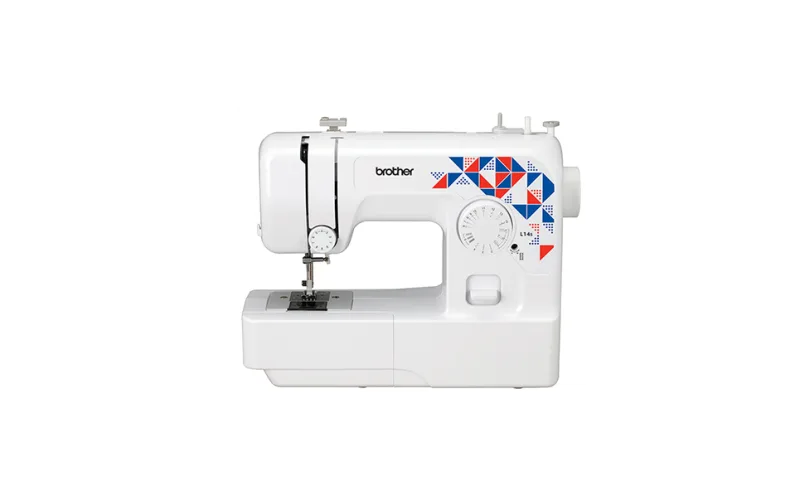
Brother LS14S
A plain 14-stitch mechanical machine with a metal chassis that owners keep recommending to first-time buyers.
Check Price on Amazon Read the full reviewOur verdict: The best sewing machine in 2026 is the Brother LS14S. It tops our ranking with 9.1 out of 10.
Fewer picks than usual: nothing cheaper than the No. 1 is a better buy.
A plain 14-stitch mechanical machine with a metal chassis that owners keep recommending to first-time buyers.
Check Price on Amazon Read the full review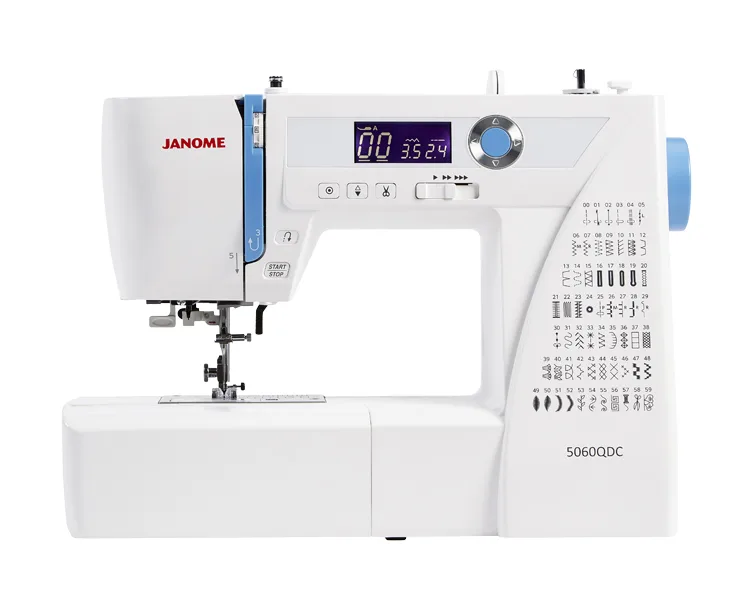
A computerised machine with 60 stitches, an LCD, an automatic thread cutter and an extension table in the box.
Check Price on Amazon Read the full reviewWe compared 28 sewing machines sold in the UK, then ranked ten of them by how happy owners are. These ten cover simple mechanical machines, computerised models with a screen, and two heavy-duty machines for thicker cloth, from the cheapest here to one with a wide extension table. Every product links to its full review below.
Brother LS14SBest Choice
9.1 out of 10
Check Price
Janome 5060QDCBest Premium
8.8 out of 10
Check Price
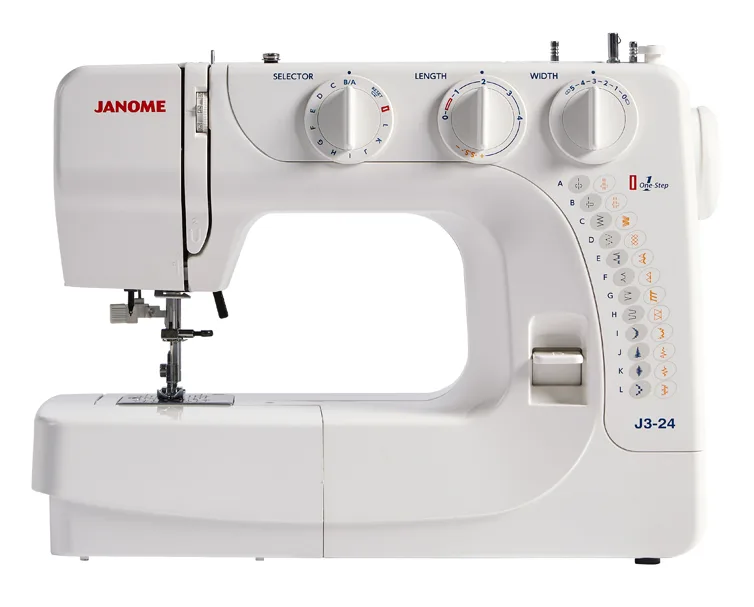 Janome J3-24
8.7 out of 10
Check Price
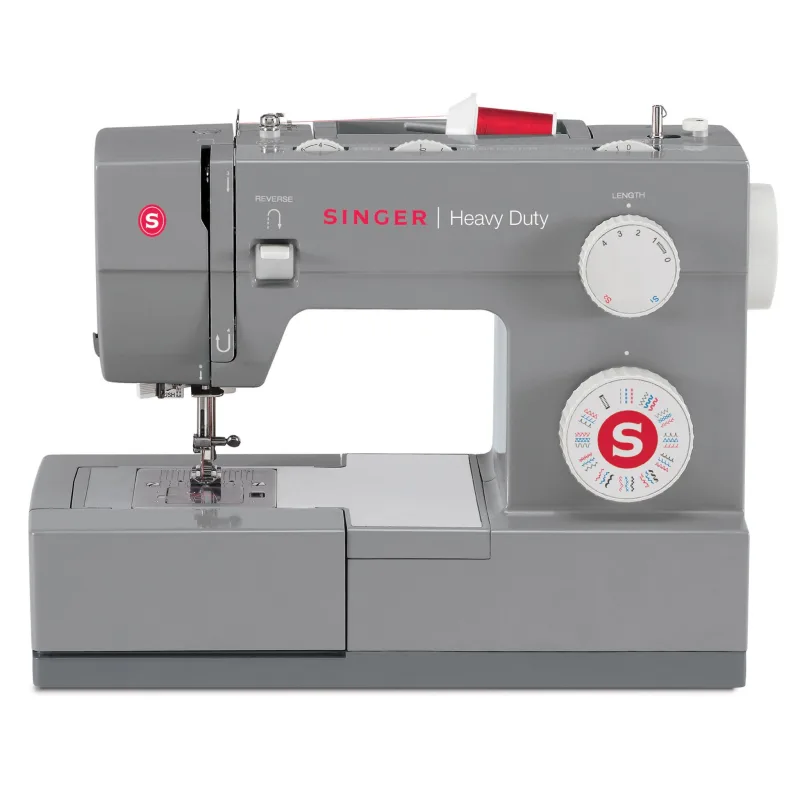 Singer Heavy Duty 4432
8.6 out of 10
Check Price
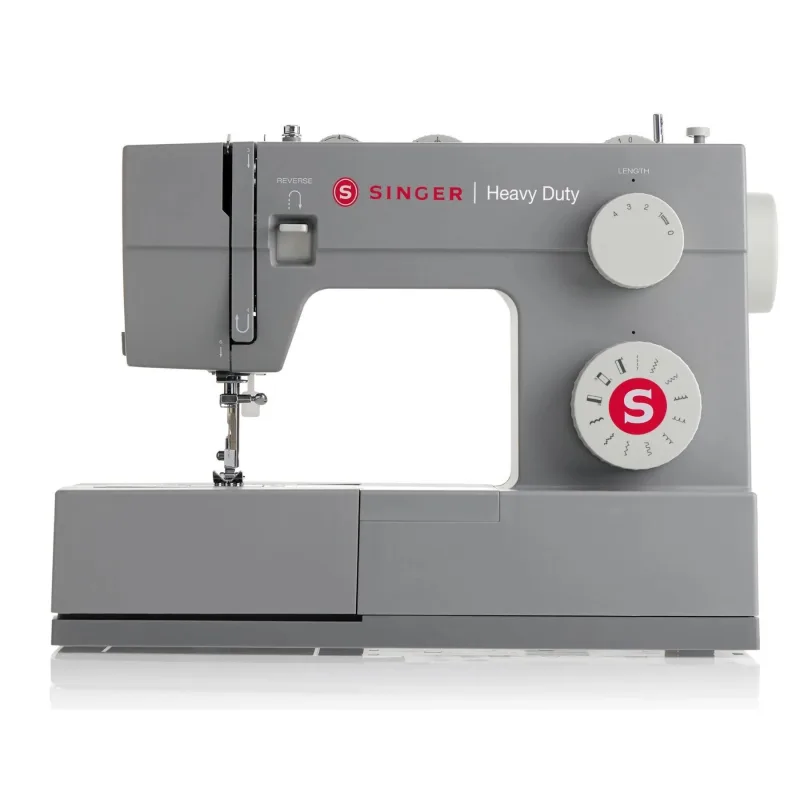 Singer Heavy Duty 4411
8.6 out of 10
Check Price
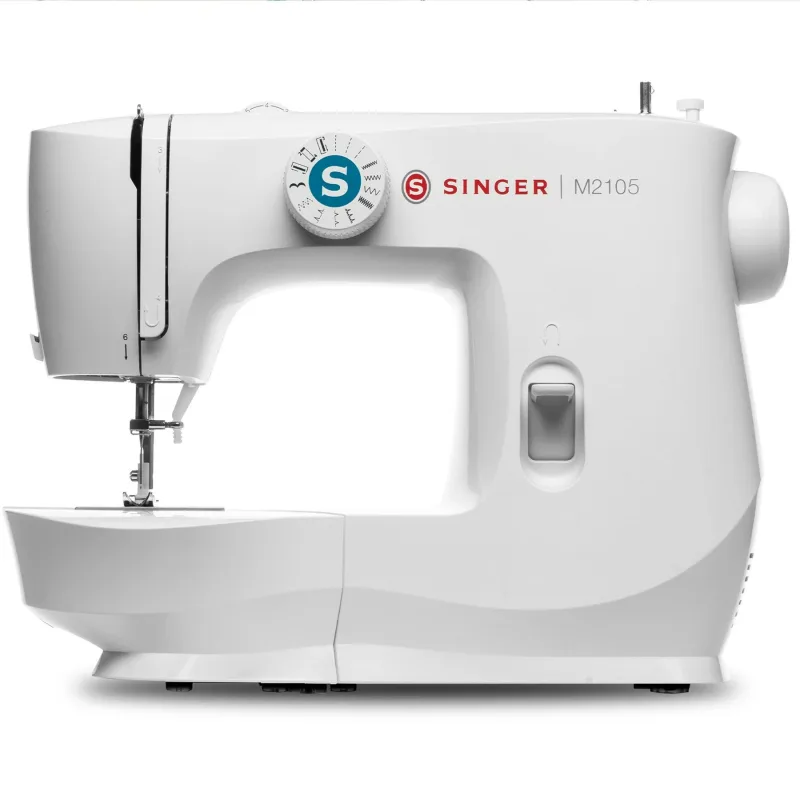 Singer M2105
8.6 out of 10
Check Price
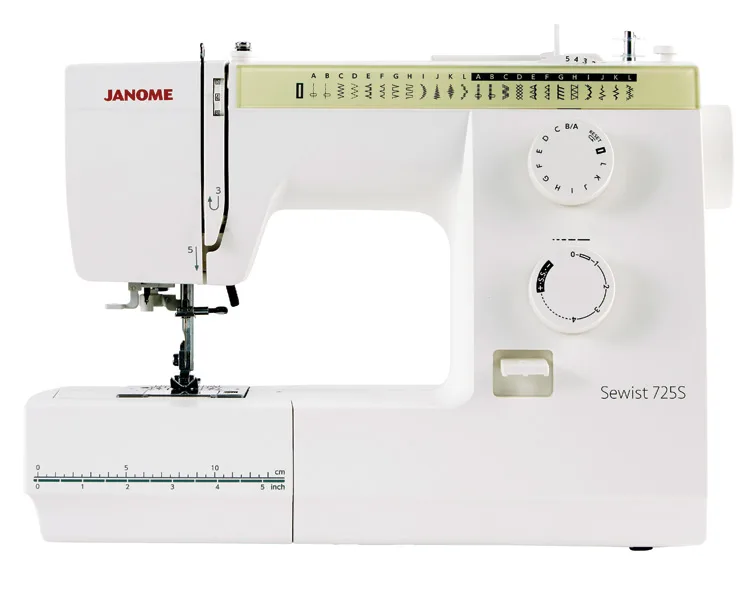 Janome Sewist 725S
8.4 out of 10
Check Price
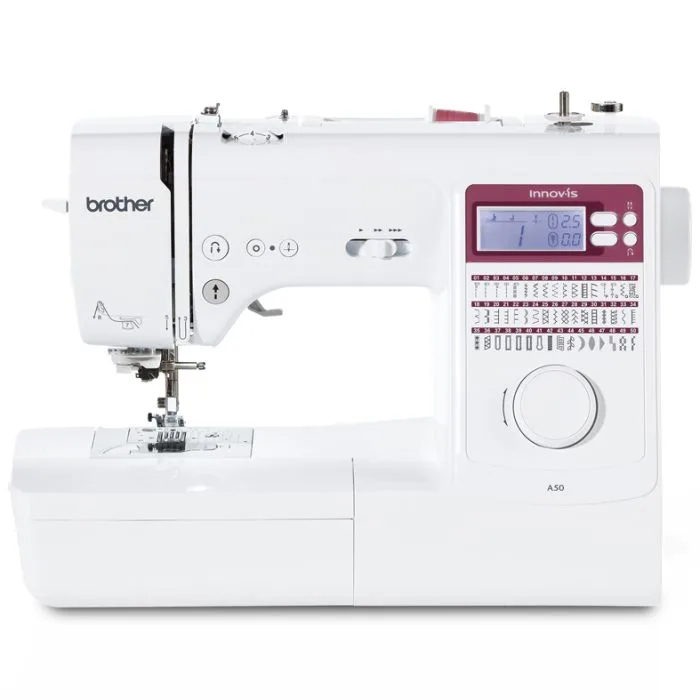 Brother Innov-is A50
8.4 out of 10
Check Price
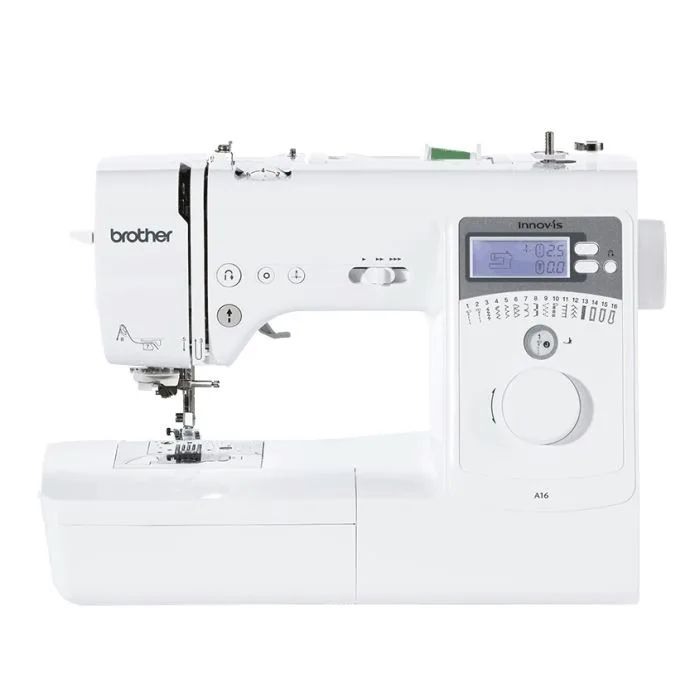 Brother Innov-is A16
8.3 out of 10
Check Price
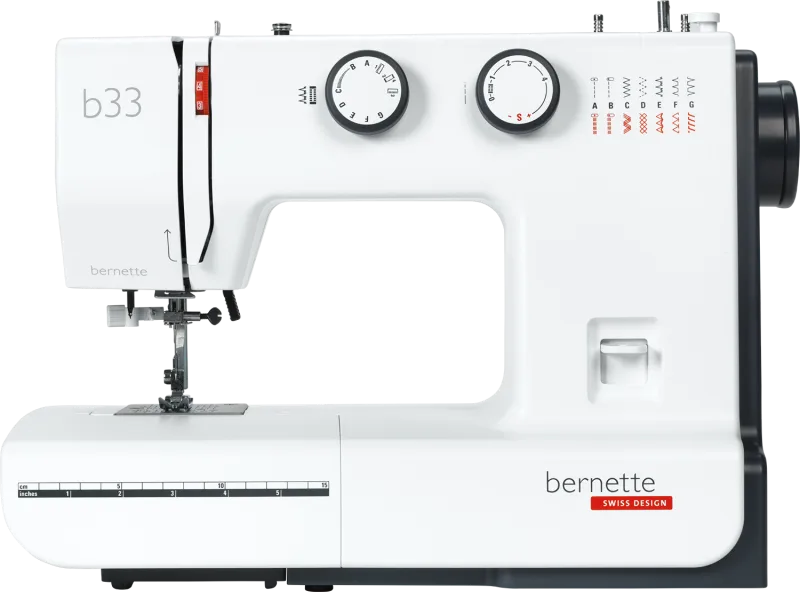 bernette b33
8.2 out of 10
Check Price
The Brother LS14S (9.1) beats the Janome 5060QDC (8.8) because it leaves owners a little happier and has been rated by more owners.
A plain 14-stitch mechanical machine with a metal chassis that owners keep recommending to first-time buyers. It does the basics well and keeps the controls to a few dials.
Each bar shows its place in this guide, so a full bar is 1st of 10. How happy owners are counts for most of the score.
A computerised machine with 60 stitches, an LCD, an automatic thread cutter and an extension table in the box. It is the one here aimed at quilting and longer projects.
Each bar shows its place in this guide, so a full bar is 1st of 10. How happy owners are counts for most of the score.
A three-dial mechanical machine with 24 stitches, a needle threader and a one-step buttonhole. Popular with schools and beginners who want something that will last beyond the first projects.
Each bar shows its place in this guide, so a full bar is 1st of 10. How happy owners are counts for most of the score.
A step above the 4411 for sewers who want heavy-duty power plus more stitches and an automatic needle threader. Singer pitches it at denim and canvas with about 50% more power.
Each bar shows its place in this guide, so a full bar is 1st of 10. How happy owners are counts for most of the score.
The budget heavy-duty choice. A metal frame, stainless steel bed plate and a fast 1,100 stitches-per-minute motor make it the practical pick for denim, canvas and curtains.
Each bar shows its place in this guide, so a full bar is 1st of 10. How happy owners are counts for most of the score.
A compact, light machine with 8 stitches and a 4-step buttonhole. A budget option for hems, curtains and simple repairs that is easy to carry.
Each bar shows its place in this guide, so a full bar is 1st of 10. How happy owners are counts for most of the score.
A mechanical machine with 25 stitches, an extra-high presser foot lift and adjustable foot pressure. A good fit for dressmakers who want dials rather than a screen, and thicker layers than most beginner models handle.
Each bar shows its place in this guide, so a full bar is 1st of 10. How happy owners are counts for most of the score.
An electronic 50-stitch machine with a speed slider, start/stop button and five one-step buttonhole styles. The most capable Brother here for someone moving past the basics.
Each bar shows its place in this guide, so a full bar is 1st of 10. How happy owners are counts for most of the score.
A step up from the entry mechanical machines, with an LCD, a jog dial and a one-action needle threader. The stitch count stays small, so it suits someone who wants easy controls rather than lots of patterns.
Each bar shows its place in this guide, so a full bar is 1st of 10. How happy owners are counts for most of the score.
A Swiss-designed mechanical machine from the Bernina group with a metal chassis and a semi-automatic needle threader. A solid, low-fuss option for beginners who want something a little different from the big three.
Each bar shows its place in this guide, so a full bar is 1st of 10. How happy owners are counts for most of the score.
Mechanical machines such as the Brother LS14S, Janome J3-24 and Singer 4411 use dials for stitch choice, length and width. They are simple, quick to learn and cheaper to repair. Computerised models such as the Janome 5060QDC and Brother Innov-is A50 add a screen or electronic controls, more stitches, a speed slider and sometimes an automatic thread cutter or stitch memory. For most beginners a mechanical machine is enough; pay for a computerised one if you want lots of stitches, quilting features or smoother speed control.
Both Brother and Singer make easy machines for beginners, so it comes down to the model. Brother usually includes a longer warranty, with three years on the LS14S and Innov-is range. Singer's heavy-duty models (the 4411 and 4432) are the stronger choice for thick fabric. Janome machines such as the J3-24 and Sewist 725S cost more, but both have a built-in needle threader and the 725S adds an extra-high presser foot lift, features that stay useful long after the beginner stage. Warranty work goes through Janome retailers rather than direct.
Far fewer than the box suggests. Straight stitch, zigzag, a stretch stitch for knits and a buttonhole cover most home sewing, and 14 to 25 stitches is plenty for dressmaking, hems and curtains. More matters only if you like decorative work or quilting. Look for a one-step buttonhole, an automatic needle threader and a drop-in bobbin: these save more frustration than extra patterns.
Choose a heavy-duty model with a metal frame, a stronger motor and a high presser foot lift: the Singer Heavy Duty 4411 and 4432 are built for denim and canvas, and run at up to 1,100 stitches per minute. Use a denim needle and sew slowly over seams. Light entry-level machines such as the Brother LS14S and Singer M2105 can sew denim but get loud and uneven on thick or layered seams.
Under about £130 buys a basic mechanical machine with 8 to 14 stitches. About £200 to £350 adds more stitches, a needle threader, a hard cover and a heavier frame, as on the J3-24 or Singer 4432. Past about £400 you are paying for a screen, an automatic thread cutter, an extension table or a larger workspace. Check the warranty too: Brother gives three years on its home models, Janome two through its retailers. Make sure a UK-spec 230V machine is on the listing.
No. Handheld and mini machines make a simple chain stitch with a weak motor and usually cannot handle more than a couple of layers of thin fabric. They work for a quick tacked hem or a button, not for dressmaking or curtains. A full-size machine with a foot control and a proper bobbin system gives straighter, stronger seams for roughly the cost of a good pair of shoes.
Every score here comes from our ranking model; no editor sets the order. We haven't read the review sites for this guide yet, so for now it is led by owners. It ranks products by how happy owners are, holding back any product few owners have rated until more agree. How many rated it and how new it is only settle close calls, and value for money earns its own badge rather than a higher place. We compared 28 models for this guide before settling on these ten.
Brands can't pay to be included or to move up. We last checked these picks in November 2026.
How we rank, in fullA plain 14-stitch mechanical machine with a metal chassis that owners keep recommending to first-time buyers. 9.1 out of 10.