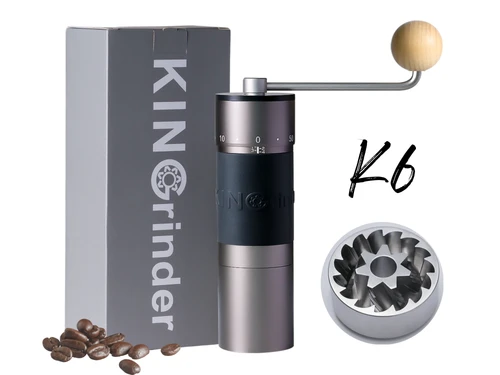
KINGrinder K6
A well-rated hand grinder with 48mm burrs and fine external adjustment.
Check Price on Amazon Read the full reviewOur verdict: The best coffee grinder in 2026 is the KINGrinder K6. It tops our ranking with 8.9 out of 10.
A well-rated hand grinder with 48mm burrs and fine external adjustment.
Check Price on Amazon Read the full review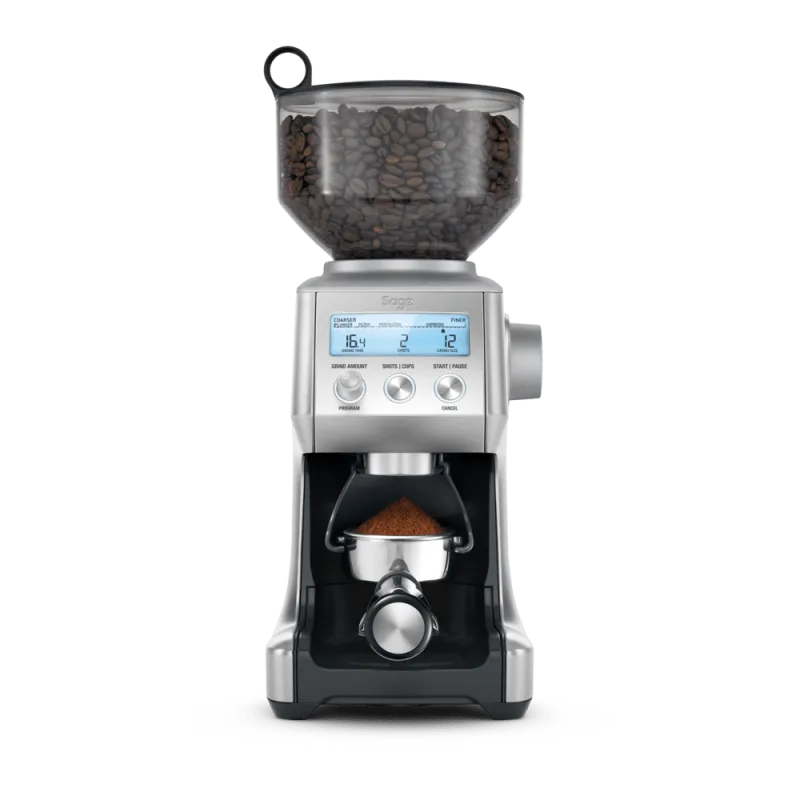
A popular first espresso grinder in the UK.
Check Price on Amazon Read the full reviewThe budget hand grinder for travel and filter coffee.
Check Price on Amazon Read the full review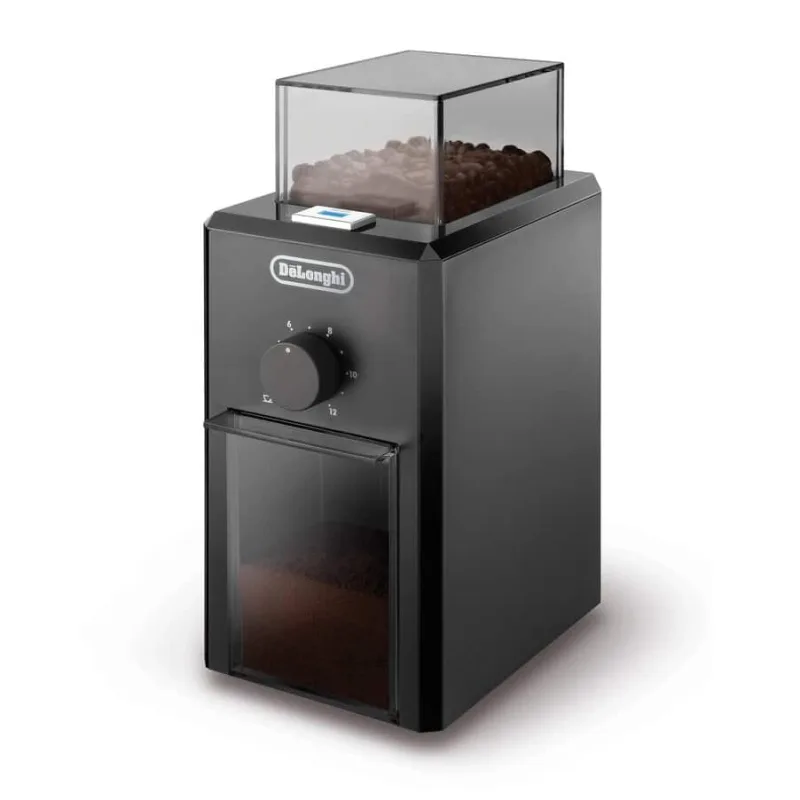
We compared 17 coffee grinders sold in the UK, then ranked ten of them by how happy owners are. These ten cover seven electric burr grinders and three hand grinders, from a budget machine for filter and cafetière to an Italian flat-burr grinder for espresso. Every product links to its full review below.
KINGrinder K6Best Choice
8.9 out of 10
Check Price
Sage Smart Grinder Pro BCG820Best Premium
8.8 out of 10
Check Price
 Baratza Encore ZCG485
8.8 out of 10
Check Price
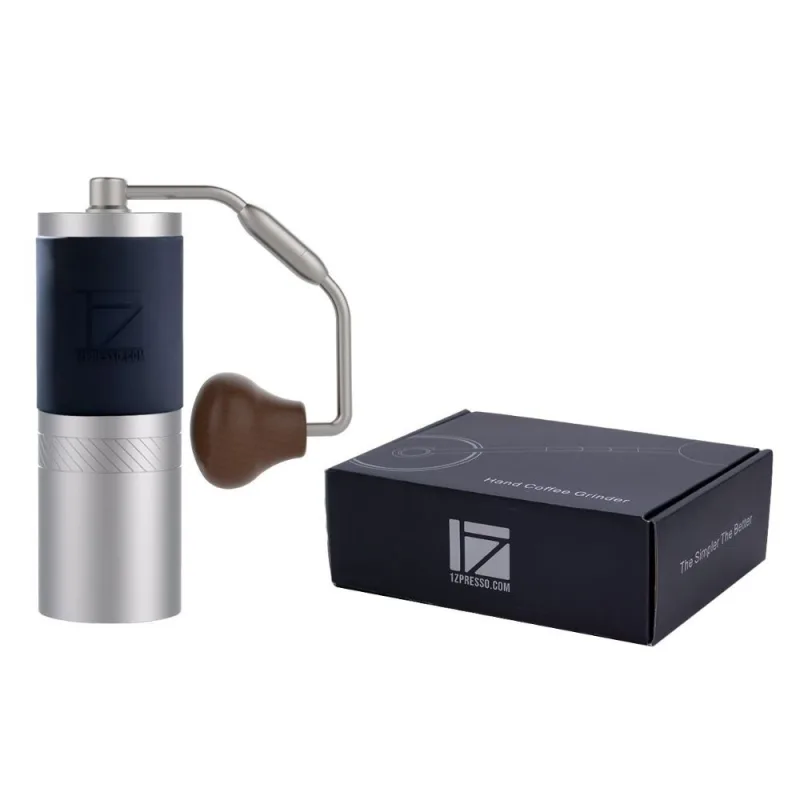 1Zpresso JX
8.7 out of 10
Check Price
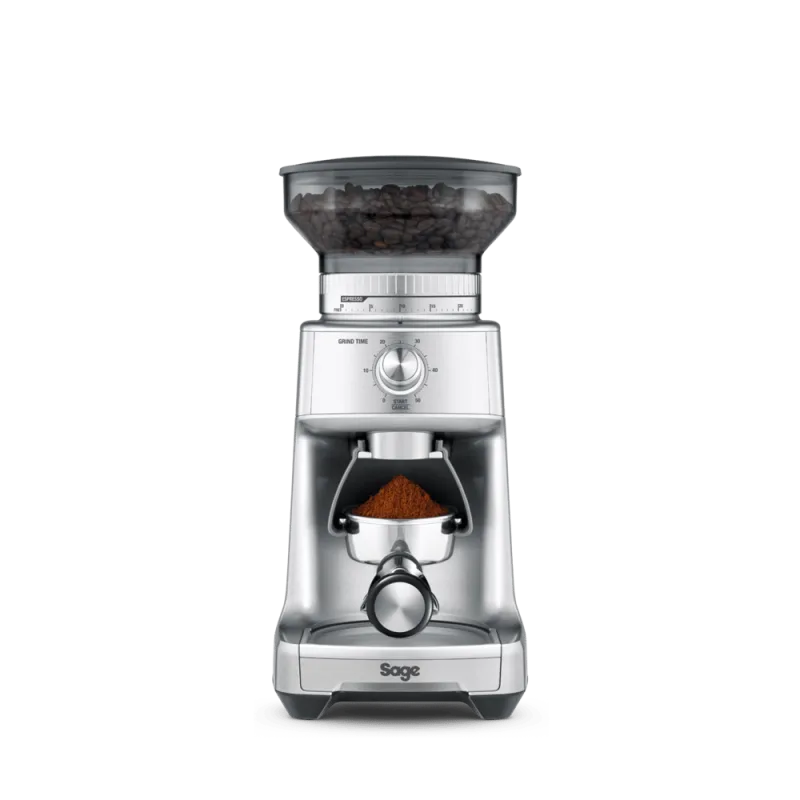 Sage Dose Control Pro BCG600
8.7 out of 10
Check Price
De'Longhi KG79Best Budget
8.7 out of 10
Check Price
 Eureka Mignon Specialita
8.4 out of 10
Check Price
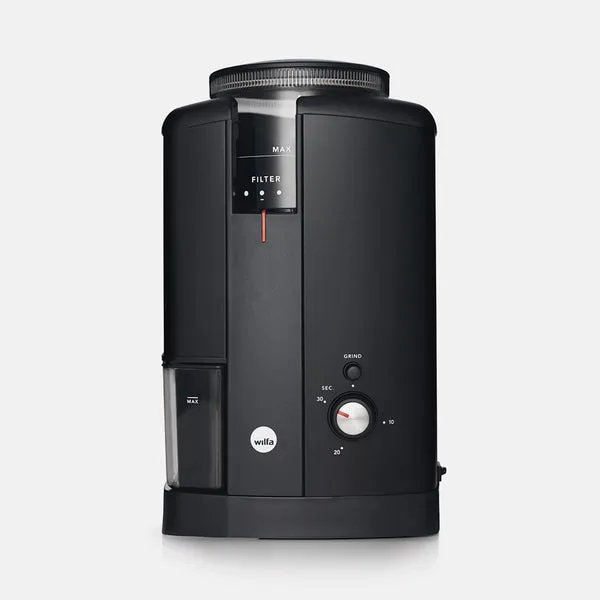 Wilfa Svart Aroma CGWS-130B
8.3 out of 10
Check Price
The KINGrinder K6 (8.9) beats the Sage Smart Grinder Pro BCG820 (8.8): owners are about as happy with both, and it is the newer design.
A well-rated hand grinder with 48mm burrs and fine external adjustment. It covers espresso to cafetière for much less than the premium hand grinders.
Each bar shows its place in this guide, so a full bar is 1st of 10. How happy owners are counts for most of the score.
A popular first espresso grinder in the UK. Conical burrs, 60 settings and a timed dose that grinds straight into a portafilter.
Each bar shows its place in this guide, so a full bar is 1st of 10. How happy owners are counts for most of the score.
An all-round electric conical burr grinder with 41 settings. It covers espresso through to cold brew and has a compact, design-led body.
Each bar shows its place in this guide, so a full bar is 1st of 10. How happy owners are counts for most of the score.
The long-running filter and cafetière grinder. Simple to repair, with a narrow body and a catch bin that suits brewed coffee.
Each bar shows its place in this guide, so a full bar is 1st of 10. How happy owners are counts for most of the score.
The budget hand grinder for travel and filter coffee. A 38mm steel burr and a folding handle in a compact metal body.
Each bar shows its place in this guide, so a full bar is 1st of 10. How happy owners are counts for most of the score.
A hand grinder fine enough for espresso. A 48mm conical burr grinds fast, and owners report even results from fine to coarse.
Each bar shows its place in this guide, so a full bar is 1st of 10. How happy owners are counts for most of the score.
A simpler Sage with one-second timer steps and the same cradle-in-the-box approach. It suits someone who wants a timed espresso dose without the extra screen features.
Each bar shows its place in this guide, so a full bar is 1st of 10. How happy owners are counts for most of the score.
The cheapest electric burr grinder here. Fine for cafetière and drip, and a clear step up from a blade grinder.
Each bar shows its place in this guide, so a full bar is 1st of 10. How happy owners are counts for most of the score.
The premium choice for home espresso. 55mm flat burrs, stepless adjustment and a timed dose in a compact Italian-made body.
Each bar shows its place in this guide, so a full bar is 1st of 10. How happy owners are counts for most of the score.
A filter-coffee grinder with a slow, strong motor, a stainless steel conical burr and a built-in timer, aimed at filter and cafetière grinds.
Each bar shows its place in this guide, so a full bar is 1st of 10. How happy owners are counts for most of the score.
Burr. A burr grinder crushes beans between two fixed surfaces set a known distance apart, so the particles come out close to one size. A blade grinder chops at random, giving a mix of dust and boulders that over-extracts and under-extracts in the same cup. Blade grinders are cheap and fine for occasional cafetière coffee, but every grinder here is a burr model. Conical burrs are quieter and cope with oily beans; flat burrs tend to give a more uniform particle size and cost more.
Yes, because pre-ground coffee is rarely fine or fresh enough, and espresso punishes small errors. Look for fine, precise adjustment: either stepless adjustment or a lot of small steps, plus ideally a timed dose or portafilter holder. Burr size matters too, with 38mm at the small end for hand grinders and 55mm or more for flat-burr electrics. Among the electrics here, the Eureka Mignon Specialita and the Sage pair are the espresso-minded ones, and the Fellow Opus can reach espresso settings with stepped adjustment. The Baratza Encore, Wilfa and De'Longhi suit filter and cafetière.
It depends on the brew method. A good hand grinder such as the 1Zpresso JX or KINGrinder K6 matches electric grinders costing more, and costs nothing to run, fits in a bag and makes no noise. The price is effort: a 20g filter dose takes under a minute, but espresso can take two minutes of cranking. An electric grinder is faster, doses automatically and is easier on wrists, but takes counter space and needs a UK three-pin socket. For one or two cups a day a hand grinder is enough. For a household or espresso every morning, buy electric.
As a rough guide, a budget price buys a basic electric burr grinder or a travel hand grinder that is fine for cafetière and drip. The middle range buys a Baratza, Fellow or Sage electric grinder with proper adjustment, or a high-end hand grinder. Eureka's flat-burr models sit at the top. Spend more on the grinder than the coffee maker if you can, because the grind sets the ceiling on the cup. Replacement burrs and parts are cheap for Baratza and 1Zpresso, so check spares and the warranty length before you commit.
Cafetière wants coarse, about the size of sea salt. Filter and pour-over want medium, like sand, and an AeroPress sits between medium and fine depending on steep time. A moka pot needs medium-fine, finer than filter but coarser than espresso, and it should not be packed down. Espresso wants fine, and stepless or very small steps help you find it. The same setting on two grinders will give different results, so start in the middle and adjust one step at a time.
Only if you change beans often or drink little. A single dose grinder takes a weighed dose, so beans never sit in a hopper going stale, but retention (grounds left in the burrs) and waste matter more. The grinders here are all hopper-fed or hand-cranked. A hand grinder is single dose by nature and loses almost nothing. If you buy a hopper model, keep the hopper nearly empty and buy small bags of fresh beans to get close to the same freshness.
Every score here comes from our ranking model; no editor sets the order. We haven't read the review sites for this guide yet, so for now it is led by owners. It ranks products by how happy owners are, holding back any product few owners have rated until more agree. How many rated it and how new it is only settle close calls, and value for money earns its own badge rather than a higher place. We compared 17 models for this guide before settling on these ten.
Brands can't pay to be included or to move up. We last checked these picks in November 2026.
How we rank, in fullA well-rated hand grinder with 48mm burrs and fine external adjustment. 8.9 out of 10.