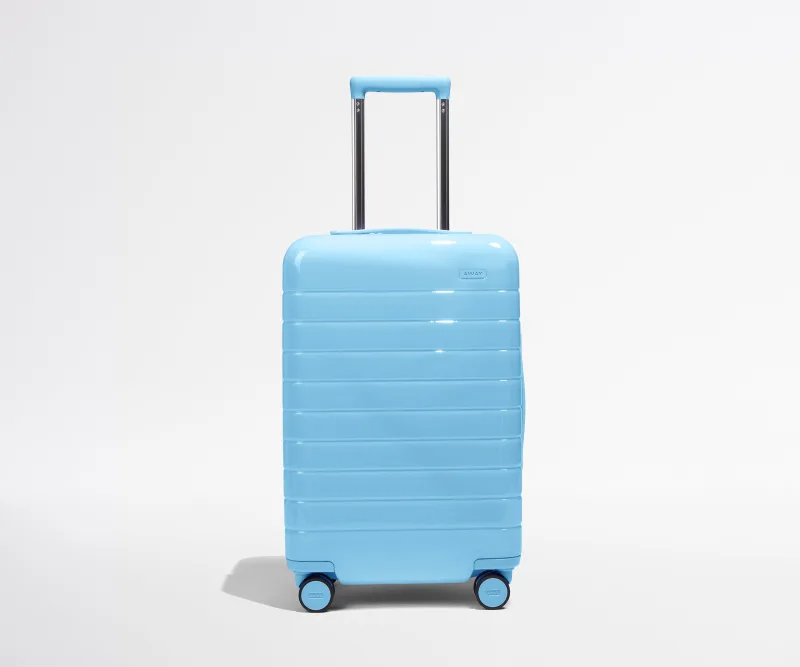
Away The Carry-On
The direct-to-consumer name most shoppers know, with a polycarbonate shell and an interior compression pad.
Check Price on Amazon Read the full reviewOur verdict: The best carry-on luggage in 2026 is the Away The Carry-On. It tops our ranking with 9.2 out of 10.
The direct-to-consumer name most shoppers know, with a polycarbonate shell and an interior compression pad.
Check Price on Amazon Read the full reviewA heavier, more organized softside with the features frequent flyers use: a removable wet pocket, a suiter and a power bank pocket.
Check Price on Amazon Read the full review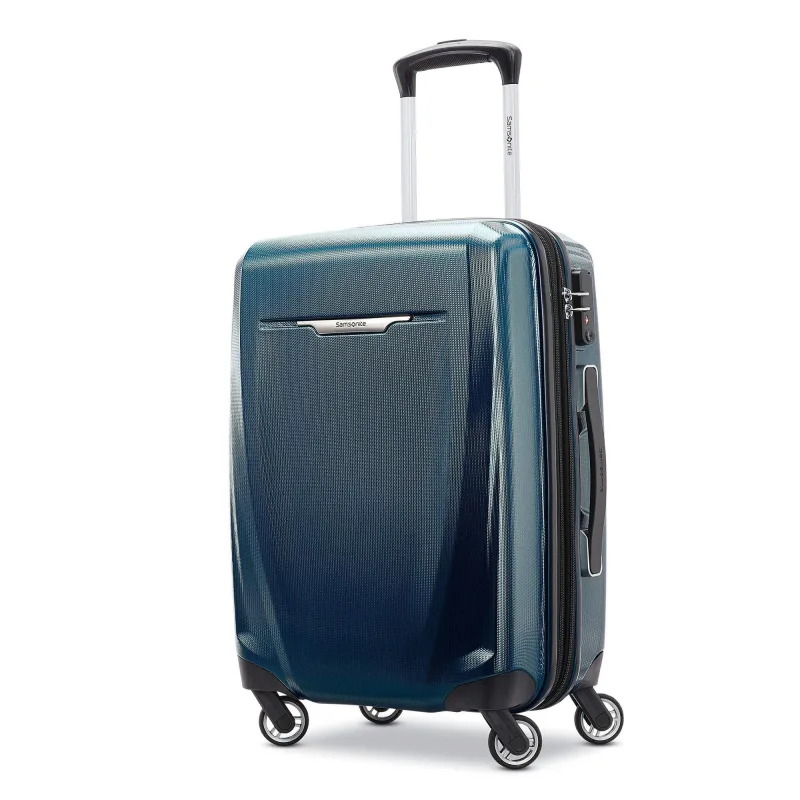
A polycarbonate hardside with a divided interior and a lock built into the shell.
Check Price on Amazon Read the full review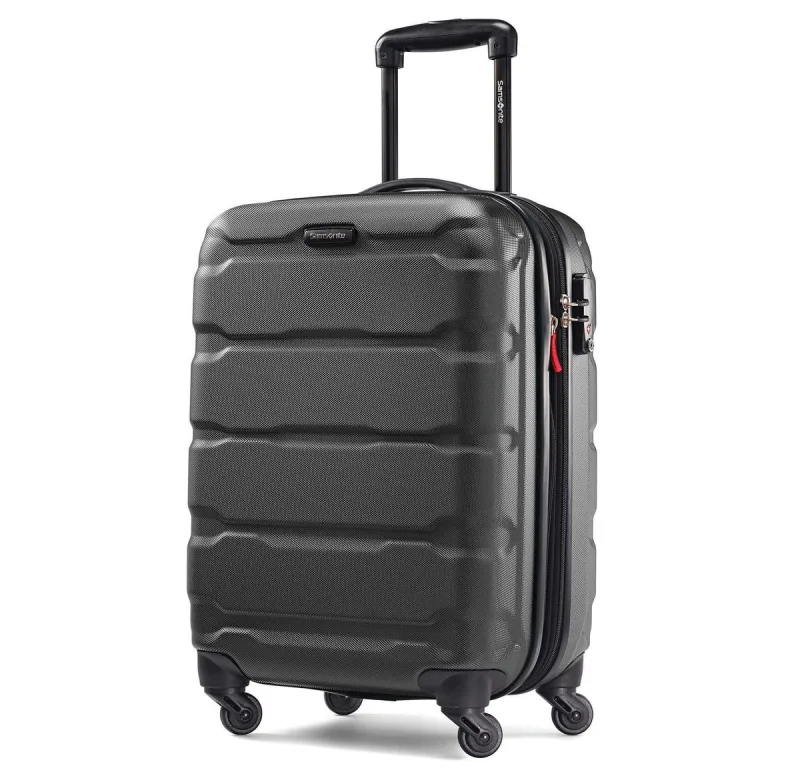
A long-running polycarbonate hardside with a micro-diamond texture that hides scuffs.
Check Price on AmazonWe compared 15 carry-on suitcases sold in the US and ranked ten by owner ratings. They cover hardside polycarbonate and polypropylene spinners and softside nylon and polyester bags, from 20 to 23 inches, from the cheapest here to the priciest. Every product links to its full review below.
Away The Carry-OnBest Choice
9.2 out of 10
Check Price
Samsonite Winfield 3 DLX Hardside Expandable Carry-On Spinner 20-InchValue for Money
8.9 out of 10
Check Price
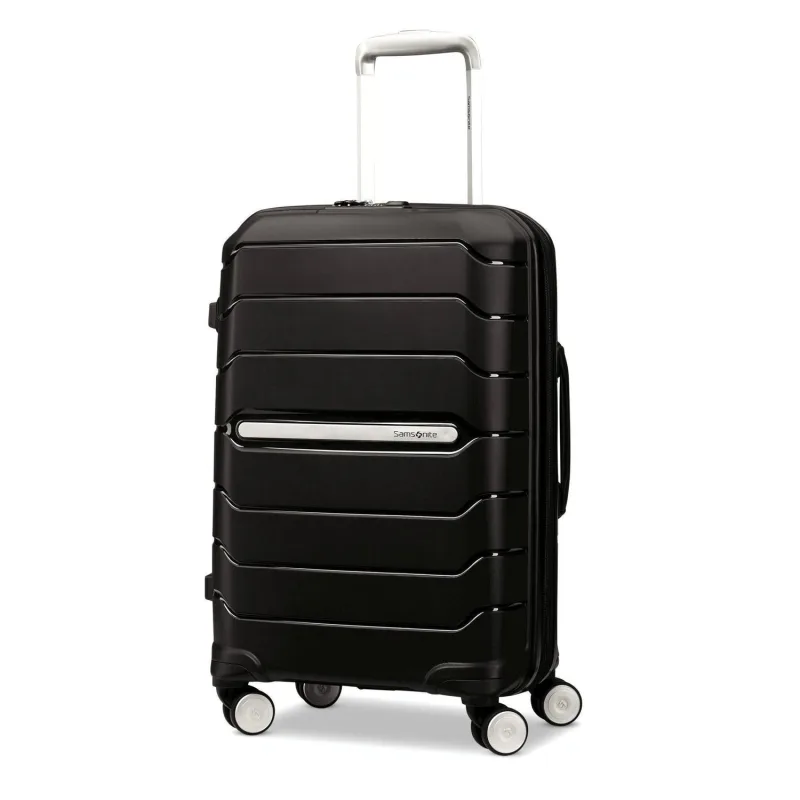 Samsonite Freeform Carry-On Spinner
8.9 out of 10
Check Price
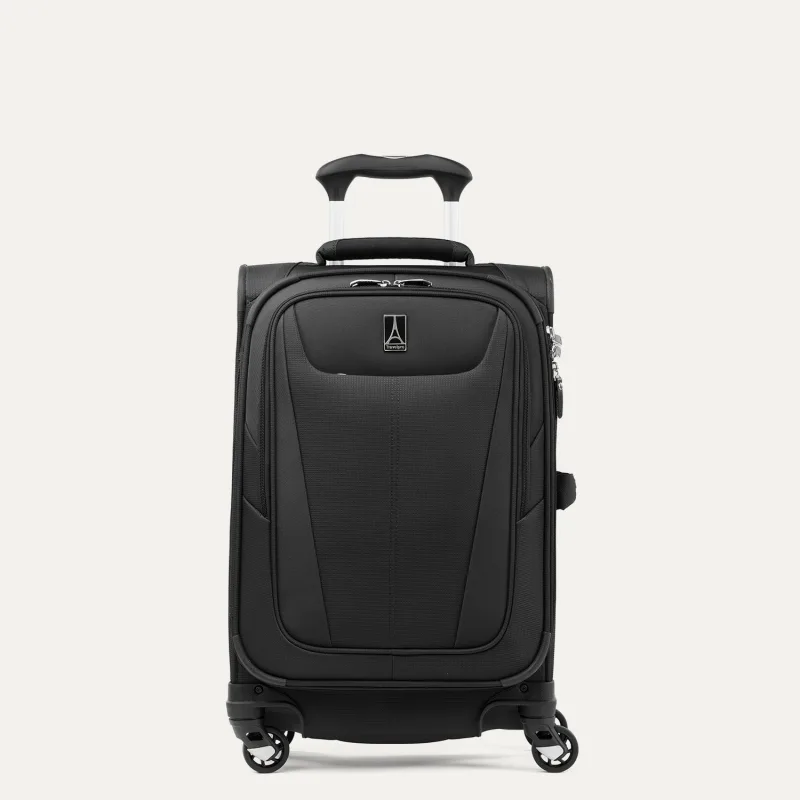 Travelpro Maxlite 5 Carry-On Spinner
8.9 out of 10
Check Price
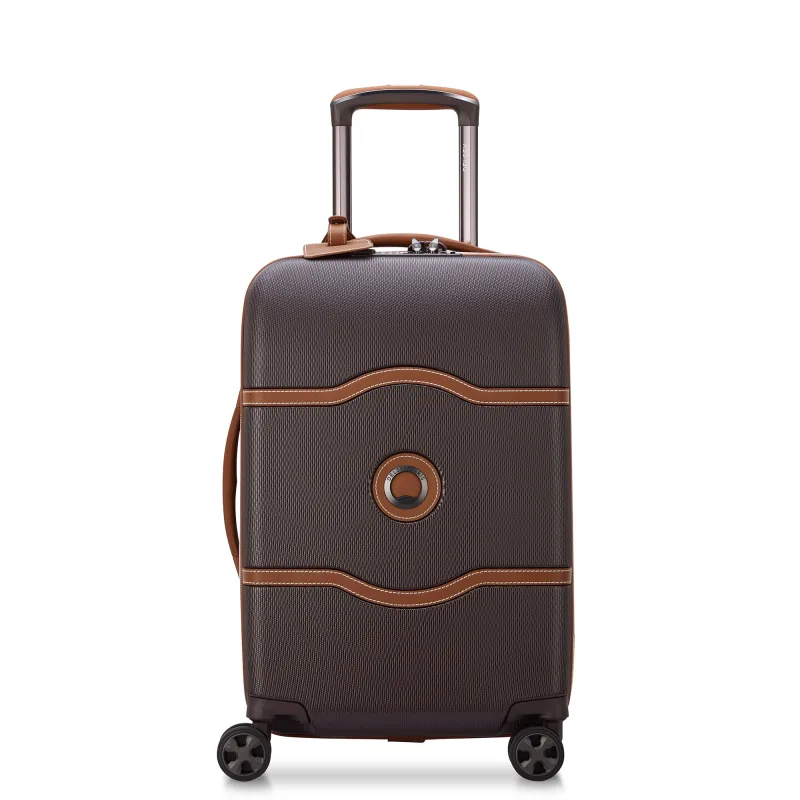 DELSEY Paris Chatelet Air 2.0 22-Inch Carry-On Suitcase
8.8 out of 10
Check Price
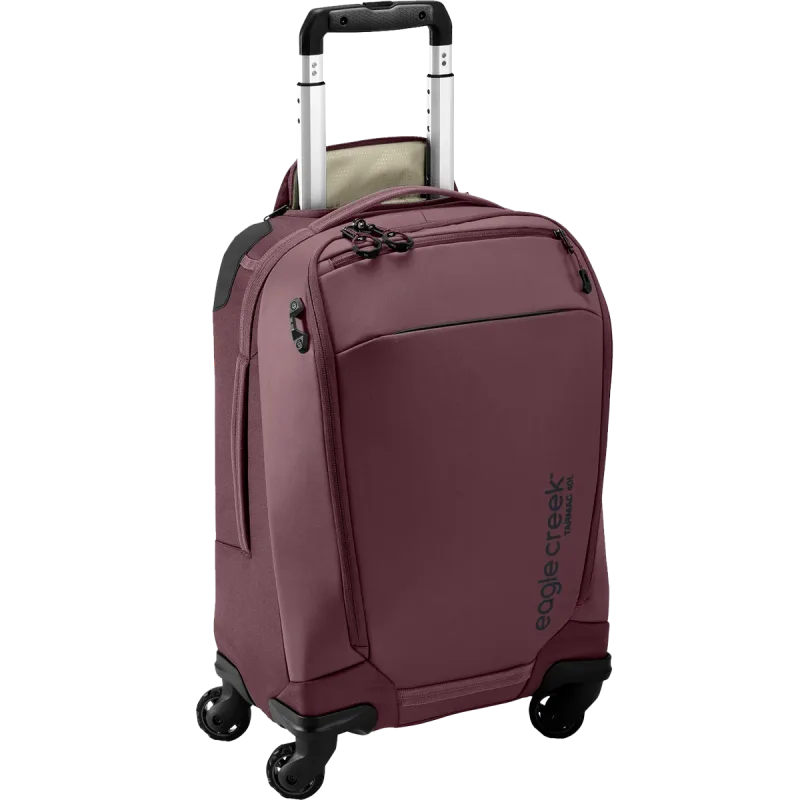 Eagle Creek Tarmac XE 4-Wheel Carry-On
8.8 out of 10
Check Price
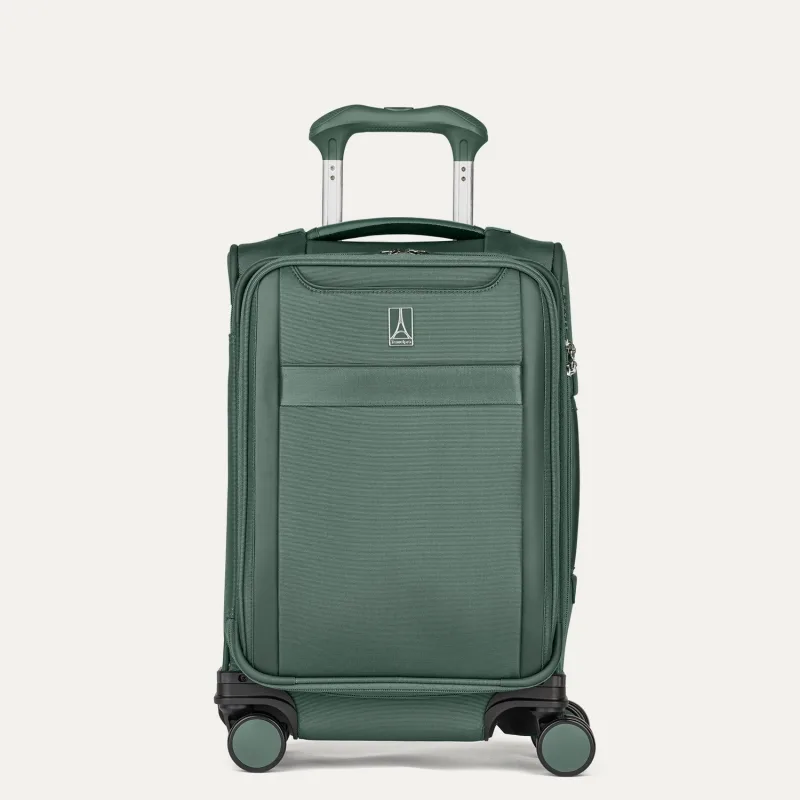 Travelpro Crew VersaPack Global Carry-On Expandable Spinner
8.8 out of 10
Check Price
Samsonite Omni PC Hardside Expandable Luggage with Spinner Wheels, Carry-On 20-InchBest Budget
8.7 out of 10
Check Price
The Away The Carry-On (9.2) beats the Travelpro Platinum Elite 21-Inch Softside Expandable Carry-On Spinner (9.0): owners are about as happy with both, and it is the newer design.
The direct-to-consumer name most shoppers know, with a polycarbonate shell and an interior compression pad. It stays within the common 22-inch height limit with wheels included.
Each bar shows its place in this guide, so a full bar is 1st of 10. How happy owners are counts for most of the score.
A heavier, more organized softside with the features frequent flyers use: a removable wet pocket, a suiter and a power bank pocket. It suits business trips over weekend ones.
Each bar shows its place in this guide, so a full bar is 1st of 10. How happy owners are counts for most of the score.
A polycarbonate hardside with a divided interior and a lock built into the shell. It sits in the value range with a sturdier feel than the cheapest bags.
Each bar shows its place in this guide, so a full bar is 1st of 10. How happy owners are counts for most of the score.
A polypropylene-and-polycarbonate shell at about 6.5 pounds, one of the lighter hardside bags here. It is a common value pick for people who want a name brand without a premium cost.
Each bar shows its place in this guide, so a full bar is 1st of 10. How happy owners are counts for most of the score.
The lightweight softside pick at 5.4 pounds. It gives up the hard shell's protection for low weight and a front pocket.
Each bar shows its place in this guide, so a full bar is 1st of 10. How happy owners are counts for most of the score.
The cheapest here, with an expandable hardside shell and spinner wheels. It does the basic job and shows its price in the handle and the wheels.
Each bar shows its place in this guide, so a full bar is 1st of 10. How happy owners are counts for most of the score.
A polycarbonate hardside with a break-resistant zipper and a USB port. It is one of the more design-forward options in the mid-premium range.
Each bar shows its place in this guide, so a full bar is 1st of 10. How happy owners are counts for most of the score.
A softside carry-on in recycled, weather-resistant fabric with an outside pocket and a padded laptop compartment. It suits people who want easy access to a work bag and a rugged build.
Each bar shows its place in this guide, so a full bar is 1st of 10. How happy owners are counts for most of the score.
A softside built around interchangeable zip-in organizers. It is sized as a global carry-on, so it suits stricter airlines.
Each bar shows its place in this guide, so a full bar is 1st of 10. How happy owners are counts for most of the score.
A long-running polycarbonate hardside with a micro-diamond texture that hides scuffs. It is a budget price for the material, with the usual trade-offs on size.
Each bar shows its place in this guide, so a full bar is 1st of 10. How happy owners are counts for most of the score.
Most big US airlines allow 22 x 14 x 9 inches, counting wheels and handles. Basic economy fares, regional jets and some international carriers are stricter, and many cap weight at 15 to 22 pounds. Check your airline before you buy, and measure with the bag expanded if you plan to use the expansion zipper.
Hardside shells (polycarbonate, ABS or polypropylene) protect fragile items and resist rain, but they scuff and can crack at the corners. Softside bags (ballistic nylon or polyester) usually weigh less, squeeze into a bin more easily and have outside pockets. Choose hardside for protection and softside for weight and flexibility.
Four-wheel spinners glide beside you or roll upright through an aisle, and the best of them are smooth. Two-wheel inline bags hold up better on rough pavement and are less likely to roll away in a bin. Wheels are the part owners most often report failing, so look for wheel housings that are replaceable under the warranty.
Tumi is the premium brand, and it costs much more than Samsonite. Samsonite's Freeform and Omni PC lines are far cheaper and carry a 10-year limited warranty, while Tumi's carry-ons typically come with a shorter warranty of around five years. For occasional flyers Samsonite is the better value, while frequent business travelers may prefer Tumi's build.
For frequent flyers, yes, if the extra money buys a longer warranty, replaceable wheels and a sturdier handle. Occasional flyers do fine with a budget bag. A checked bag typically costs around $35 to $40 each way on major US airlines, so a carry-on that avoids it pays for itself in a few trips.
Spare lithium batteries and power banks must travel in the cabin, so a bag with a built-in battery has to let you remove it at the gate or counter. Bags with a removable battery, or only a pocket for your own power bank, avoid that problem. Check your airline's current rules.
Every score here comes from our ranking model; no editor sets the order. We haven't read the review sites for this guide yet, so for now it is led by owners. It ranks products by how happy owners are, holding back any product few owners have rated until more agree. How many rated it and how new it is only settle close calls, and value for money earns its own badge rather than a higher place. We compared 15 models for this guide before settling on these ten.
Brands can't pay to be included or to move up. We last checked these picks in November 2026.
How we rank, in fullThe direct-to-consumer name most shoppers know, with a polycarbonate shell and an interior compression pad. 9.2 out of 10.