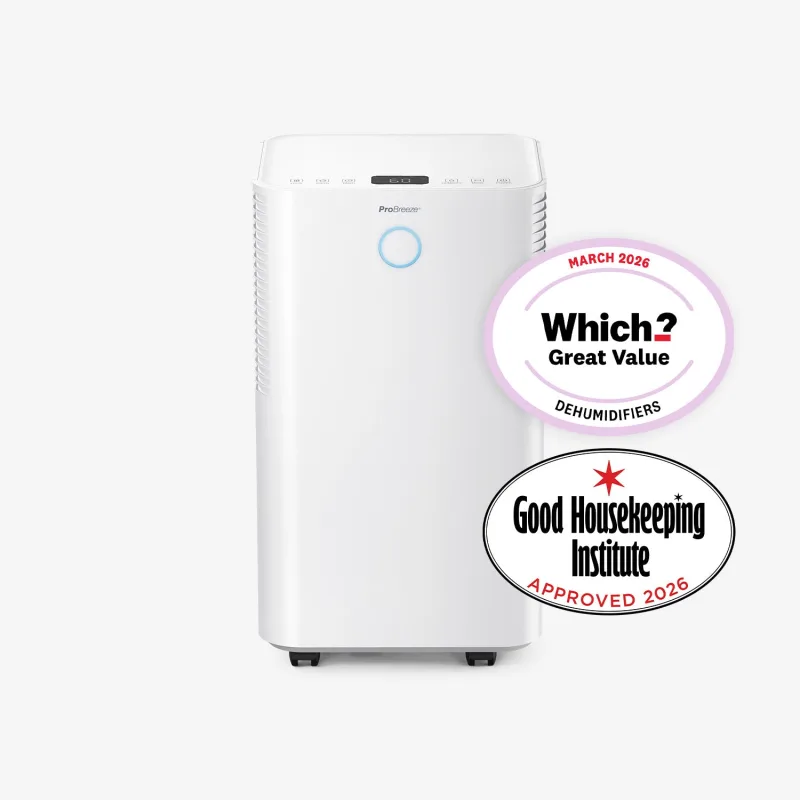
Pro Breeze OmniDry 12L Quiet Low Energy Dehumidifier
The sensible small-home buy.
Check Price on AmazonOur verdict: The best dehumidifier in 2026 is the Pro Breeze OmniDry 12L Quiet Low Energy Dehumidifier. It tops our ranking with 9.2 out of 10.
The sensible small-home buy.
Check Price on Amazon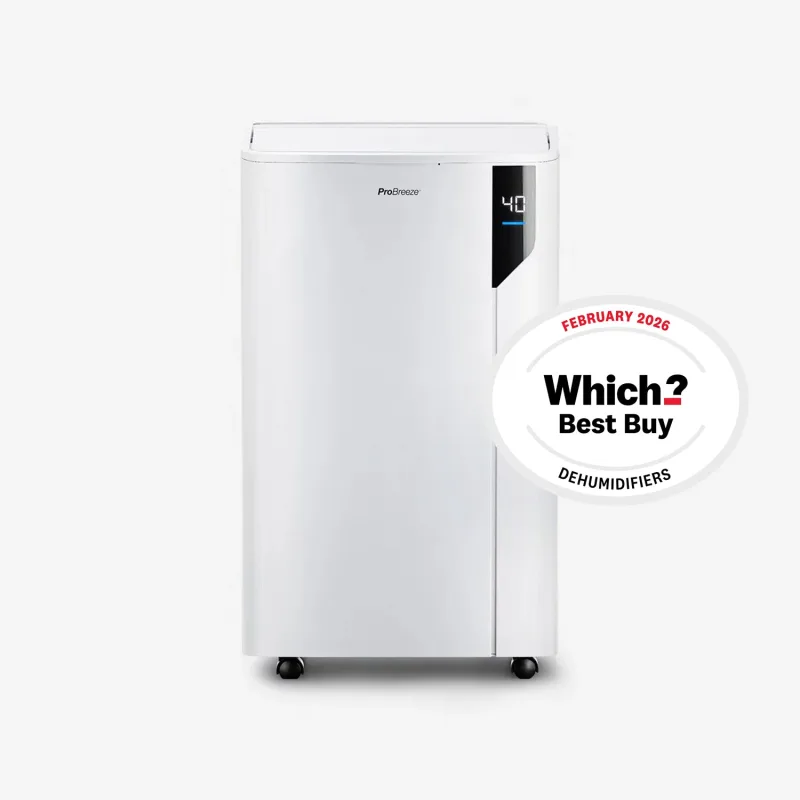
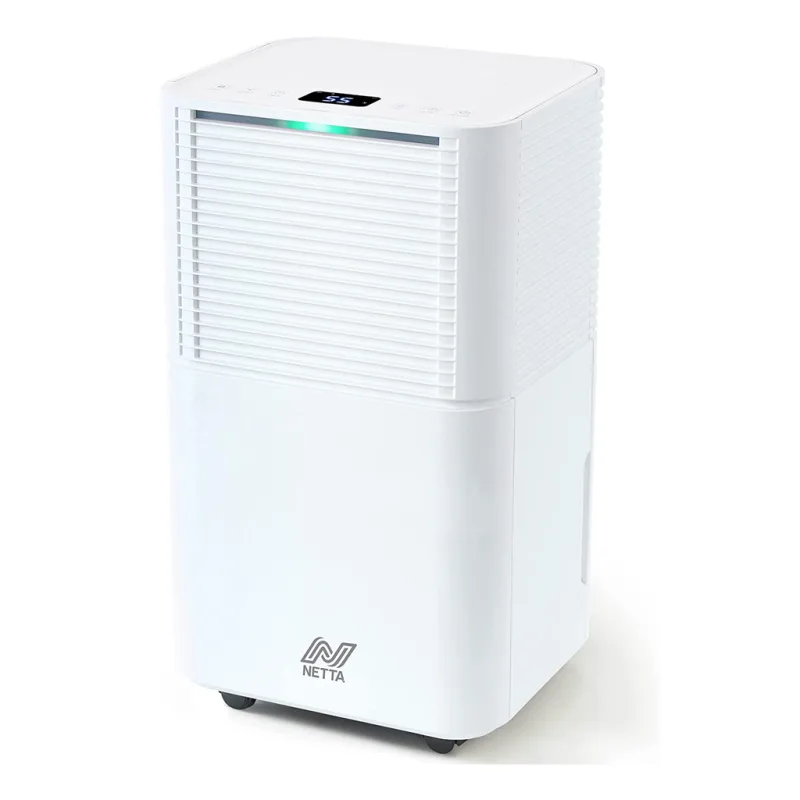
The budget compressor that owners keep recommending.
Check Price on Amazon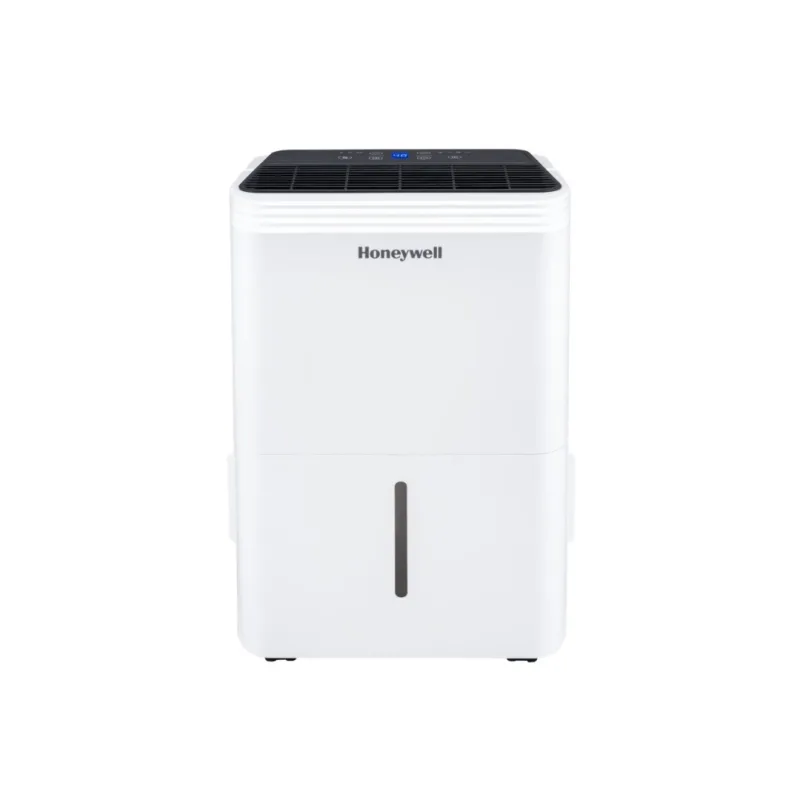
A 12L compressor with a digital display and a clothes-drying mode.
Check Price on AmazonRanked by our score out of 10. Every product links to its full review below.
Pro Breeze OmniDry 12L Quiet Low Energy DehumidifierBest Choice
9.2 out of 10
Check Price
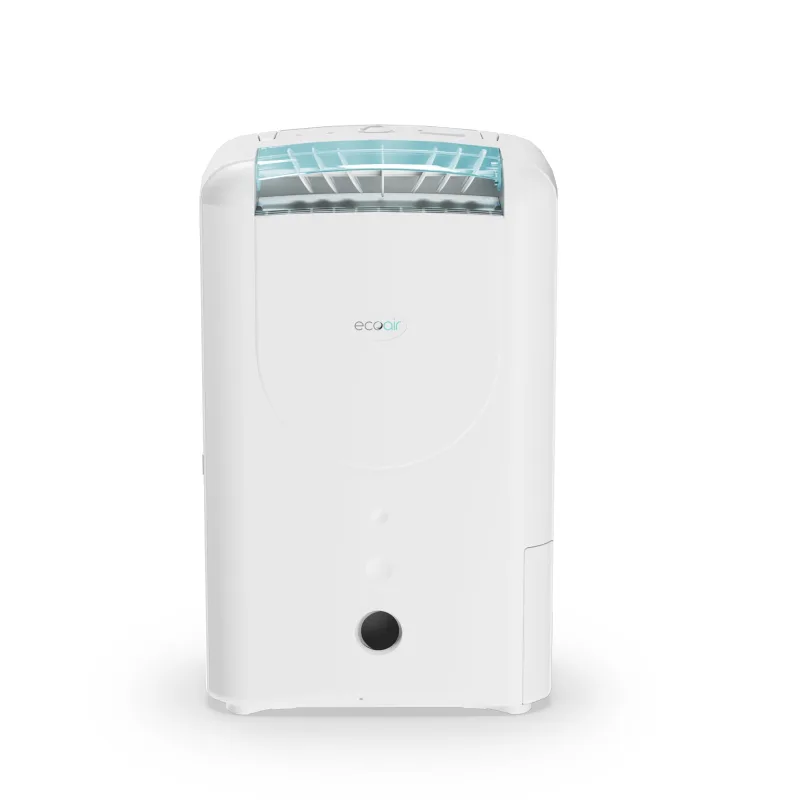 EcoAir DD1 Simple MK3
8.9 out of 10
Check Price
Pro Breeze 20L Premium Dehumidifier with Laundry ModeBest Premium
8.8 out of 10
Check Price
NETTA 12L Low Energy Dehumidifier 200WValue for Money
8.7 out of 10
Check Price
Honeywell TPFIT 12L DehumidifierBest Budget
8.6 out of 10
Check Price
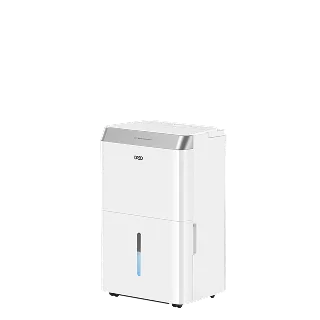 Dreo Smart Dehumidifier 512S
8.4 out of 10
Check Price
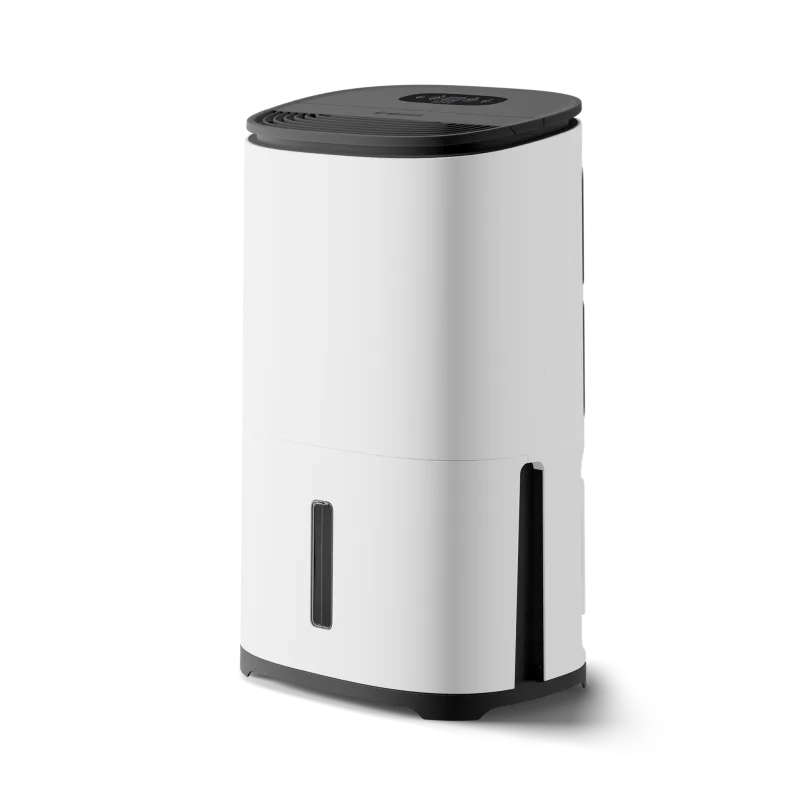 Meaco MeacoDry Arete One 20L
8.3 out of 10
Check Price
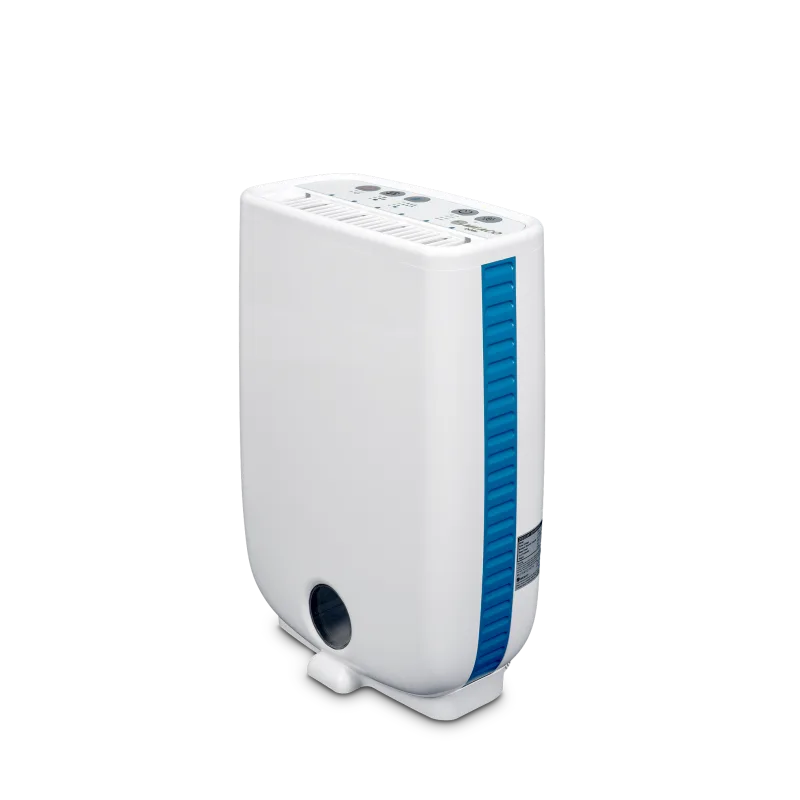 Meaco DD8L Junior
8.0 out of 10
Check Price
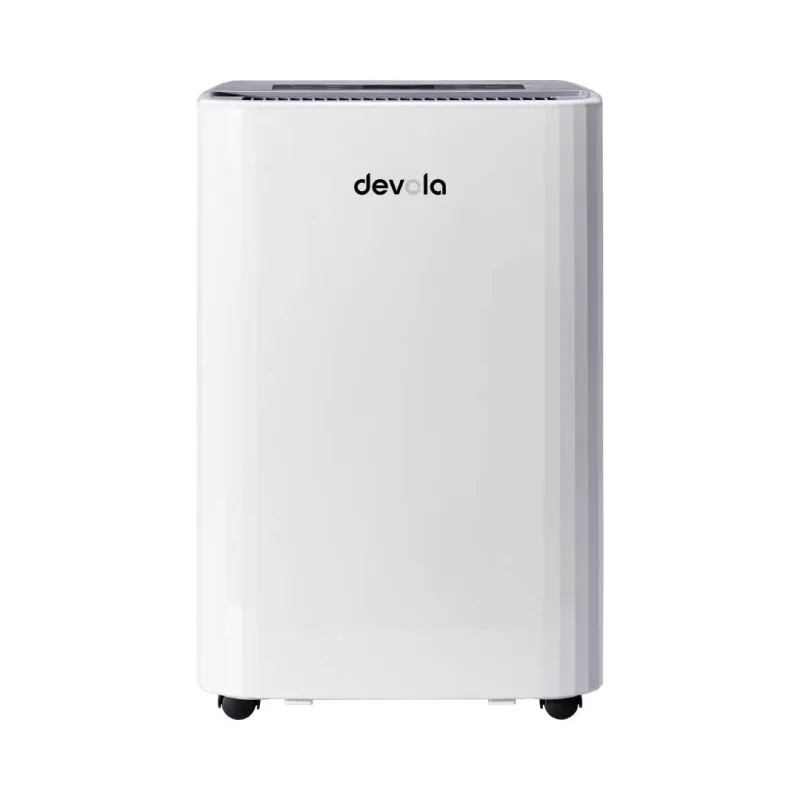 Devola 12L Platinum Compressor Dehumidifier & Air Purifier DVH12L
7.8 out of 10
Check Price
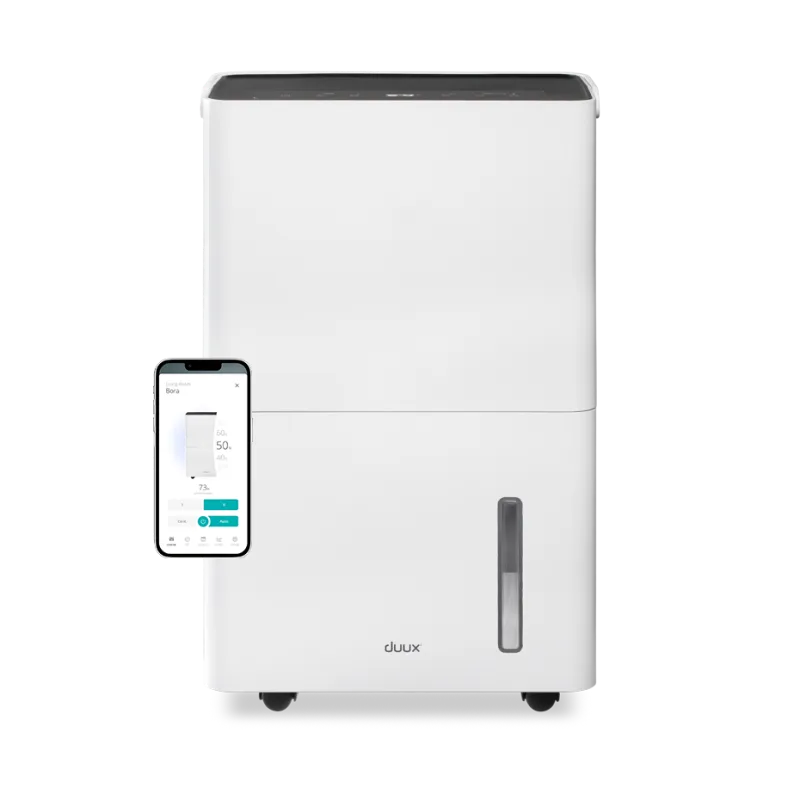 Duux Bora Smart 20L DXDH20UK
7.3 out of 10
Check Price
The sensible small-home buy. A quiet 12L compressor with an auto humidity sensor that suits a bedroom, a bathroom landing or a one-bed flat.
A simple rotary-dial desiccant unit that owners buy for cold, damp rooms and small flats. Light, easy to use and rated to work from 1°C to 35°C.
The laundry workhorse. A 20L compressor with a one-click laundry mode and a 5.5L tank that owners say copes with a clothes airer in a closed room.
The budget compressor that owners keep recommending. A plain 12L machine with a digital panel that does a bedroom, a bathroom or a small flat for a low outlay.
A 12L compressor with a digital display and a clothes-drying mode. Owners report it dries a load of washing in about six hours.
A newer 20L compressor for larger homes. Quiet on paper, lighter than most of its size, with an auto mode that holds a set humidity.
The 20L pick for a whole house. A compressor dehumidifier and HEPA air purifier in one, quiet for its size and drawing little power for the output.
The desiccant pick for garages, conservatories and boats. It keeps extracting when a compressor model would ice up, and it is light enough to carry.
A low-cost 12L with a HEPA filter for flats and bedrooms. It is sized for one room rather than a whole home.
The design-led choice with app control and a laundry mode. Reviewers say it pulls moisture out quickly, though the app is less polished than the hardware.
For most heated UK homes, a compressor model is the right choice: it is cheaper to run and quicker at room temperature. Pick 12L for a bedroom or small flat, and 20L for a whole house or regular laundry drying. If the room is cold, such as a garage, conservatory or boat, choose a desiccant model instead.
A compressor chills the air so moisture condenses, and it is efficient in a warm room. A desiccant unit uses an absorbent rotor and heats it to release water, so it keeps working in cold air, and it is stronger at 15°C or below. Desiccant units draw more power, often 300W to 600W, and give off a little warmth. Compressor models draw roughly 150W to 450W.
Compressor units slow down as the room cools, and most are rated from about 5°C because the coil can ice up. Many have a defrost cycle that pauses the work, so extraction falls in a cold garage. Desiccant models are not affected in the same way, and the EcoAir DD1 Simple MK3 is rated down to about 1°C.
A 12L compressor draws about 200W, which at around 26p per kWh is roughly 5p an hour. A 20L compressor draws about 330W to 440W, which is roughly 9p to 11p an hour, and a desiccant unit at 330W to 580W costs 9p to 15p an hour. A humidistat or auto shut-off stops it running once the target is reached, which cuts the bill. Your own tariff will move these figures.
The litres per day on the box are measured in warm, humid lab conditions, such as 30°C and 80 per cent humidity. In a typical UK room at 20°C and 60 per cent, expect roughly half to two thirds of that figure. As a guide, 12L suits a bedroom or one to two bedroom flat, and 20L suits a three or four bedroom house. A larger tank or a drain hose saves emptying it.
Choose a 20L compressor with a laundry mode, which raises the fan speed to pull moisture off wet washing. Close the door, put the airer in the same room and set the humidity target low. A larger 5L tank or a hose means it can run unattended. Aim for 40 to 60 per cent humidity, which a hygrometer will show, and stop once clothes are dry. Place the unit away from walls, keep the filter clean and empty the tank each day.
Every score here comes from our ranking model, not from anyone's opinion. It weighs owner ratings by how many there are, how recent they are and how reliable they look, then factors in value. We compared 27 models for this guide before settling on these ten.
Brands can't pay to be included or to move up. We last checked these picks on 25 October 2026.
How we rank, in fullThe sensible small-home buy. 9.2 out of 10.