The 10 Best Espresso Machines of 2026, Ranked
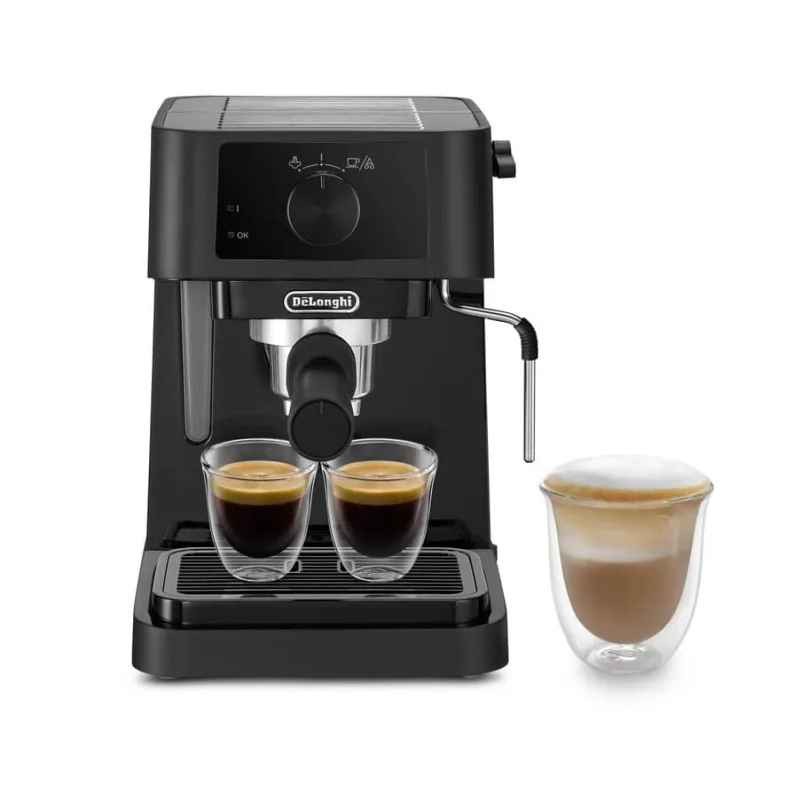
Our verdict: The best espresso machine in 2026 is the De'Longhi Stilosa EC230.BK. It tops our ranking with 9.2 out of 10.
Our picks
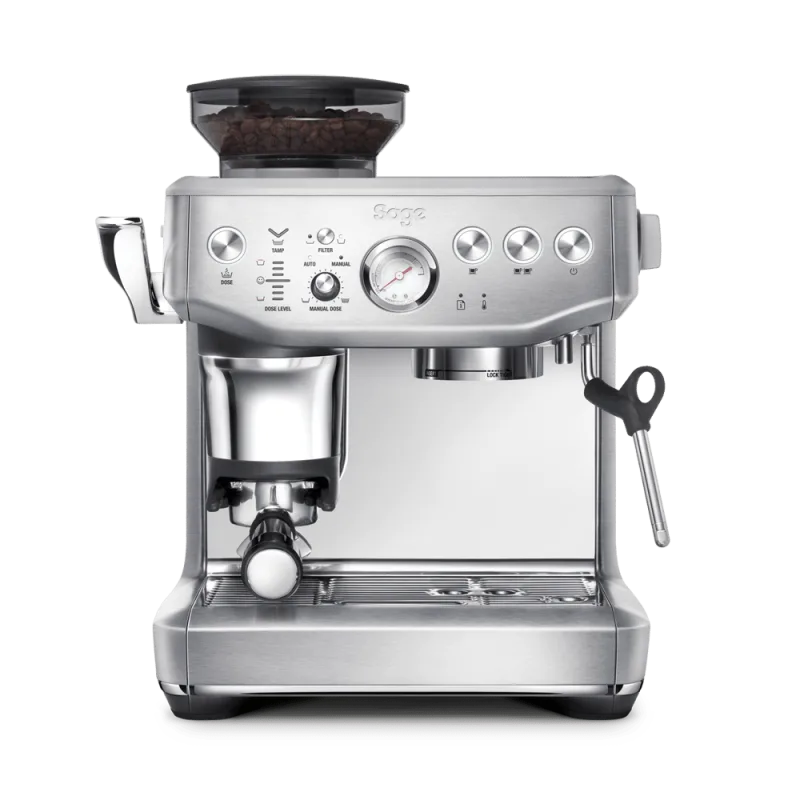
Sage the Barista Express Impress SES876
The best first machine for people put off by dosing and tamping.
Check Price on Amazon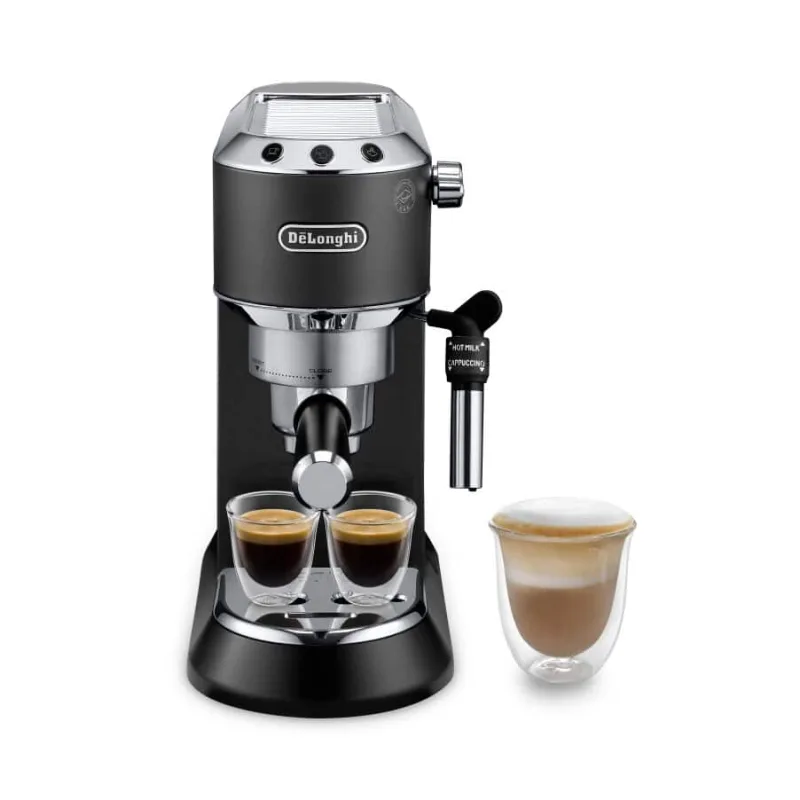
De'Longhi Dedica Style EC685
The slimmest machine here, a good fit for a tight worktop.
Check Price on Amazon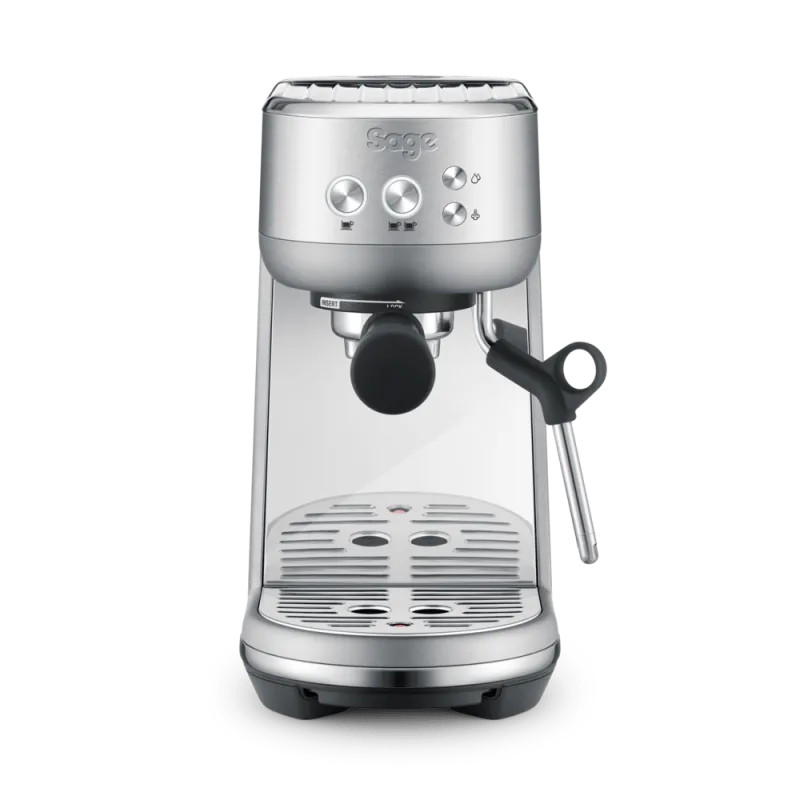
All 10, compared
Ranked by our score out of 10. Every product links to its full review below.
-
1
De'Longhi Stilosa EC230.BKBest Choice
9.2 out of 10
Check Price
-
2
De'Longhi Dedica Style EC685Value for Money
8.9 out of 10
Check Price
-
3
Sage the Bambino SES450Best Budget
8.8 out of 10
Check Price
-
4
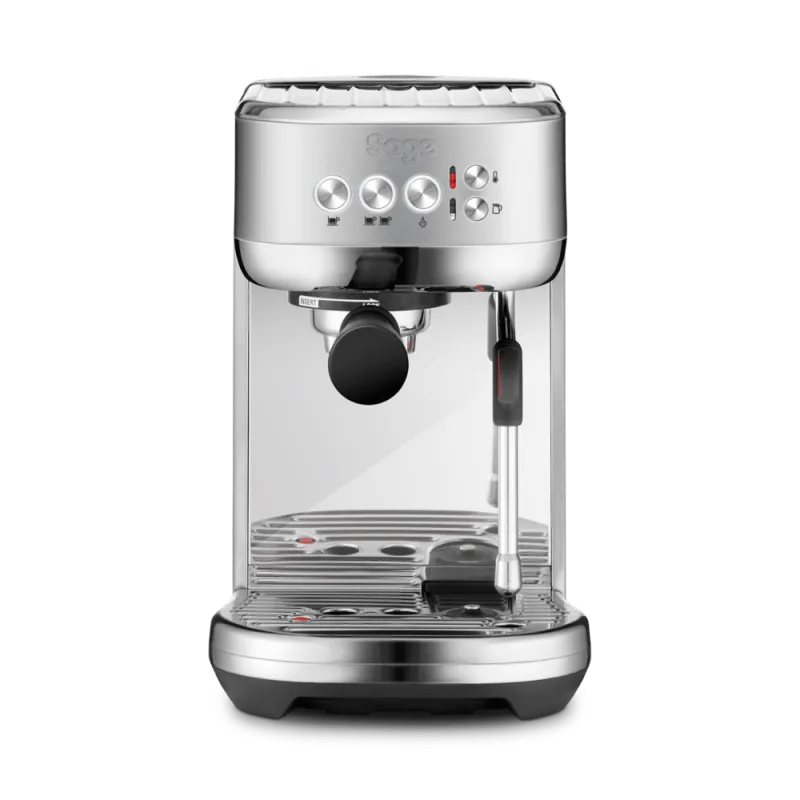 Sage the Bambino Plus SES500
8.7 out of 10
Check Price
-
5
Sage the Barista Express Impress SES876Best Premium
8.6 out of 10
Check Price
-
6
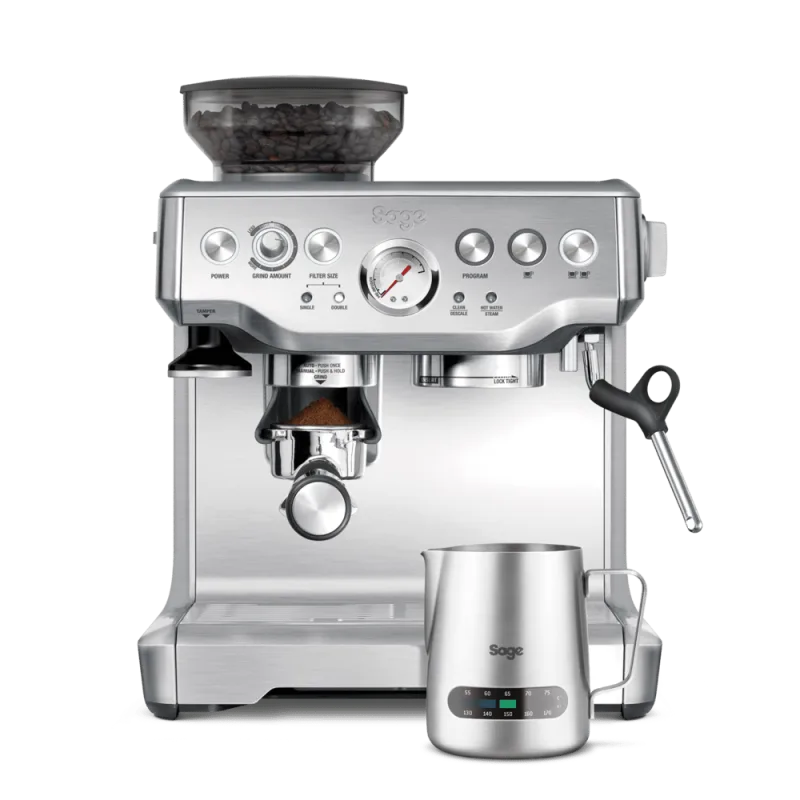 Sage the Barista Express SES875
8.5 out of 10
Check Price
-
7
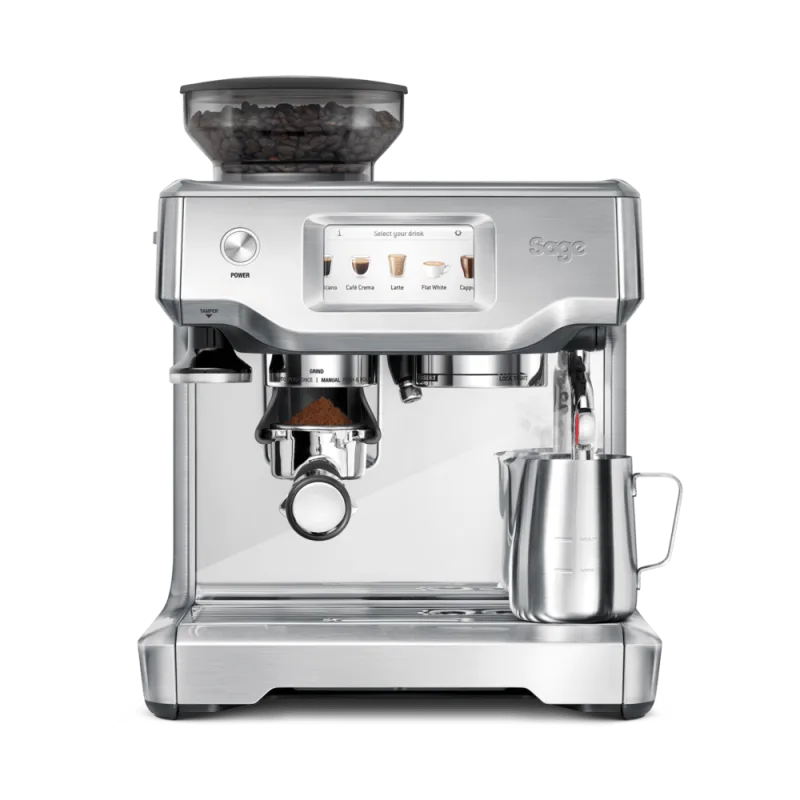 Sage the Barista Touch SES880
8.3 out of 10
Check Price
-
8
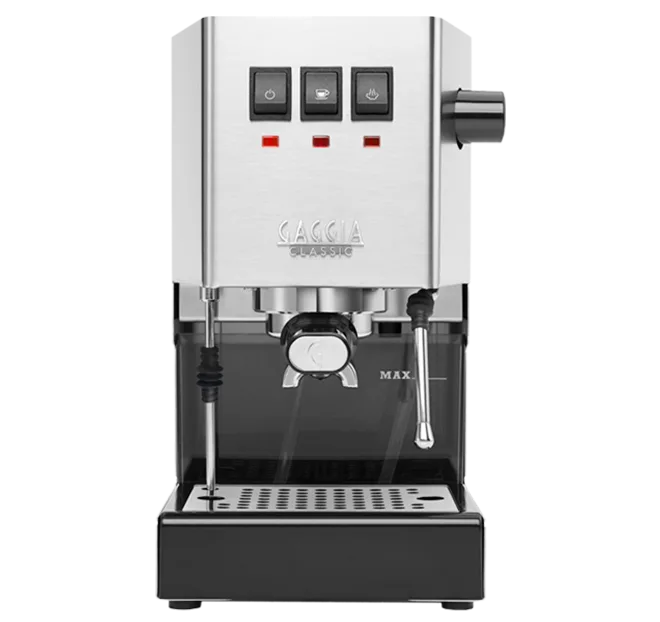 Gaggia Classic E24 Evo Pro
8.2 out of 10
Check Price
-
9
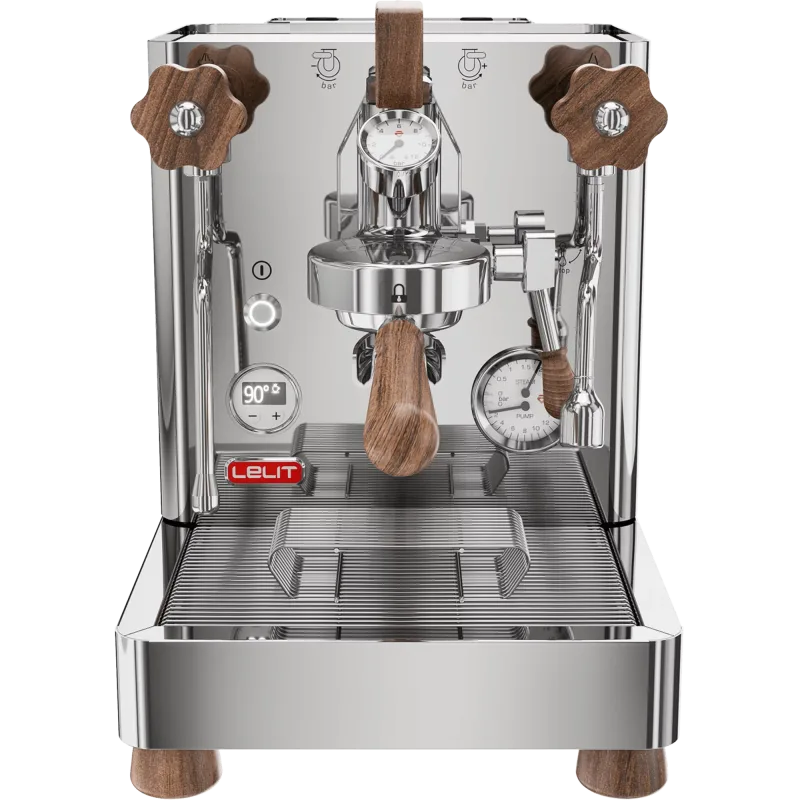 Lelit Bianca PL162T
7.4 out of 10
Check Price
-
10
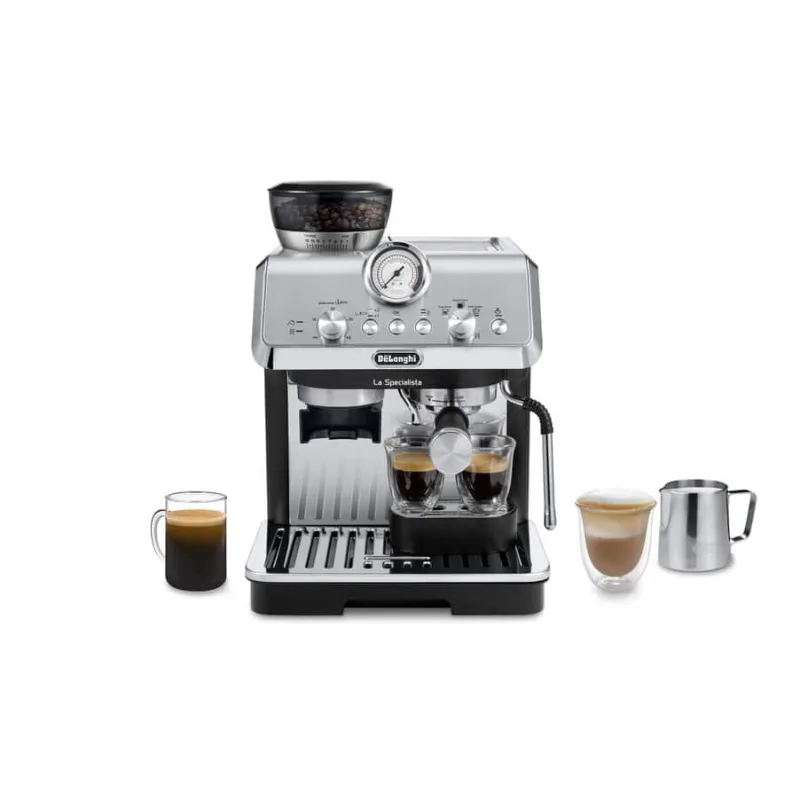 De'Longhi La Specialista Arte EC9155.MB
7.3 out of 10
Check Price
The full reviews
1.De'Longhi Stilosa EC230.BK
The cheapest way into real espresso here. It has a proper steam wand and standard baskets, and rewards a good grinder, but the build is mostly plastic.
Why it's here
- The cheapest machine here by a wide margin
- Manual steam wand for real microfoam
- Standard, non-pressurised baskets
- Compact for small kitchens
Keep in mind
- Mostly plastic build
- Needs a grinder, and freshly roasted beans
- Smaller portafilter than most rivals
- Small 1-litre water tank needs frequent refills
2.De'Longhi Dedica Style EC685
The slimmest machine here, a good fit for a tight worktop. Owners find it forgiving and quick, though its pressurised baskets limit how far a better grinder can take it.
Why it's here
- Only 15cm wide
- Thermoblock heats in under a minute
- Adjustable steam arm for milk
- Fits cups up to 12cm tall
Keep in mind
- Owners report waiting between steaming and brewing
- Baskets give less control than on larger machines
- Small water tank
- Ships with pressurised baskets, so a better grinder makes less difference
3.Sage the Bambino SES450
The sensible budget-to-mid-range start. Small, fast and consistent, with a manual wand that owners find easy to learn on, but you must buy a grinder.
Why it's here
- Only about 15cm wide, easy to live with
- Ready to brew in about three seconds
- Low-pressure pre-infusion and PID-style temperature control
- Jug, tamper, baskets and descale powder in the box
Keep in mind
- No built-in grinder, so factor in a decent one
- Steam tip has a single hole and takes longer to texture milk
- Plastic tamper feels light
- 54mm portafilter
4.Sage the Bambino Plus SES500
The Bambino with an automatic steam wand. Owners who mainly drink flat whites and cappuccinos like that it froths to a set temperature and texture without much practice.
Why it's here
- Automatic steam wand with three temperatures and three textures
- Faster four-hole steam tip than the standard Bambino
- Compact and quick to heat
- Wand also works manually for latte art
Keep in mind
- Needs a separate grinder
- Small drip tray fills quickly
- No dedicated hot water button
- 54mm portafilter
5.Sage the Barista Express Impress SES876
The best first machine for people put off by dosing and tamping. The assisted puck system does the fiddly work, and owners report fewer wasted shots in the first weeks.
Why it's here
- Assisted dosing and tamping gives consistent pucks from day one
- 25 grind settings, finer steps than the standard Barista Express
- Built-in grinder and a manual steam wand
- Low-pressure pre-infusion and a 9 bar extraction
Keep in mind
- Costs noticeably more than the standard Barista Express
- Tamp pressure is fixed, so you learn less about technique
- 54mm portafilter limits basket choice
- Large and heavy for a small worktop
6.Sage the Barista Express SES875
The all-rounder for anyone who wants grinder, machine and steam wand in one box. Owners say it teaches you the whole process and makes a proper flat white once you have dialled in the grind.
Why it's here
- Built-in conical burr grinder with 16 settings and dose control
- PID temperature control for steadier shots than basic machines
- Manual steam wand that owners find capable of good microfoam
- Comes with tamper, jug, baskets and cleaning kit
Keep in mind
- 54mm portafilter means fewer upgrade baskets and accessories than 58mm machines
- Owners with light roasts find the grind range runs out at the fine end
- Takes a few weeks of practice to get consistent shots
- Big footprint and a noisy grinder
7.Sage the Barista Touch SES880
For people who want milk drinks without learning to steam by hand. The automatic wand and saved drinks on the touchscreen suit households where several people share one machine.
Why it's here
- Automatic steam wand with adjustable temperature and texture
- Touchscreen stores up to eight personalised drinks
- Built-in grinder with 30 settings
- Fast ThermoJet heat-up
Keep in mind
- One of the dearest machines here for a 54mm portafilter
- More electronics to go wrong out of warranty
- Larger and heavier than the Barista Pro, with the same grinder
- Automatic wand needs frequent cleaning
8.Gaggia Classic E24 Evo Pro
The enthusiast's starter. A solid steel body, 58mm commercial portafilter and brass boiler make it the machine people upgrade and keep, but it expects you to bring your own grinder and patience.
Why it's here
- 58mm portafilter with a wide choice of baskets and tampers
- Brass boiler, solenoid valve and 9 bar pressure limiter
- Strong modding and spare-parts community
- Sturdy steel build
Keep in mind
- No PID, so temperature takes some managing
- Not beginner friendly
- Needs a good separate grinder to justify it
- Steaming and brewing need waiting time between
9.Lelit Bianca PL162T
The flagship for people who want café-level control at home. Dual boilers, a flow-control paddle and PID give the most control here, and it needs a very good grinder to match.
Why it's here
- Dual boilers brew and steam at the same time
- Flow-control paddle for pre-infusion and pressure
- 58mm portafilter with a group pressure gauge
- PID temperature control and OLED display
Keep in mind
- The most expensive machine here by far
- Weighs 27kg and takes a lot of space
- No built-in grinder
- Long warm-up for the group
10.De'Longhi La Specialista Arte EC9155.MB
A grinder-in-a-box that is easier to live with than most. The dose guide, preset recipes and manual steam wand suit people who want to learn without a big machine on the worktop.
Why it's here
- Built-in grinder with 15 settings and a choice of single or double dose
- Active temperature control with three temperature settings
- Manual steam wand for hand-textured milk
- 1.7-litre water tank and a tamper in the box
Keep in mind
- Smaller portafilter than on 58mm machines, so fewer basket upgrades
- Buttons and a dial only, with no display or shot timer
- Grinder is loud
- Takes practice to get consistent shots
Before you buy
Do I need a separate grinder for an espresso machine?
You need a grinder, and its quality matters as much as the machine. Fresh, even grounds with fine adjustment decide whether a shot is sour, bitter or balanced. Machines such as the Barista Express include one. For a machine without one, such as the Bambino or Gaggia, budget for a dedicated espresso grinder.
What is the difference between a manual and a semi-automatic espresso machine?
On a manual lever machine you provide the pressure by hand, as on the Cafelat Robot. On a semi-automatic, a pump supplies 9 bar and you control the grind, dose, tamp and when to stop. Assisted models, such as the Barista Express Impress, add auto-dosing or tamping. Most home buyers want a semi-automatic.
Is an espresso machine with a built-in grinder worth it?
For most beginners, yes. It saves space, is simpler to set up and costs less than a matching pair. The grinders are good but not the best, so enthusiasts often prefer a separate one. If you only drink milk drinks, the built-in option is usually enough.
How much should I spend on my first espresso machine?
A budget machine such as the Stilosa gets you started, but add a decent grinder to the total. A Bambino or Barista Express covers most households. Spending more buys control, such as PID, dual boilers and 58mm baskets, and suits people who already enjoy the process. Running a shot costs roughly 25p to 40p in beans, against several pounds for a café drink. If another type suits you better, see the bean-to-cup, pod and filter options from the Coffee Machines hub at /kitchen/coffee-machines/.
Is it hard to learn to make espresso and steam milk at home?
Expect a few weeks to get consistent shots and a few more for good microfoam. Fresh beans, the right grind and an even tamp matter most. Assisted and automatic-wand models shorten the learning, but you give up some control.
How often do I need to descale and clean an espresso machine?
Wipe the steam wand after every use and backflush or clean the group head weekly. Descale every two to three months in a hard-water area such as London or the south-east, and less often with a water filter. Limescale is the main cause of repair bills on machines with small heaters or valves.
How we ranked these ten
Every score here comes from our ranking model, not from anyone's opinion. It weighs owner ratings by how many there are, how recent they are and how reliable they look, then factors in value. We compared 17 models for this guide before settling on these ten.
Brands can't pay to be included or to move up. We last checked these picks on 24 October 2026.
How we rank, in fullOur No. 1
De'Longhi Stilosa EC230.BK
The cheapest way into real espresso here. 9.2 out of 10.