Canon EOS R50
A small mirrorless camera with an APS-C sensor and interchangeable RF-S lenses, aimed at people stepping up from a phone.
Check Price on Amazon Read the full reviewOur verdict: The best digital camera in 2027 is the Canon EOS R50. It tops our ranking with 9.0 out of 10.
A small mirrorless camera with an APS-C sensor and interchangeable RF-S lenses, aimed at people stepping up from a phone.
Check Price on Amazon Read the full review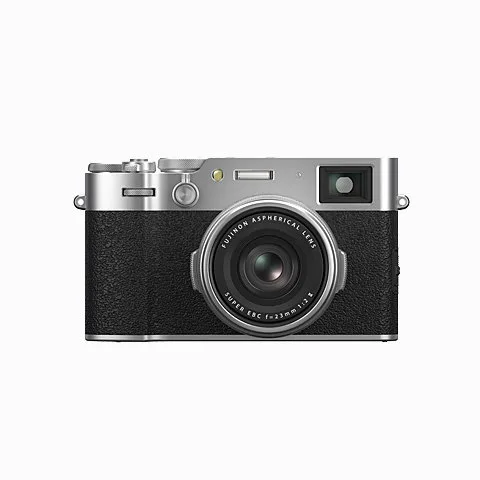
A premium fixed-lens camera with a 40MP APS-C sensor, a 23mm f/2 lens and a hybrid viewfinder.
Check Price on Amazon Read the full review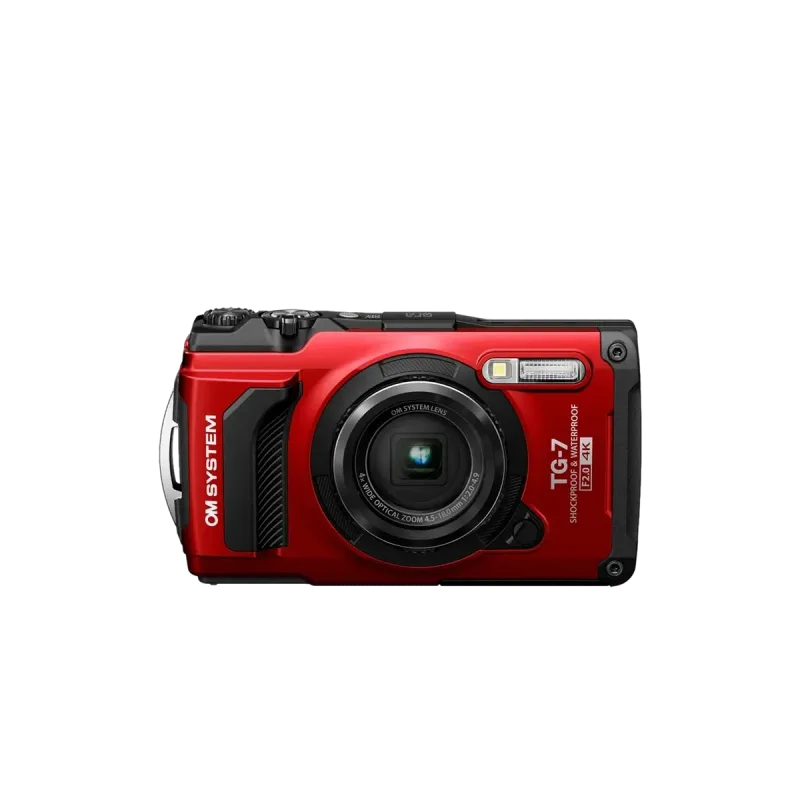
A rugged camera that needs no housing: waterproof to 15m, shockproof and freezeproof.
Check Price on Amazon Read the full review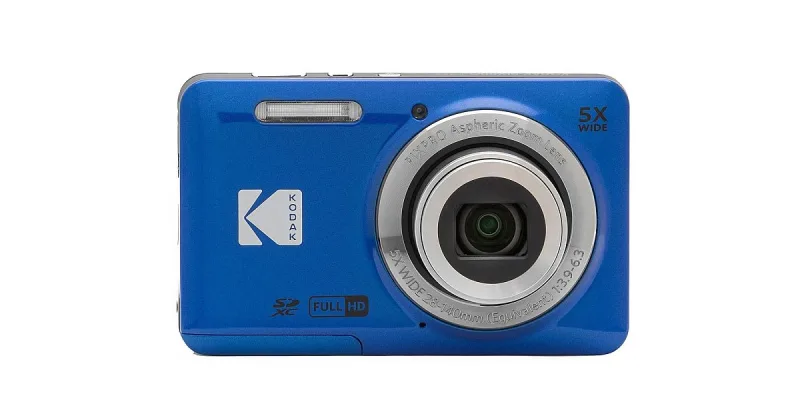
A simple budget point-and-shoot with a 5x zoom and a 28mm wide start.
Check Price on Amazon Read the full reviewWe compared 16 digital cameras sold in the UK and ranked ten by owner satisfaction. They cover a budget point-and-shoot, a waterproof tough camera, pocket compacts, a travel zoom, a vlogging compact and two mirrorless bodies. Every product links to its full review below.
Fujifilm X100VIBest Premium
8.7 out of 10
Check Price
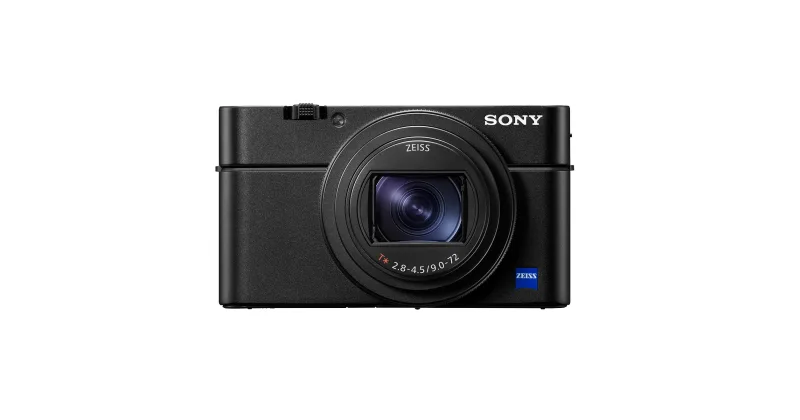 Sony RX100 VII
8.6 out of 10
Check Price
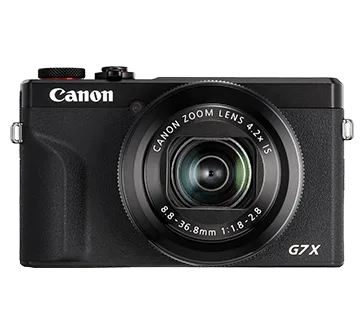 Canon PowerShot G7 X Mark III
8.6 out of 10
Check Price
OM SYSTEM Tough TG-7Value for Money
8.4 out of 10
Check Price
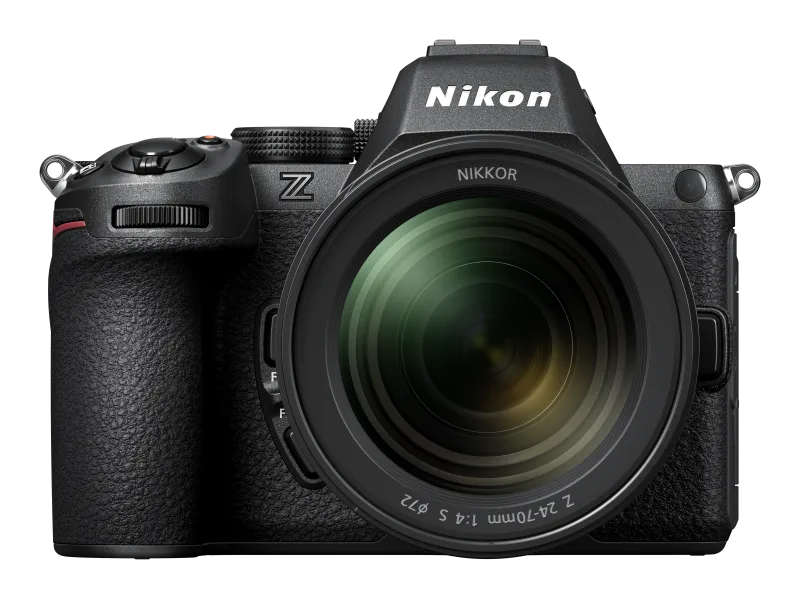 Nikon Z5II
8.2 out of 10
Check Price
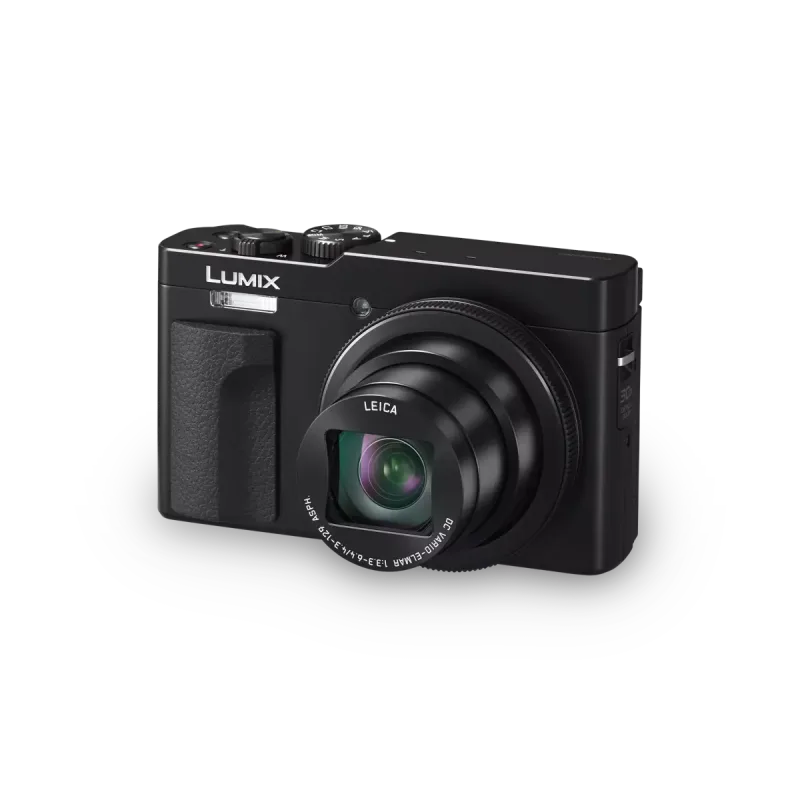 Panasonic LUMIX DC-TZ99
8.1 out of 10
Check Price
Kodak PIXPRO FZ55Best Budget
8.0 out of 10
Check Price
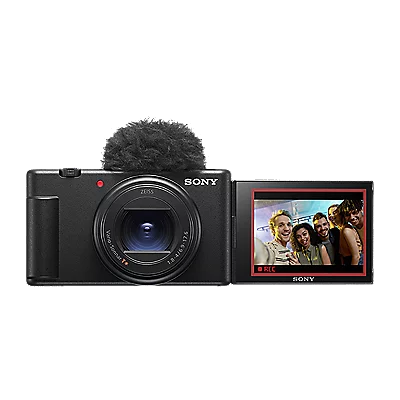 Sony ZV-1 II
7.9 out of 10
Check Price
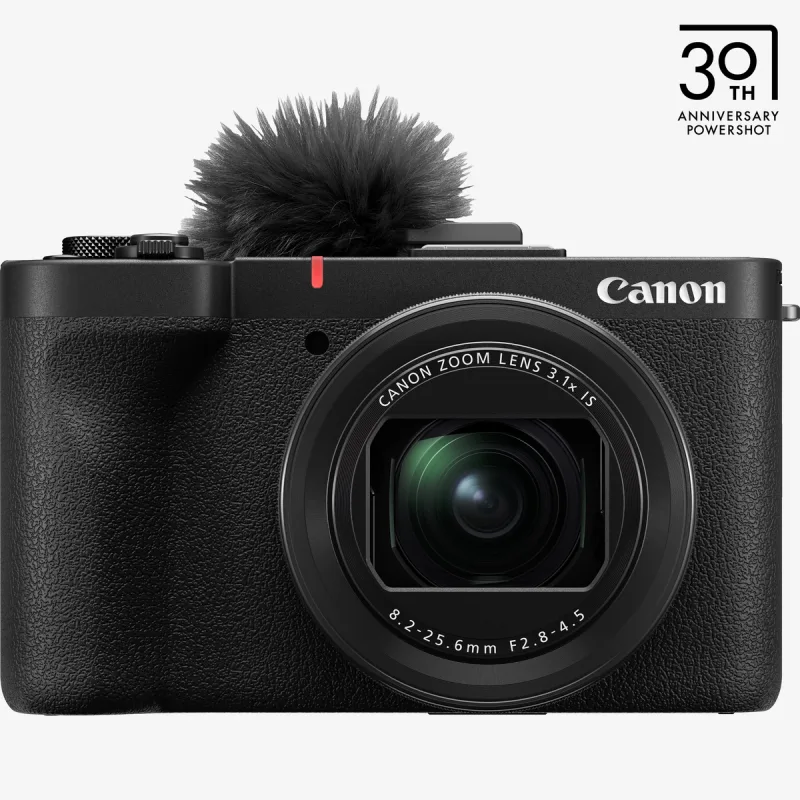 Canon PowerShot V1
7.7 out of 10
Check Price
The Canon EOS R50 (9.0) beats the Fujifilm X100VI (8.7) because it leaves owners a little happier.
A small mirrorless camera with an APS-C sensor and interchangeable RF-S lenses, aimed at people stepping up from a phone. Owners praise its easy menus, subject-tracking autofocus and image quality for the money.
Each bar shows its place in this guide, so a full bar is 1st of 10. How happy owners are counts for most of the score.
A premium fixed-lens camera with a 40MP APS-C sensor, a 23mm f/2 lens and a hybrid viewfinder. It is a street and travel camera for people who enjoy the dials, and owners say it is hard to find in stock.
Each bar shows its place in this guide, so a full bar is 1st of 10. How happy owners are counts for most of the score.
A pocket camera with the longest zoom of the 1-inch compacts in this list: 24-200mm, a pop-up viewfinder and fast tracking autofocus. Owners keep it as a travel camera for its zoom reach.
Each bar shows its place in this guide, so a full bar is 1st of 10. How happy owners are counts for most of the score.
A pocket compact with a 1-inch sensor and a bright 24-100mm f/1.8-2.8 lens, built for vlogging and everyday travel. Owners like its handling, flip-up screen and the way it streams and records video straight from the camera.
Each bar shows its place in this guide, so a full bar is 1st of 10. How happy owners are counts for most of the score.
A rugged camera that needs no housing: waterproof to 15m, shockproof and freezeproof. It has a fast f/2.0 lens and a macro mode, and suits beaches, snorkelling, hiking and children.
Each bar shows its place in this guide, so a full bar is 1st of 10. How happy owners are counts for most of the score.
A full-frame mirrorless body with the largest sensor in this list. Reviewers and owners praise its autofocus, stabilisation and low-light results.
Each bar shows its place in this guide, so a full bar is 1st of 10. How happy owners are counts for most of the score.
A travel zoom with a 24-720mm lens in a pocketable body, for holidays, wildlife and distant subjects a phone cannot reach. Owners like the reach and the viewfinder at the price.
Each bar shows its place in this guide, so a full bar is 1st of 10. How happy owners are counts for most of the score.
A simple budget point-and-shoot with a 5x zoom and a 28mm wide start. It suits children, a first camera or a spare for holidays, and it produces fair pictures in daylight.
Each bar shows its place in this guide, so a full bar is 1st of 10. How happy owners are counts for most of the score.
A pocket vlogging compact with a 1-inch sensor and a very wide 18-50mm zoom that fits an arm's-length selfie. Owners rate its autofocus and built-in microphone, and use it as a step up from a phone.
Each bar shows its place in this guide, so a full bar is 1st of 10. How happy owners are counts for most of the score.
A video-first compact with a larger 1.4-inch sensor and an ultra-wide 16-50mm lens. It suits vloggers and live streamers who want better low-light footage than a 1-inch camera.
Each bar shows its place in this guide, so a full bar is 1st of 10. How happy owners are counts for most of the score.
For most snapshots a recent phone is as good as a cheap camera. A camera earns its place on zoom, low light and handling. A 1-inch compact such as the Sony RX100 VII reaches 200mm optically, and a travel zoom such as the Panasonic TZ99 reaches 720mm, which a phone cannot match. Very cheap cameras under about £150, such as the Kodak FZ55, mostly appeal for children, a spare, or taking somewhere a phone might be lost or wet.
Pick a model with a touchscreen, face and eye detection and an automatic mode that works well. The Canon EOS R50 has guided menus and strong subject tracking, and the Sony ZV-1 II is a simple pocket camera with a flip screen. Both shoot RAW files and offer manual controls, so you can learn exposure later. Expect a learning curve if you move off auto, and it is fine to stay there at first.
A compact has a fixed lens, fits a pocket and needs nothing else. A mirrorless camera such as the Canon EOS R50 or Nikon Z5II has a larger sensor and changeable lenses, so image quality and low-light results are better. The catch is cost and size: lenses often cost as much as the body, and a kit does not fit a pocket. Choose a compact for carry-anywhere snaps and mirrorless if you want to grow a lens kit. A bridge camera is a larger fixed-lens zoom and sits between the two. The Panasonic TZ99 is a pocket version of that idea.
Under about £150 you get basic point-and-shoots and waterproof cameras whose pictures are only a little better than a phone in daylight. Around £400 to £700 buys a serious compact, a tough camera or an entry mirrorless body with a kit lens. Above £1,000 you are paying for 1-inch compacts with long zooms, premium fixed-lens cameras or full-frame bodies. Add a memory card (an SD card rated UHS-I or V30 for 4K video) and a spare battery to the budget. Mirrorless lenses are extra.
A bigger sensor collects more light, so indoor and evening pictures are cleaner. The ladder runs from small 1/2.3-inch sensors in budget and travel-zoom cameras, including the tough OM SYSTEM TG-7, to 1-inch in the Sony and Canon G7 X compacts, to 1.4-inch in the Canon PowerShot V1, to APS-C in the Canon EOS R50 and Fujifilm X100VI, to full frame in the Nikon Z5II. A small sensor is fine for bright days and for long zoom, but it struggles in dim light. Megapixels matter less than sensor size: past about 20MP extra pixels add little to a normal print or screen.
Optical zoom is real lens magnification. Digital zoom just crops the picture, as a phone does, so ignore it. A 3x zoom is enough for family and portraits, 8x covers travel, and 30x suits wildlife and sport but needs a small sensor. A faster lens (a lower f-number such as f/2) helps in dim light, though most zooms close to f/4 or slower when zoomed in. Also check stabilisation, which steadies long-zoom pictures and handheld video.
Every score here comes from our ranking model; no editor sets the order. We haven't read the review sites for this guide yet, so for now it is led by owners. It ranks products by how happy owners are, holding back any product few owners have rated until more agree. How many rated it and how new it is only settle close calls, and value for money earns its own badge rather than a higher place. We compared 16 models for this guide before settling on these ten.
Brands can't pay to be included or to move up. We last checked these picks in November 2026.
How we rank, in fullA small mirrorless camera with an APS-C sensor and interchangeable RF-S lenses, aimed at people stepping up from a phone. 9.0 out of 10.