About the Canon EOS R50
The R50 uses a 24.2MP APS-C sensor and Canon's DIGIC X processor, with a 1.6x crop. That sensor is much larger than the 1-inch type in pocket compacts. It takes Canon RF and RF-S lenses. Autofocus is Dual Pixel CMOS AF II, which follows people, animals and vehicles. ISO runs from 100 to 32,000, expandable to 51,200.
The body measures 116.3 x 85.5 x 68.8mm and weighs 328g, or 375g with card and battery. Framing is done on a 2.95-inch fully articulating touchscreen or through a 2.36 million dot OLED viewfinder. Stills run at up to 15fps with the electronic shutter and 12fps with the mechanical one. There is one UHS-I SD card slot, and no in-body stabilisation.
Video is 4K at up to 30p using the full width of the sensor, and Full HD at up to 120p. There is a microphone input but no headphone socket. Wi-Fi, Bluetooth, micro HDMI and USB-C are built in, though the USB-C port runs at USB 2.0 speeds. Long 4K clips can make the camera run hot, and it shows a temperature indicator.
The common kit pairs the body with the RF-S 18-45mm f/4.5-6.3 IS STM lens, which has optical stabilisation rated at four stops. A John Lewis bundle also lists a battery and charger in the box, with a microphone, tripod grip and memory card in that particular kit. Contents differ between kits, so check the one you buy.
Who the Canon EOS R50 suits
The R50 suits someone stepping up from a phone who wants a bigger sensor, a guided interface and lenses they can change later. It also works for family photos, pets and casual video. A professional review notes the viewfinder is small and the controls are tightly packed, so people with large hands should try it first.
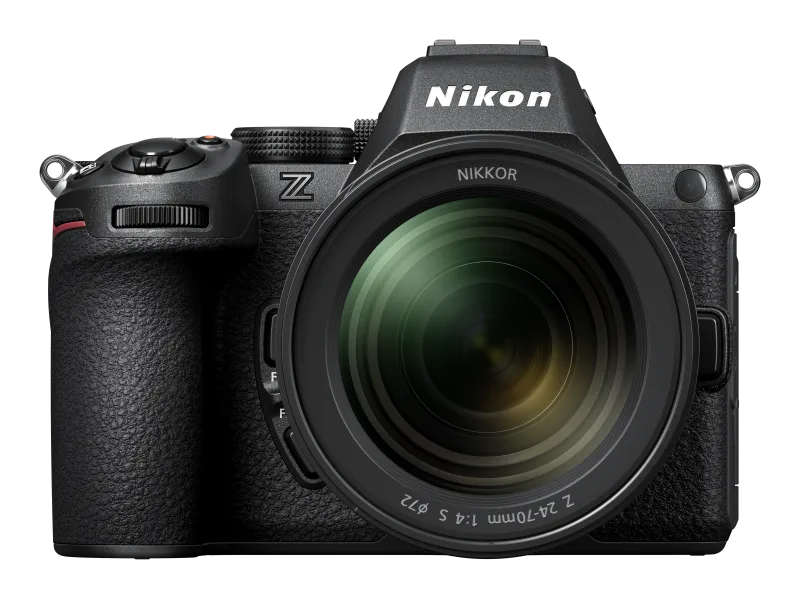
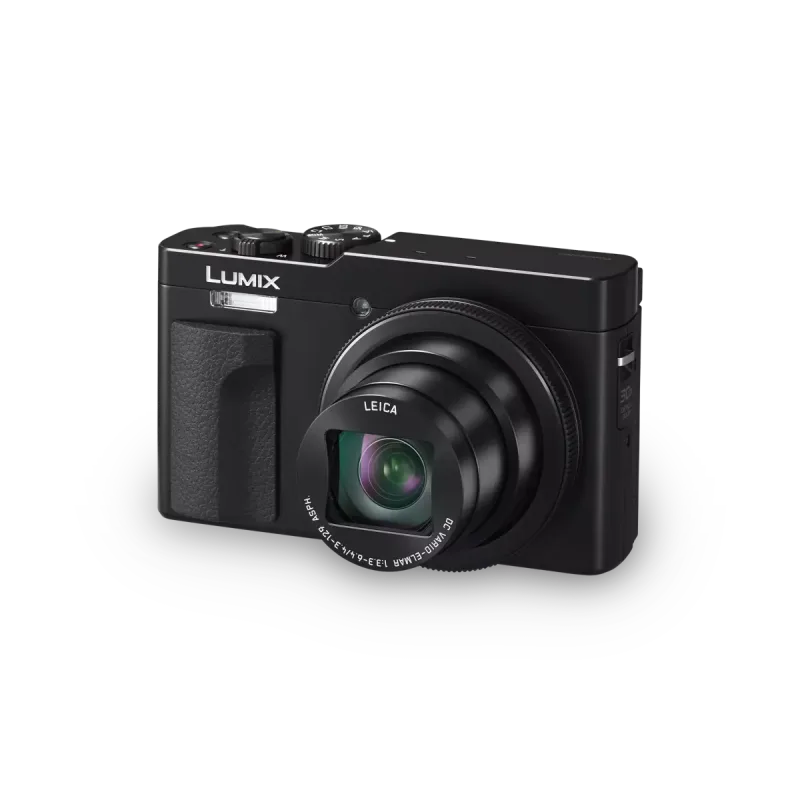
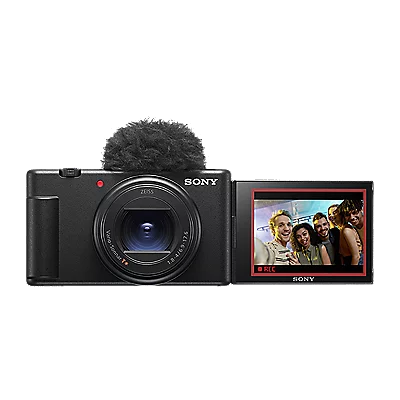
Look elsewhere if you want lots of lens choice at launch prices, since the RF-S range is small. The Nikon Z5II has a full-frame sensor. The Panasonic LUMIX DC-TZ99 reaches far further without changing lenses. The Sony ZV-1 II is simpler for hand-held vlogging.