The 10 Best USB Microphones of 2027, Ranked
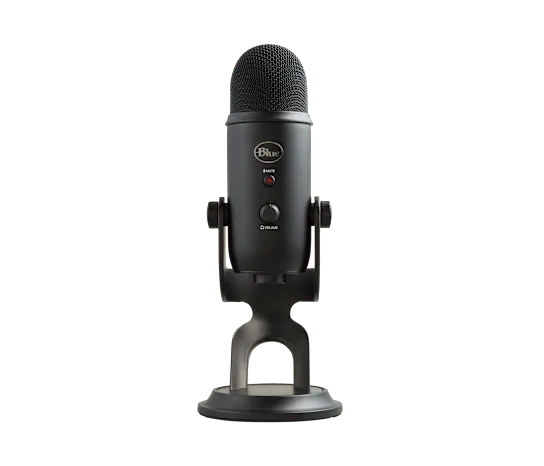
Our verdict: The best USB microphone in 2027 is the Blue Yeti. It tops our ranking with 9.1 out of 10.
Our USB microphone picks
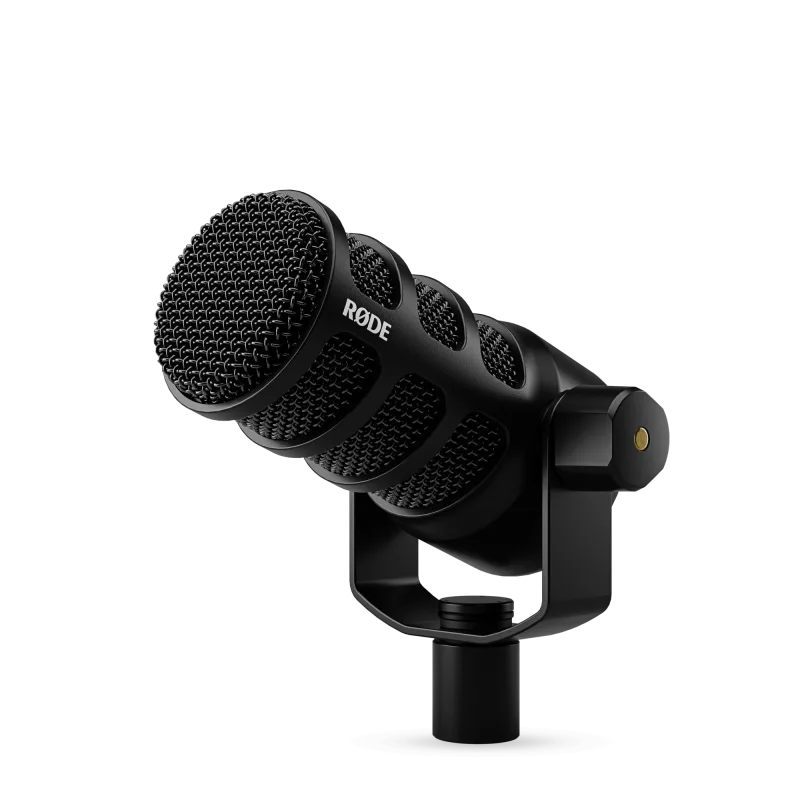
RØDE PodMic USB
A broadcast-style dynamic mic with USB-C and XLR outputs and a headphone output, for podcasters and streamers in untreated rooms.
Check Price on Amazon Read the full review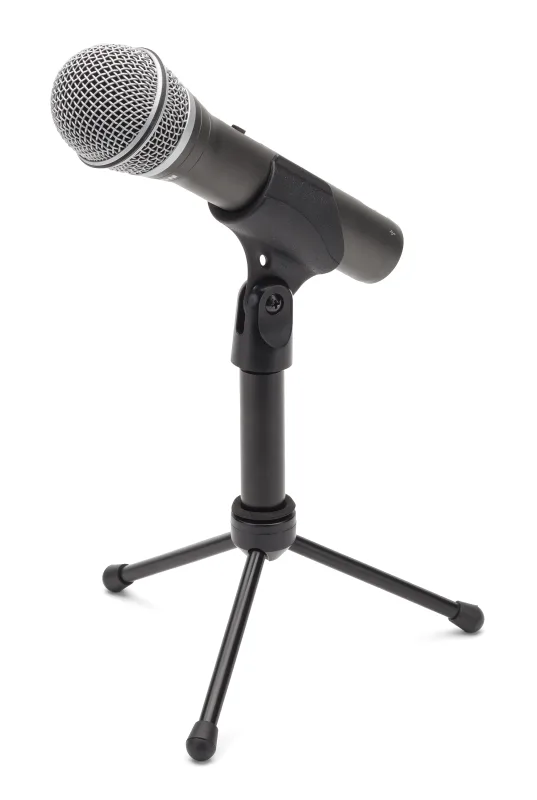
Samson Q2U
A handheld cardioid dynamic mic with both USB and XLR outputs at a modest price.
Check Price on Amazon Read the full review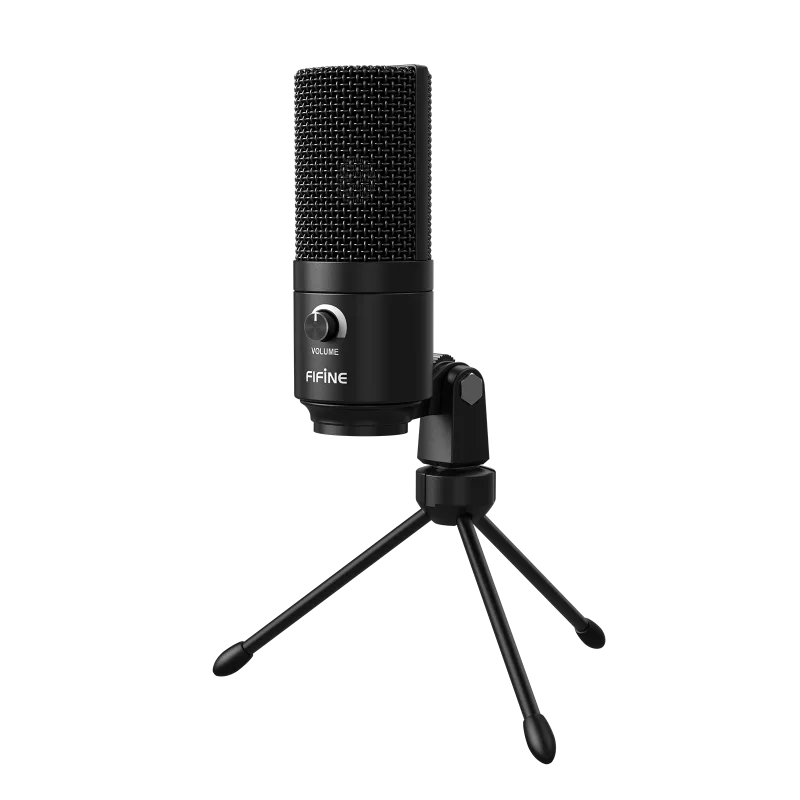
FIFINE K669B USB Condenser Microphone
A metal cardioid condenser with a tripod stand at a budget price.
Check Price on Amazon Read the full reviewAll 10 USB microphones, compared
We compared 15 USB microphones sold in the UK, then ranked ten of them by how happy owners are. These ten cover dynamic and condenser designs, USB-only and USB plus XLR models, and plug-and-play desk mics through to broadcast-style podcast mics across the price range. Every product links to its full review below.
-
1
Blue YetiBest Choice
9.1 out of 10
Check Price
-
2
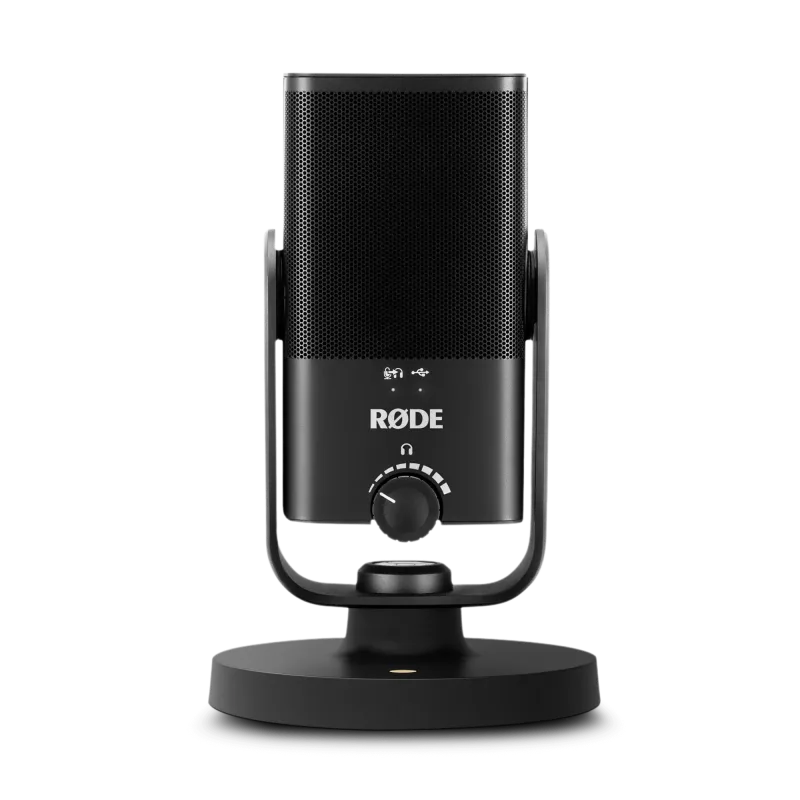 RØDE NT-USB Mini
9.0 out of 10
Check Price
-
3
RØDE PodMic USBBest Premium
9.0 out of 10
Check Price
-
4
Samson Q2UValue for Money
8.9 out of 10
Check Price
-
5
FIFINE K669B USB Condenser MicrophoneBest Budget
8.9 out of 10
Check Price
-
6
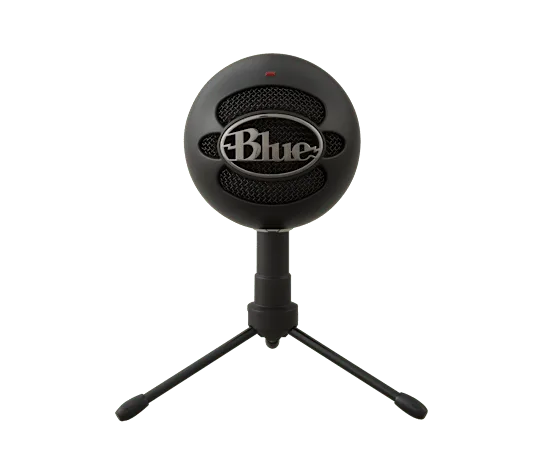 Blue Snowball iCE
8.9 out of 10
Check Price
-
7
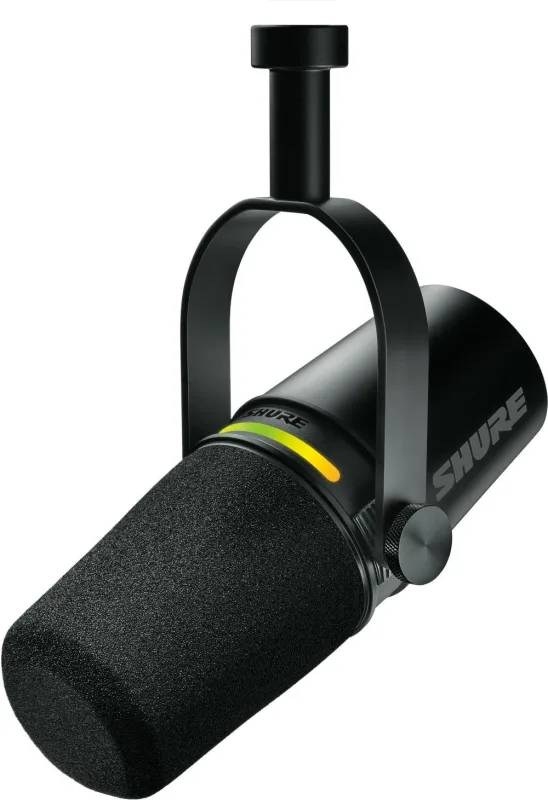 Shure MV7+
8.9 out of 10
Check Price
-
8
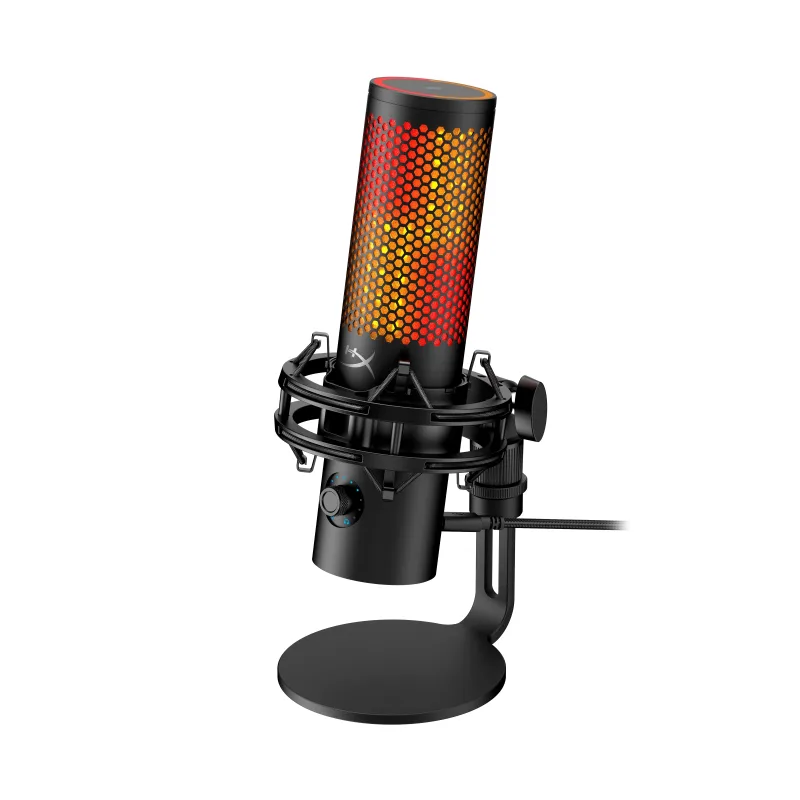 HyperX QuadCast 2 S
8.6 out of 10
Check Price
- 9 Shure MV7i 8.6 out of 10 Check Price
-
10
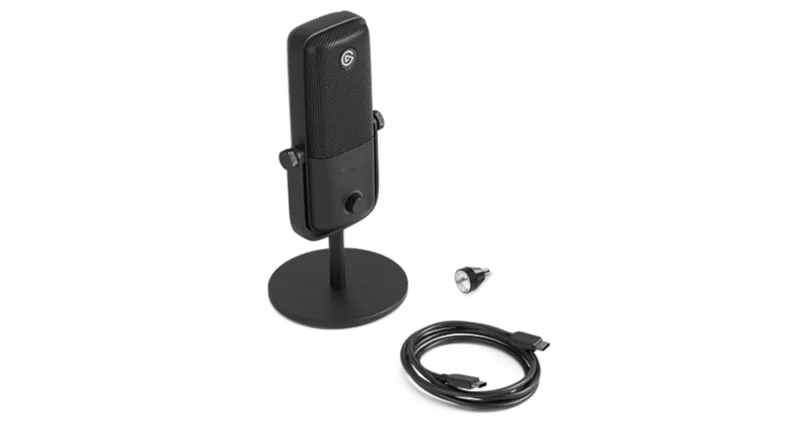 Elgato Wave:3 MK.2
8.6 out of 10
Check Price
Why No. 1 beats No. 2
The Blue Yeti (9.1) edges the RØDE NT-USB Mini (9.0) on the balance of all three parts.
The full USB microphone reviews
1.Blue Yeti
The desk mic most UK buyers recognise. Three condenser capsules give cardioid, omnidirectional, bidirectional and stereo patterns, which suits interviews, group calls and music as well as solo voice.
What makes up the score
- How happy owners are1st of 10
- How many rated it1st of 10
- How new it is7th of 10
Each bar shows its place in this guide, so a full bar is 1st of 10. How happy owners are counts for most of the score.
Why it's here
- Four pickup patterns on a dial, from solo voice to a table of guests
- Gain knob, mute button and a headphone jack on the body
- Plug and play on PC and Mac with a stand and cable included
- Blue VO!CE effects and EQ are optional rather than required
Keep in mind
- As a condenser it hears keyboards, fans and a bare room clearly
- Large and heavy, with a stand that takes up desk space
- Blue VO!CE needs Logitech's G HUB software
2.RØDE NT-USB Mini
A small steel-bodied condenser with a built-in pop filter and a headphone jack with zero-latency monitoring. Owners praise its warm, close vocal sound for singing and voice work.
What makes up the score
- How happy owners are2nd of 10
- How many rated it4th of 10
- How new it is6th of 10
Each bar shows its place in this guide, so a full bar is 1st of 10. How happy owners are counts for most of the score.
Why it's here
- Built-in pop filter and a magnetic desk base
- 3.5mm headphone output with zero-latency monitoring
- Class-compliant USB-C, with no drivers on PC or Mac
- RØDE software adds a noise gate, compressor and other effects
Keep in mind
- Gain is set in software, not on the mic
- Cardioid only, with no pattern switch for groups
- A condenser, so it hears room noise in an untreated space
- The desk base is short, so a boom arm is a likely add-on
3.RØDE PodMic USB
A broadcast-style dynamic mic with USB-C and XLR outputs and a headphone output, for podcasters and streamers in untreated rooms. It has a tight cardioid pattern and an all-metal body.
What makes up the score
- How happy owners are4th of 10
- How many rated it6th of 10
- How new it is5th of 10
Each bar shows its place in this guide, so a full bar is 1st of 10. How happy owners are counts for most of the score.
Why it's here
- Dynamic capsule with a tight cardioid pattern rejects room noise
- USB-C and XLR outputs for an interface upgrade later
- Zero-latency headphone output with level control
- On-board APHEX processing and VoxLab presets in the software
Keep in mind
- Heavy, so it needs a proper boom arm or sturdy stand
- No stand in the standard box
- Works best a few centimetres from the mouth, and the foam pop filter is basic
4.Samson Q2U
A handheld cardioid dynamic mic with both USB and XLR outputs at a modest price. It suits podcasters and voice-over work in untreated rooms, and it can move to an interface later without replacing the mic.
What makes up the score
- How happy owners are3rd of 10
- How many rated it5th of 10
- How new it is7th of 10
Each bar shows its place in this guide, so a full bar is 1st of 10. How happy owners are counts for most of the score.
Why it's here
- USB and XLR outputs on one dynamic mic
- Cardioid dynamic capsule keeps room noise down
- 3.5mm headphone output for zero-latency monitoring
- Desk tripod, stand clip, USB cable and XLR cable in the box
Keep in mind
- Audio is 16-bit/44.1 or 48kHz, below the 24-bit of newer mics
- The tripod desk stand is basic, and a boom arm is a likely add-on
- Works best close to the mouth, so quiet speakers need the gain up
- Plain, handheld styling with no mute button or software suite
5.FIFINE K669B USB Condenser Microphone
A metal cardioid condenser with a tripod stand at a budget price. Owners use it for calls, voice-overs and entry-level streaming, and report a clear, usable voice for so little.
What makes up the score
- How happy owners are5th of 10
- How many rated it2nd of 10
- How new it is7th of 10
Each bar shows its place in this guide, so a full bar is 1st of 10. How happy owners are counts for most of the score.
Why it's here
- Metal body and a cardioid condenser capsule
- Gain knob on the mic and a tripod stand included
- Plug and play with Discord, OBS, Twitch and Zoom
- The cheapest mic here by a wide margin
Keep in mind
- Works with PC, Mac and PS4/PS5 but not Xbox or phones
- No companion software or EQ to shape the sound
- Sounds thinner than the pricier mics, and the stand is lightweight
- No mute button or headphone jack on the mic
6.Blue Snowball iCE
A simple, cheap cardioid condenser for calls, lessons and starter streams. Owners like how clear and natural speech sounds for the money, and the plug-and-play setup.
What makes up the score
- How happy owners are6th of 10
- How many rated it3rd of 10
- How new it is7th of 10
Each bar shows its place in this guide, so a full bar is 1st of 10. How happy owners are counts for most of the score.
Why it's here
- Cardioid condenser capsule suits a single voice at a desk
- No drivers or software needed on PC or Mac
- Discord-certified, with an adjustable stand in the box
- One of the cheapest mics here
Keep in mind
- No gain knob, mute button or headphone jack
- 16-bit/44.1kHz audio, below the 24-bit/48kHz of newer mics
- The small tripod stand is lightweight and the mic can't be angled much
- Room sound can leak in if you sit back
7.Shure MV7+
A dynamic podcast microphone with both USB-C and XLR outputs, so it works now and still earns its place if you move to an audio interface. Owners rate its voice-focused sound and how little room noise it picks up.
What makes up the score
- How happy owners are7th of 10
- How many rated it7th of 10
- How new it is4th of 10
Each bar shows its place in this guide, so a full bar is 1st of 10. How happy owners are counts for most of the score.
Why it's here
- USB-C and XLR outputs give an upgrade path to an interface
- Dynamic capsule rejects keyboard clatter and room echo
- Touch-panel mute and a headphone jack for live monitoring
- Auto Level, denoiser and digital pop filter in the MOTIV Mix app
Keep in mind
- Needs a close mouth distance, so quiet speakers must turn the gain up
- A boom arm or stand is a separate purchase for most desks
- One of the most expensive microphones here for a single-voice job
8.HyperX QuadCast 2 S
The streamer's choice: a USB-C condenser with RGB lighting, a tap-to-mute sensor and four polar patterns. It records at up to 32-bit/192kHz and has a built-in shock mount and pop filter.
What makes up the score
- How happy owners are8th of 10
- How many rated it8th of 10
- How new it is3rd of 10
Each bar shows its place in this guide, so a full bar is 1st of 10. How happy owners are counts for most of the score.
Why it's here
- Four polar patterns, a gain dial and a headphone jack on the base
- Tap-to-mute with an LED that shows the mute state
- RGB lighting set in HyperX NGENUITY
- Built-in shock mount and internal pop filter
Keep in mind
- The stand is tall and a boom arm is not included
- Picks up keyboard and room sound more than a dynamic mic
- Large and heavy on its stand, so it takes up desk space
9.Shure MV7i
A dynamic mic with a built-in interface and a second combo input, aimed at two-person podcasts and creators who want one USB-C cable for everything. It records at 24-bit/48kHz in mixdown, multi-track or stereo.
What makes up the score
- How happy owners are9th of 10
- How many rated it9th of 10
- How new it is2nd of 10
Each bar shows its place in this guide, so a full bar is 1st of 10. How happy owners are counts for most of the score.
Why it's here
- Second XLR or quarter-inch input takes a guest mic or instrument
- Mixdown, multi-track and stereo recording modes
- 48V phantom power and 60dB of gain for demanding mics
- Tap-to-mute touch panel and a 3.5mm monitoring jack
Keep in mind
- The most expensive mic here, and overkill for one voice
- Bigger and heavier than a standard desk mic, so it wants a proper boom arm
10.Elgato Wave:3 MK.2
A 24-bit/48kHz condenser for streamers who want clean voice processing built in. A multifunction dial handles gain, headphone volume and monitor mix, and onboard DSP means less fiddling in OBS.
What makes up the score
- How happy owners are10th of 10
- How many rated it10th of 10
- How new it is1st of 10
Each bar shows its place in this guide, so a full bar is 1st of 10. How happy owners are counts for most of the score.
Why it's here
- 24-bit/48kHz over USB-C with a 3.5mm headphone jack
- Multifunction dial for gain, monitor mix and headphone volume
- Tap-to-mute, Clipguard anti-clipping and onboard DSP effects
- Compact desk stand, with 3/8 and 5/8 inch adapters
Keep in mind
- Single pickup pattern, so no group or stereo mode
- Wave Link needs Windows 11 or macOS 14.2 or newer
- A condenser, so a noisy room still bleeds in
Before you buy a USB microphone
Is a USB mic good enough for recording?
Yes. A USB mic has the converter built in, and many of the models here record at 24-bit/48kHz, which is enough for podcasts, streams, calls and vocals. The two budget picks here, the Snowball iCE and FIFINE K669B, are plainer, but still fine for calls and starter streams. A headphone jack with zero-latency monitoring lets you hear yourself without delay, and a mix dial blends mic and computer audio.
Should I buy a dynamic or a condenser USB microphone?
Dynamic mics such as the Shure MV7+, Samson Q2U and RØDE PodMic USB reject room noise and suit untreated rooms, but you need to speak close to them. Condensers such as the Blue Yeti, HyperX QuadCast 2 S and RØDE NT-USB Mini capture more detail and pick up more of the room, so they suit a quiet space. Polar patterns matter too: cardioid is best for a single voice, bidirectional for two people facing each other, omnidirectional for a group round a table, and stereo for music or ambience. Only the Yeti and QuadCast 2 S offer all four.
What type of microphone is best for streaming?
For streaming, a dynamic mic gives clean speech while your keyboard and PC fans are running, and a condenser sounds fuller in a quiet room. Look for tap-to-mute, a gain control and a headphone jack, which the HyperX QuadCast 2 S and Elgato Wave:3 MK.2 both have. RGB lighting and OBS-friendly software are optional extras, and the mic works with OBS either way. For Zoom and Teams calls, any mic here will do, and a cardioid pattern is the sensible choice. For singing, a condenser captures more detail, but only in a quiet room.
Do I need a pop filter or boom arm with a USB microphone?
A pop filter tames plosive 'p' and 'b' sounds. The QuadCast 2 S and NT-USB Mini have one built in, and Shure's mics use a digital pop filter in the app. A boom arm lifts the mic off the desk, cuts keyboard thumps and puts it at the right distance from your mouth. The RØDE PodMic USB and Shure mics usually need one, and the small desk stands in the box suit calls better than podcasting.
What is the best USB microphone for a noisy room?
A dynamic cardioid mic suits a noisy room best. The Shure MV7+, Samson Q2U and RØDE PodMic USB all pick up mostly what is directly in front of them, provided you speak close to the capsule. A condenser such as the Blue Yeti or Snowball iCE hears the room more, so it needs a quiet space. Spending more buys better room rejection, stronger software processing such as denoisers and auto level, and sturdier builds.
Should I choose USB or XLR?
USB is simpler: plug in and record, with no interface to buy. XLR needs an audio interface or mixer but lets you swap the mic and the interface separately later. Hybrid mics such as the Shure MV7+, Samson Q2U and RØDE PodMic USB offer both outputs, so you can start on USB and move to an interface without replacing the mic. The Shure MV7i is different: it has a built-in interface with a combo XLR and quarter-inch input, and connects to your computer over USB-C. Check the connector: newer mics use USB-C, while some long-running designs still use older mini-USB or micro-USB connectors, and PS4, PS5 and Xbox support varies. For phones, check the listing says it works with them.
How we ranked these ten USB microphones
Every score here comes from our ranking model; no editor sets the order. We haven't read the review sites for this guide yet, so for now it is led by owners. It ranks products by how happy owners are, holding back any product few owners have rated until more agree. How many rated it and how new it is only settle close calls, and value for money earns its own badge rather than a higher place. We compared 15 models for this guide before settling on these ten.
Brands can't pay to be included or to move up. We last checked these picks in November 2026.
How we rank, in full