vetted ten.

Anker SOLIX C1000 Gen 2 review

No. 4 of 10 in our portable power stations ranking · Updated · How we rank

Our verdict: The Anker SOLIX C1000 Gen 2 ranks 4th of the 10 portable power stations we compare, with 8.9 out of 10.

Anker SOLIX C1000 Gen 2

Anker SOLIX C1000 Gen 2

8.9/10

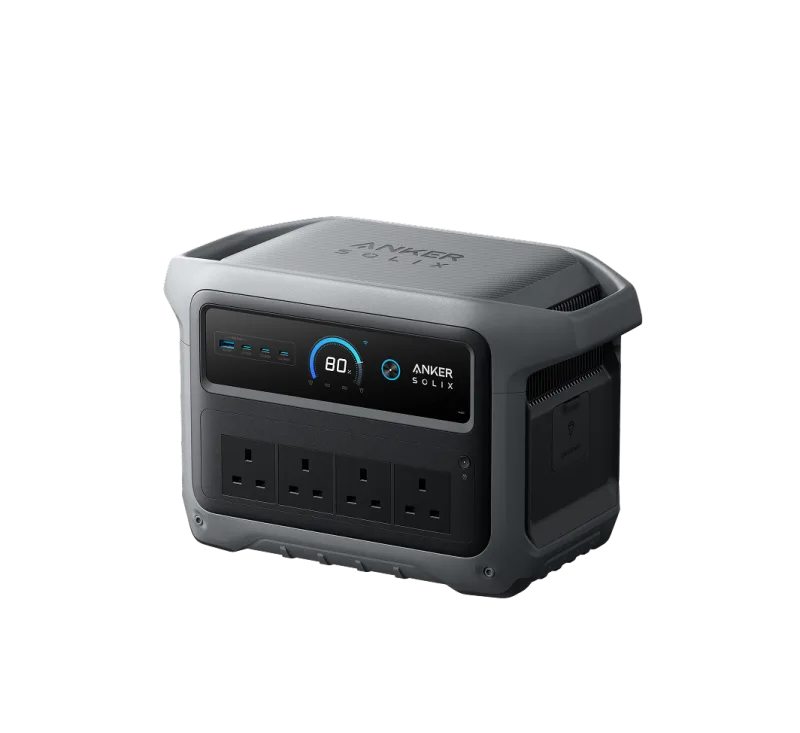
The Anker SOLIX C1000 Gen 2 is a 1,024Wh LiFePO4 power station with 2,000W output and very fast mains charging. It suits campers, van users and anyone who wants a UPS-style backup for a router or PC.

Check Price on Amazon

Why it's here

  • 1,024Wh with 2,000W output and a higher surge rating for tools
  • Full mains recharge in around 49 minutes with Anker's fast-charge mode
  • Up to 600W of solar input, so a decent panel array cuts charging time
  • Switchover under 10ms keeps a router or desktop running through a cut

Keep in mind

  • Cannot be expanded with an extra battery, unlike the earlier C1000
  • Only 1,024Wh, so a kettle or heater drains it within minutes
  • The fan is audible at high loads, unlike the near-silent low-load mode

Why the Anker SOLIX C1000 Gen 2 scores 8.9

Each bar shows where it places among the 10 portable power stations in this guide, so a full bar is 1st of 10. How happy owners are counts for most of the score.

  • How happy owners are5th of 10
  • How many rated it5th of 10
  • How new it is5th of 10

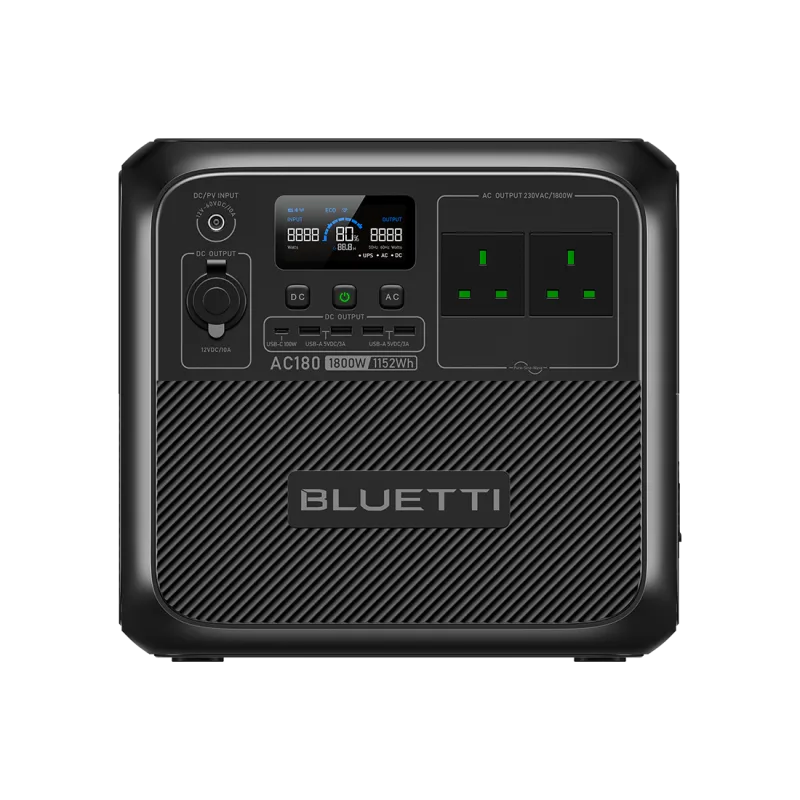
Level with the Bluetti AC180

The Bluetti AC180 and the Anker SOLIX C1000 Gen 2 score the same, so either is a safe pick. The Bluetti AC180 goes first because it leaves owners a little happier. The Anker SOLIX C1000 Gen 2 is the newer design.

About the Anker SOLIX C1000 Gen 2

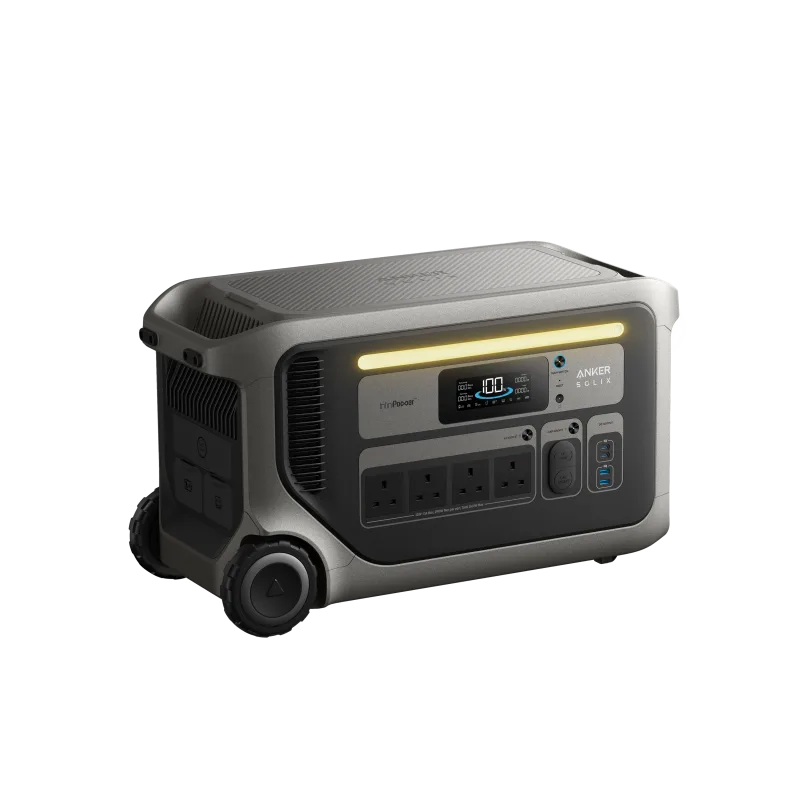
The C1000 Gen 2 holds 1,024Wh in lithium iron phosphate (LFP) cells, which Anker rates to keep at least 80% of capacity after 4,000 cycles. The inverter gives 2,000W continuous with a 3,000W peak. Anker says it is 14% smaller and 11% lighter than similar models.

Charging is the main talking point. With HyperFlash switched on in the Anker app, Anker quotes a full recharge from the wall in 49 minutes at 1,600W. Notebookcheck measured just under 55 minutes without the boost mode. Solar input goes up to 600W at a maximum of 60V, and Anker quotes 1.8 hours for a solar recharge at that rate. Reaching that figure needs a suitable panel array.

If mains power drops, the switchover takes under 10ms, so a router or desktop PC should keep running. The app (Bluetooth or Wi-Fi) shows battery level and temperature, sets charge limits and has a time-of-use mode for scheduled charging. Notebookcheck lists three USB-C ports at up to 140W each, one USB-A, a 12V car socket and four or five AC sockets. It also notes the Gen 2 has no battery expansion port and no built-in light, both of which the first C1000 had. In the box: the power station, an AC charging cable, a Quick Start Guide and a Safety and Warranty Card.

What owners report about the Anker SOLIX C1000 Gen 2

We found too little owner feedback specific to the C1000 Gen 2 on UK retailers and forums to report a pattern, so we have not drawn conclusions about how it holds up over months of use.

Who the Anker SOLIX C1000 Gen 2 suits

It suits people who want 1kWh in a fairly compact, light body and value a quick top-up: a campsite stop, a van with solar panels, a desk where a router and PC need to ride through a cut. The 2,000W output also starts many small tools.

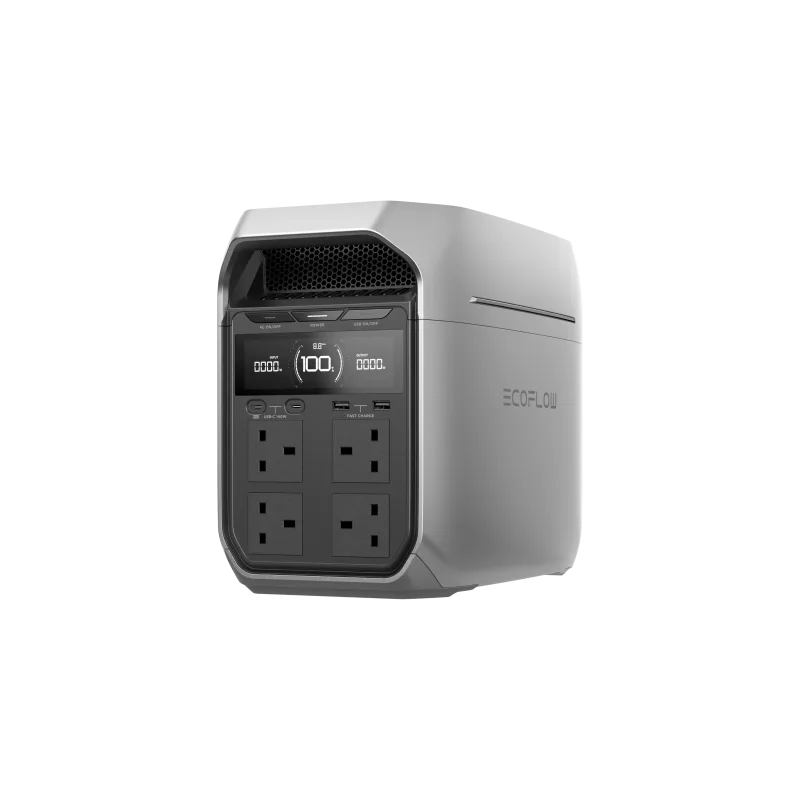
Look elsewhere if you may want to add capacity later: the Gen 2 cannot take an extra battery, and the EcoFlow DELTA 3 Plus can. Anyone running a kettle or heater for more than a few minutes needs more capacity, such as the EcoFlow DELTA 3 Max Plus. If you want the quietest unit under load, the Jackery Explorer 1000 v2 is the one to look at.

Questions about the Anker SOLIX C1000 Gen 2

What is the difference between the Anker SOLIX C1000 Gen 2 and the first C1000?

The Gen 2 is lighter (Notebookcheck puts it about 1.6kg below the original), halves the UPS switchover to 10ms and has three USB-C ports at up to 140W each. It loses the expansion battery option and the built-in light.

What problems does the Anker C1000 Gen 2 have?

The drawbacks reviewers report are an audible fan at high output or fast charging, no way to add an extra battery and no built-in light. We found no pattern of faults from owners of this model.

What is the solar input on the Anker C1000 Gen 2?

Up to 600W, with a 60V maximum. Anker quotes a solar recharge in 1.8 hours at that rate, which needs a panel array that can supply it.

Does the Anker C1000 Gen 2 come with a manual?

It comes with a Quick Start Guide and a Safety and Warranty Card in the box. Settings such as HyperFlash fast charging and time-of-use scheduling are controlled in the Anker app.

Other portable power station picks

The other badge winners in our portable power stations ranking.

All 10 portable power stations, compared

  1. 1 Jackery Explorer 1000 v2Best Choice 9.0 out of 10 Check Price
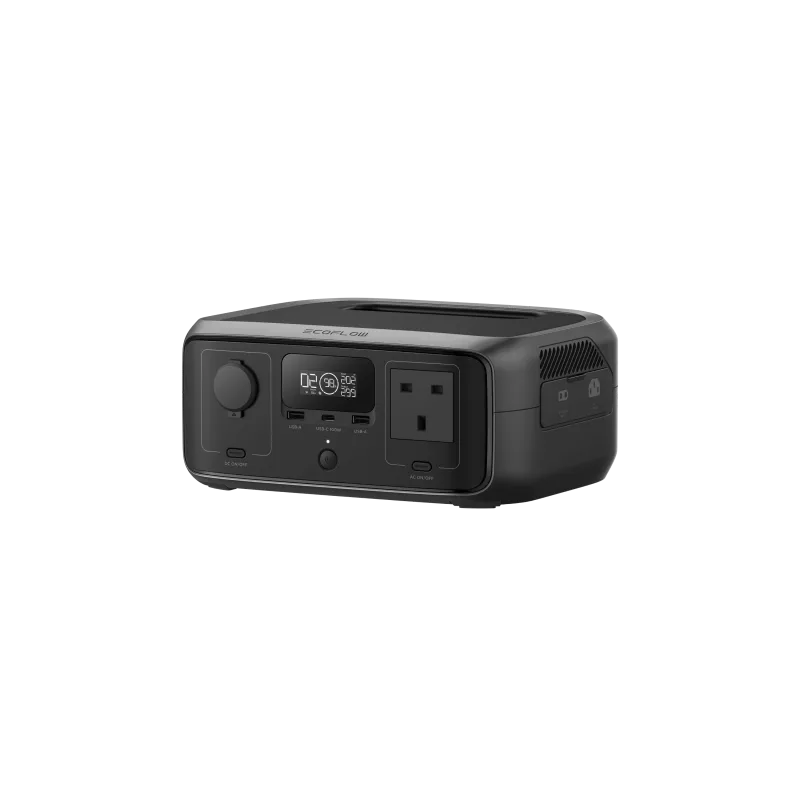
  2. 2 EcoFlow RIVER 3 UPSBest Budget 8.9 out of 10 Check Price
  3. 3 Bluetti AC180 8.9 out of 10 Check Price
  4. 4 Anker SOLIX C1000 Gen 2This review 8.9 out of 10 Check Price
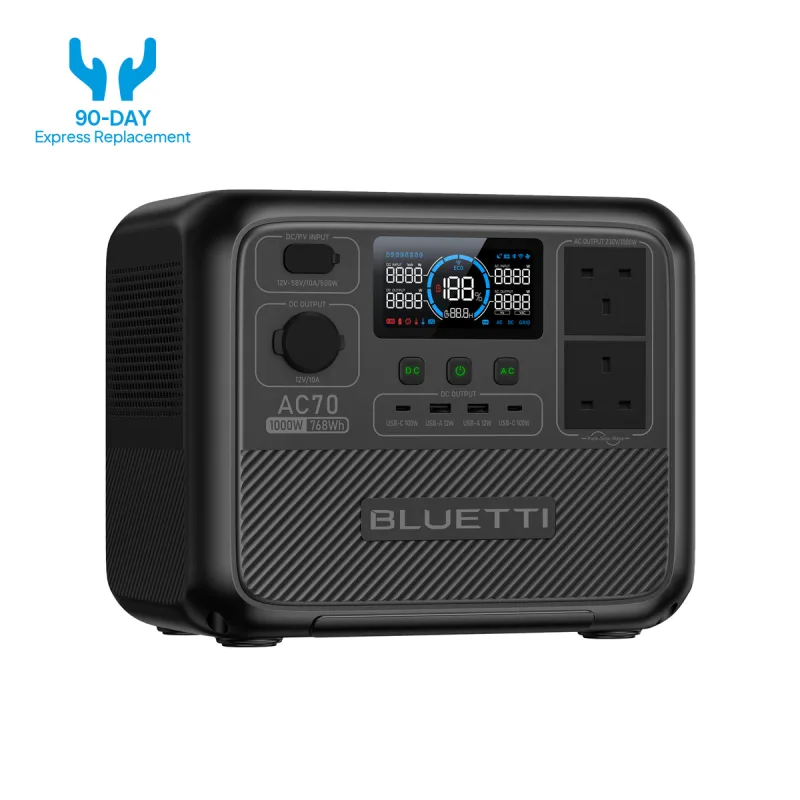
  5. 5 Bluetti AC70 8.9 out of 10 Check Price
  6. 6 EcoFlow DELTA 3 Plus 8.8 out of 10 Check Price
  7. 7 Anker SOLIX F3000 8.8 out of 10 Check Price
  8. 8 OUPES Mega 1 8.6 out of 10 Check Price
  9. 9 DJI Power 1000 Mini 8.6 out of 10 Check Price
  10. 10 EcoFlow DELTA 3 Max Plus 8.6 out of 10 Check Price
See the full portable power stations ranking

The Anker SOLIX C1000 Gen 2 on Amazon

Anker SOLIX C1000 Gen 2

The Anker SOLIX C1000 Gen 2 is a 1,024Wh LiFePO4 power station with 2,000W output and very fast mains charging. 8.9 out of 10.

Check Price on Amazon

How we score it

Every score here comes from our ranking model; no editor sets the order. We haven't read the review sites for this guide yet, so for now it is led by owners. It ranks products by how happy owners are, holding back any product few owners have rated until more agree. How many rated it and how new it is only settle close calls, and value for money earns its own badge rather than a higher place. We compared 15 models for this guide before settling on these ten.

Brands can't pay to be included or to move up. We last checked these picks in November 2026.

How we rank, in full