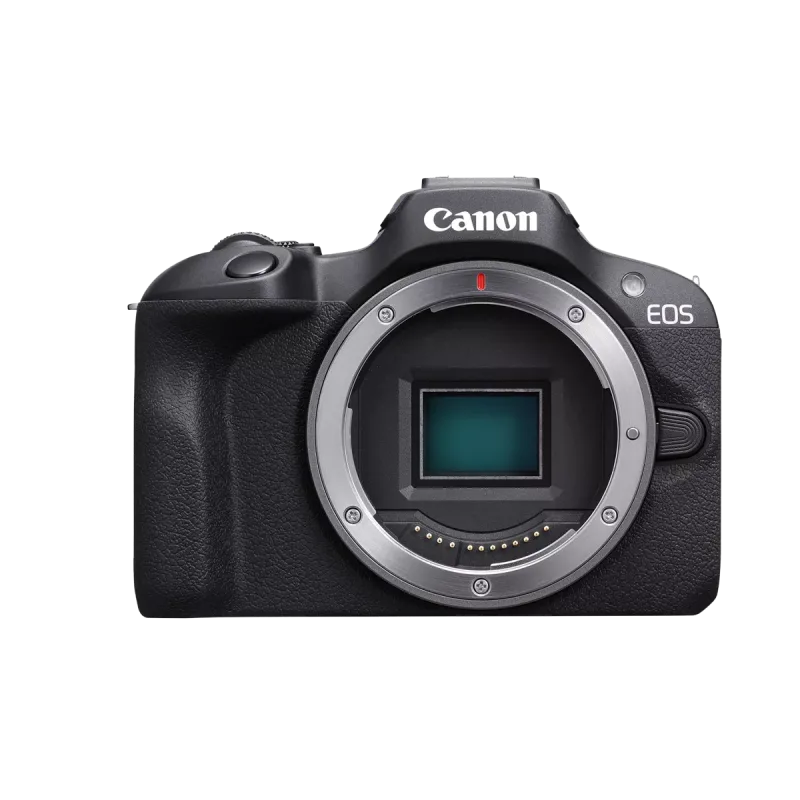
Canon EOS R100
The cheapest way into interchangeable lenses here: a 24.1MP APS-C body with a viewfinder and Canon's easy autofocus.
Check Price on Amazon Read the full reviewOur verdict: The best digital camera in 2027 is the Canon EOS R100. It tops our ranking with 8.9 out of 10.
Fewer picks than usual: no other model in the top half is better value.
The cheapest way into interchangeable lenses here: a 24.1MP APS-C body with a viewfinder and Canon's easy autofocus.
Check Price on Amazon Read the full review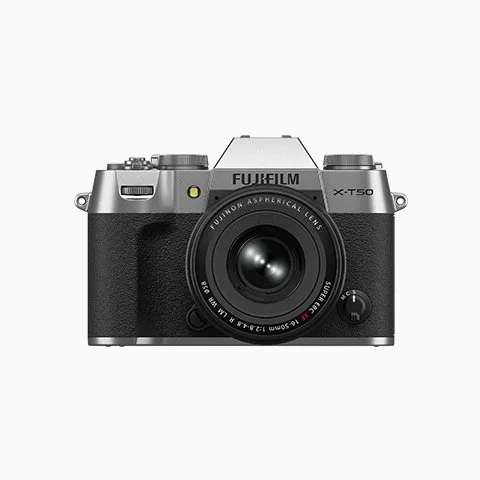
The top-end APS-C pick for shooters who want dials and a viewfinder: a 40.2MP sensor, in-body stabilization and a Film Simulation dial in a compact body.
Check Price on Amazon Read the full review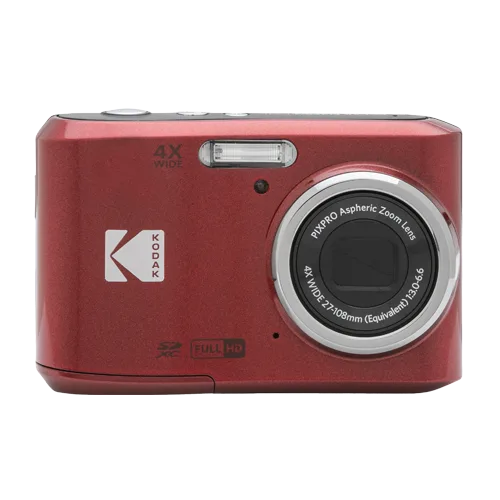
A basic point-and-shoot for first cameras, kids and trips where a phone is risky.
Check Price on Amazon Read the full reviewWe compared 18 digital cameras sold in the US and ranked ten by owner ratings. They run from an AA-powered point-and-shoot through a 30x travel zoom and 1-inch pocket compacts to APS-C and full-frame mirrorless bodies with interchangeable lenses, from the cheapest here to the priciest. Every product links to its full review below.
Canon EOS R100Best Choice
8.9 out of 10
Check Price
Fujifilm X-T50Best Premium
8.8 out of 10
Check Price
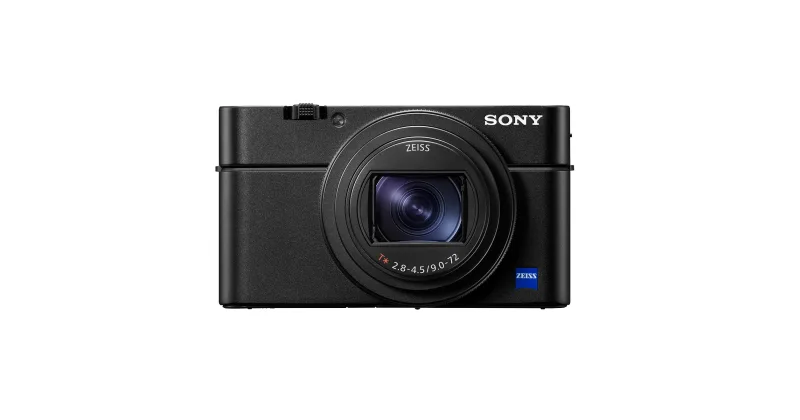 Sony RX100 VII (DSC-RX100M7)
8.8 out of 10
Check Price
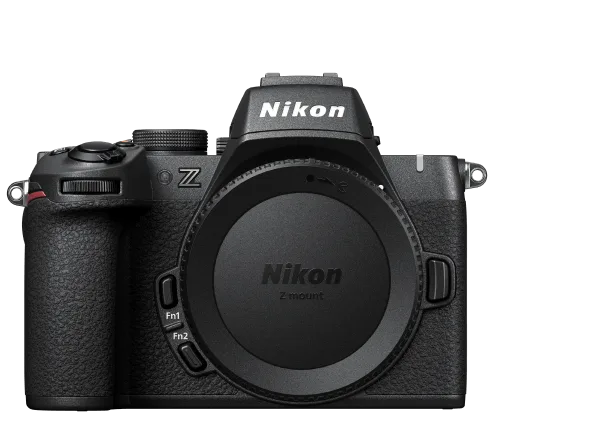 Nikon Z50 II
8.7 out of 10
Check Price
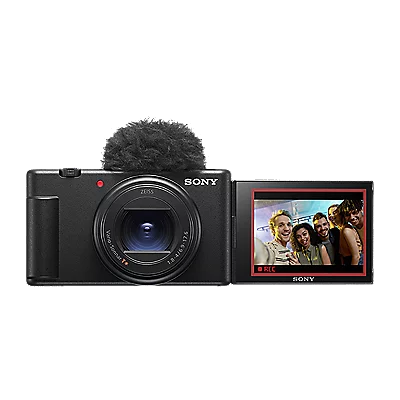 Sony ZV-1 II
8.6 out of 10
Check Price
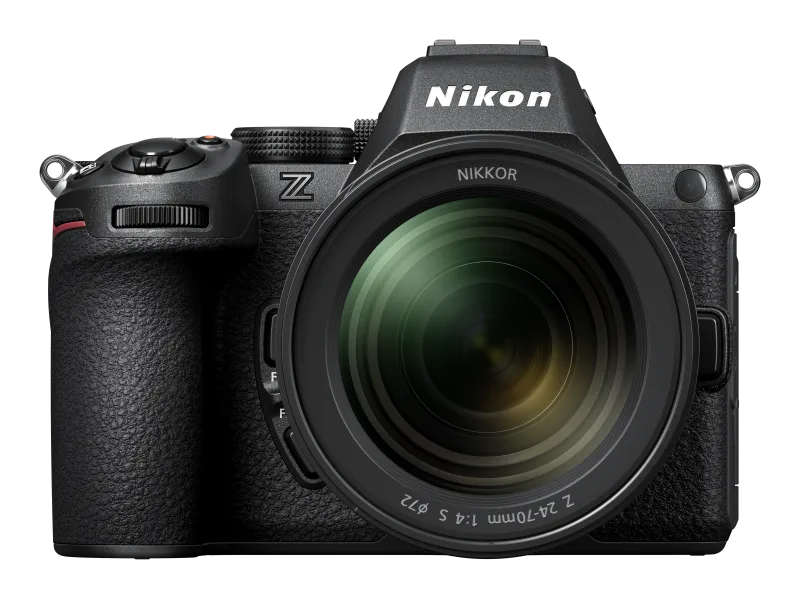 Nikon Z5II
8.5 out of 10
Check Price
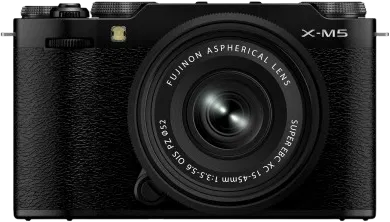 Fujifilm X-M5
8.3 out of 10
Check Price
Kodak PIXPRO FZ45Best Budget
8.2 out of 10
Check Price
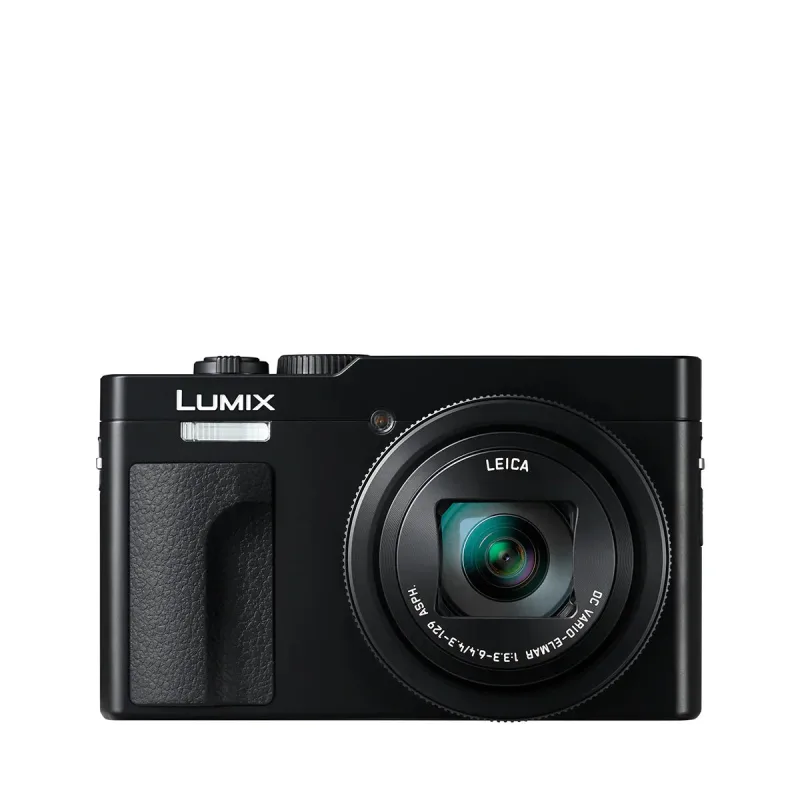 Panasonic Lumix ZS99 (DC-ZS99)
8.2 out of 10
Check Price
The Canon EOS R100 (8.9) beats the Fujifilm X-T50 (8.8) because it leaves owners a little happier.
The cheapest way into interchangeable lenses here: a 24.1MP APS-C body with a viewfinder and Canon's easy autofocus. It leaves out the extras to keep the cost down.
Each bar shows its place in this guide, so a full bar is 1st of 10. How happy owners are counts for most of the score.
The top-end APS-C pick for shooters who want dials and a viewfinder: a 40.2MP sensor, in-body stabilization and a Film Simulation dial in a compact body.
Each bar shows its place in this guide, so a full bar is 1st of 10. How happy owners are counts for most of the score.
The pocket camera that does almost everything: a 1-inch sensor, a 24-200mm zoom and a pop-up viewfinder in a body about the weight of a phone.
Each bar shows its place in this guide, so a full bar is 1st of 10. How happy owners are counts for most of the score.
The beginner mirrorless pick that reviewers favor: a 20.9MP APS-C body with subject-detection autofocus, a viewfinder and a screen that flips for selfies.
Each bar shows its place in this guide, so a full bar is 1st of 10. How happy owners are counts for most of the score.
A pocket camera with a 1-inch sensor and a very wide zoom lens, built for selfies, vlogs and travel video. It trades a viewfinder for a flip-out screen and a mic input.
Each bar shows its place in this guide, so a full bar is 1st of 10. How happy owners are counts for most of the score.
The cheapest way into full-frame here: a 24.5MP body with in-body stabilization, subject-detection autofocus and a viewfinder. It suits beginners who want a bigger sensor and plan to keep it for years.
Each bar shows its place in this guide, so a full bar is 1st of 10. How happy owners are counts for most of the score.
A simple fixed wide-angle 1-inch compact for people who mostly shoot themselves and friends. It is easy to use and has no zoom to think about.
Each bar shows its place in this guide, so a full bar is 1st of 10. How happy owners are counts for most of the score.
The lightest interchangeable-lens Fujifilm: a 26.1MP APS-C body with film-look color straight from the camera. It suits beginners who want good JPEGs and to grow into lenses.
Each bar shows its place in this guide, so a full bar is 1st of 10. How happy owners are counts for most of the score.
A basic point-and-shoot for first cameras, kids and trips where a phone is risky. It is the cheapest here and runs on ordinary AA batteries.
Each bar shows its place in this guide, so a full bar is 1st of 10. How happy owners are counts for most of the score.
The long-zoom travel camera: 30x optical zoom from wide angle to distant subjects in a pocket body. It trades sensor size for reach.
Each bar shows its place in this guide, so a full bar is 1st of 10. How happy owners are counts for most of the score.
For the simplest start, a compact such as the Kodak PIXPRO FZ45 or Sony ZV-1F has few settings and fits a pocket. For better photos and room to grow, a beginner mirrorless body such as the Nikon Z50 II, Fujifilm X-M5 or Canon EOS R100 has a larger sensor and swappable lenses. Pick the one you will actually carry.
Recent flagship phones match small-sensor compacts in good light, and they process photos for you. A camera pulls ahead with a larger sensor (1-inch or APS-C) for cleaner low-light shots, a real optical zoom for distant subjects and better handling. A cheap 1/2.3-inch compact often does not beat a recent phone, except for its zoom.
12 to 24 megapixels is plenty for prints up to poster size and for screens. More helps only if you crop heavily, as the 40.2MP Fujifilm X-T50 allows. Sensor size matters more: a 20MP 1-inch sensor beats a 20MP 1/2.3-inch one in dim light.
A point-and-shoot has a fixed lens, a small body and simple controls. A mirrorless camera has a larger sensor and interchangeable lenses, and it usually has a viewfinder. Mirrorless gives better low-light results and more control, but the body is bigger and each lens adds to the cost, often as much as the body.
For family photos and travel scenes, 3x to 4x is enough, and a 24-200mm lens such as the Sony RX100 VII's covers most of it. For wildlife, sports or concerts, a 30x lens like the Panasonic ZS99's reaches farther. Ignore digital zoom: it crops the image and loses detail, so judge a camera by its optical zoom only.
Not for casual travel and family photos: a good fixed-lens compact is cheaper, lighter and has no lenses to buy. Choose interchangeable lenses if you want shallow background blur, sports or wildlife telephoto, or a camera that lasts years. Buy cameras from authorized US sellers, since most come with a one-year US manufacturer warranty, and imports and gray-market units may not be covered.
Every score here comes from our ranking model; no editor sets the order. We haven't read the review sites for this guide yet, so for now it is led by owners. It ranks products by how happy owners are, holding back any product few owners have rated until more agree. How many rated it and how new it is only settle close calls, and value for money earns its own badge rather than a higher place. We compared 18 models for this guide before settling on these ten.
Brands can't pay to be included or to move up. We last checked these picks in November 2026.
How we rank, in fullThe cheapest way into interchangeable lenses here: a 24.1MP APS-C body with a viewfinder and Canon's easy autofocus. 8.9 out of 10.