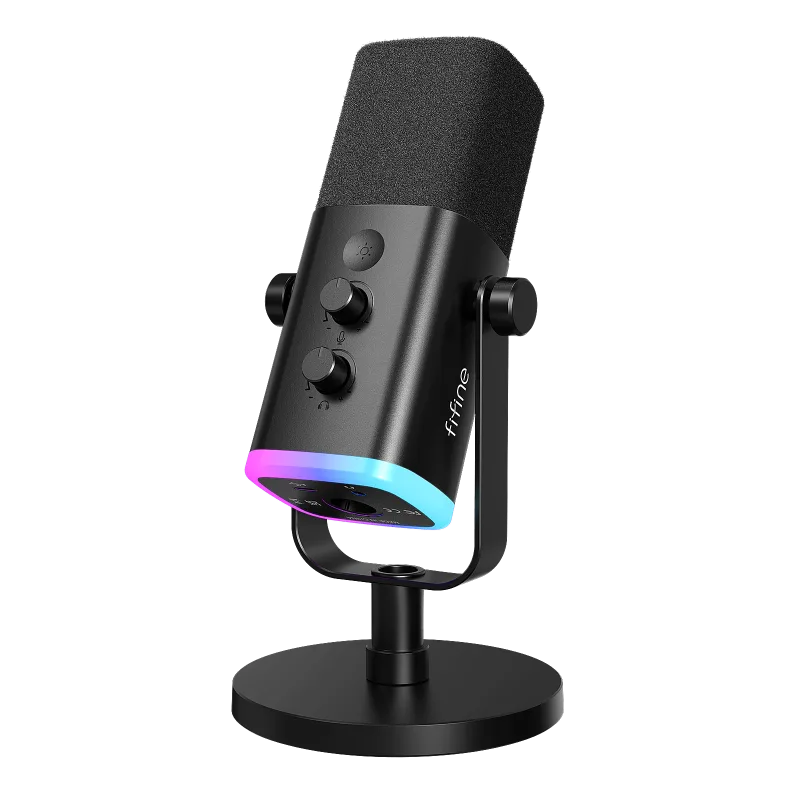
FIFINE AmpliGame AM8 USB/XLR Dynamic Microphone
A budget dynamic mic with USB and XLR connections, RGB lighting and on-mic controls.
Check Price on Amazon Read the full reviewOur verdict: The best USB microphone in 2027 is the FIFINE AmpliGame AM8 USB/XLR Dynamic Microphone. It tops our ranking with 9.2 out of 10.
A budget dynamic mic with USB and XLR connections, RGB lighting and on-mic controls.
Check Price on Amazon Read the full review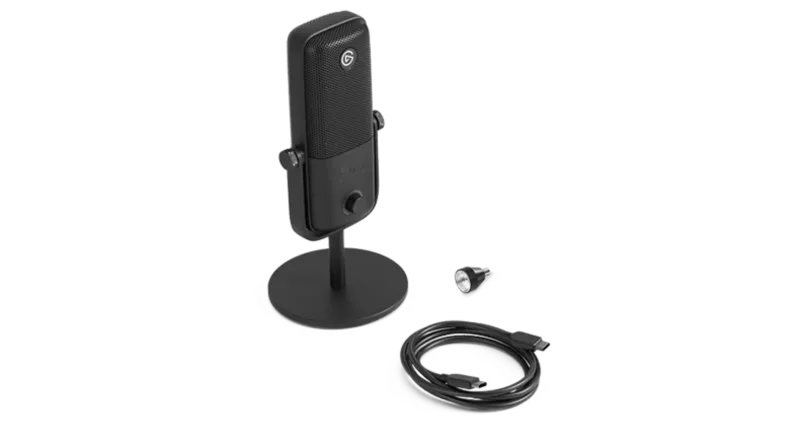
A streaming-focused cardioid condenser built around Elgato's Wave Link mixer.
Check Price on Amazon Read the full review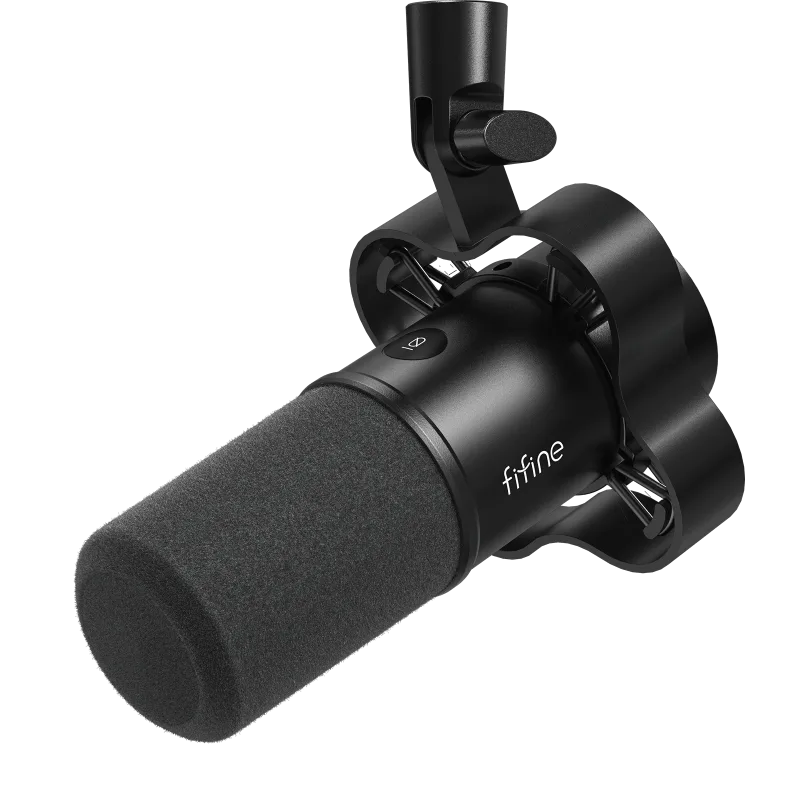
An all-metal dynamic mic for podcasts and voiceover with USB and XLR connections.
Check Price on Amazon Read the full review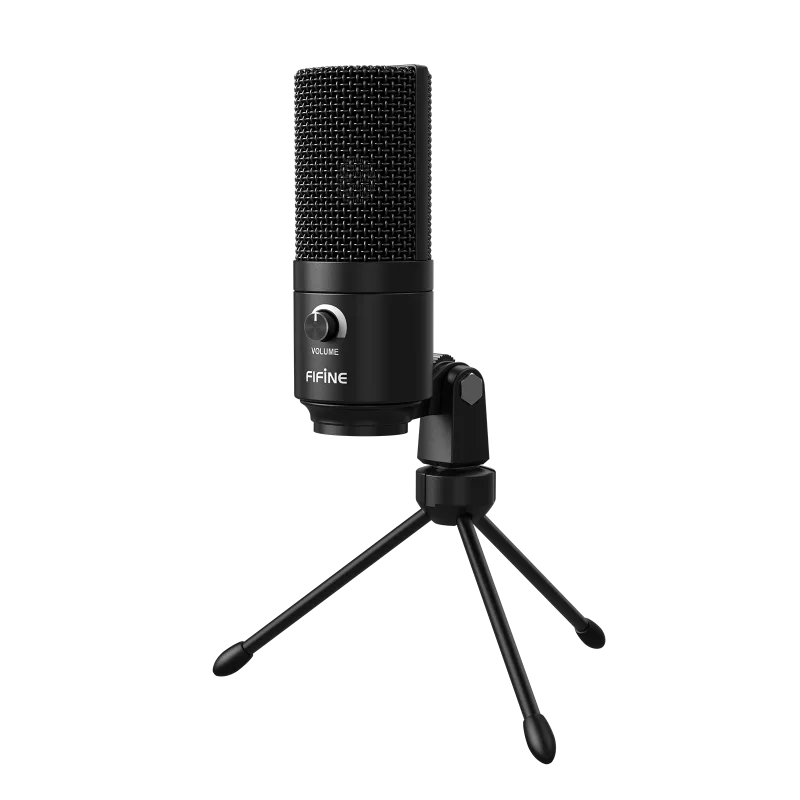
A cheap metal-bodied cardioid condenser that plugs straight into a computer.
Check Price on Amazon Read the full reviewWe compared 20 USB microphones sold in the US and ranked ten by owner ratings. They range from three budget FIFINE models to RGB streaming mics, USB-and-XLR podcast dynamics and two Shure models with onboard controls. Every product links to its full review below.
FIFINE AmpliGame AM8 USB/XLR Dynamic MicrophoneBest Choice
9.2 out of 10
Check Price
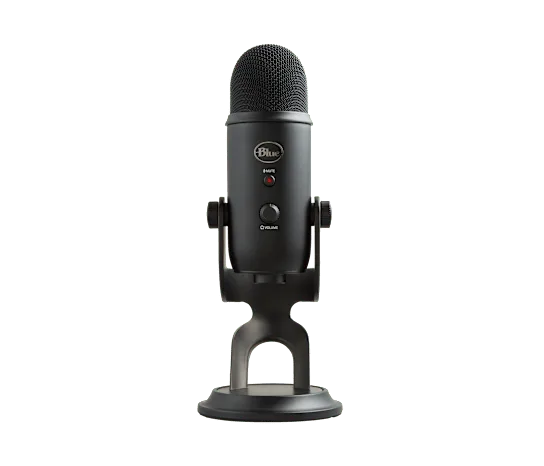 Logitech Blue Yeti USB Microphone
9.1 out of 10
Check Price
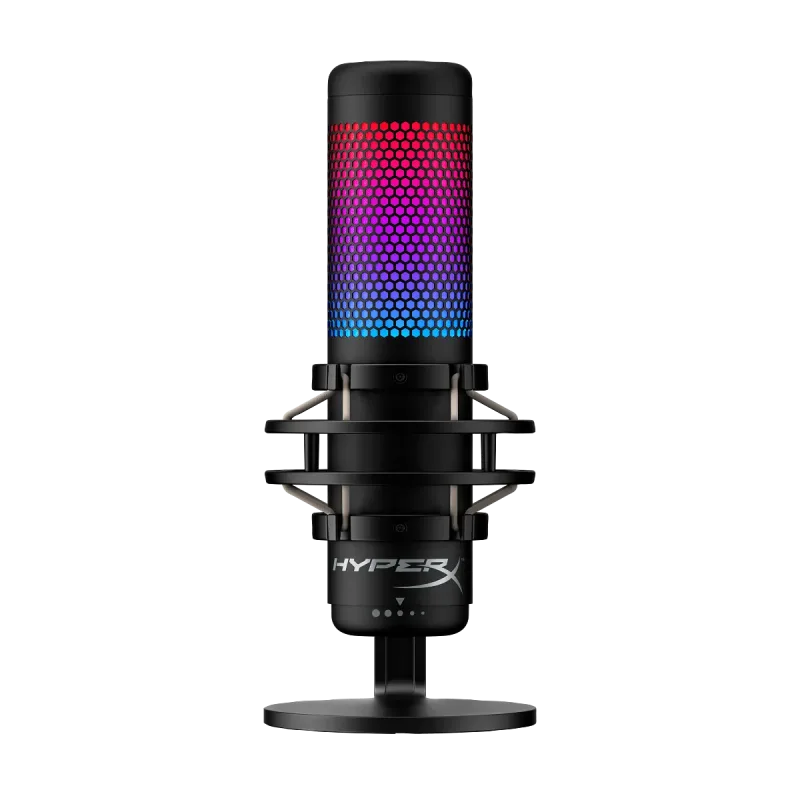 HyperX QuadCast S USB Microphone
9.1 out of 10
Check Price
FIFINE AmpliTank K688 Dynamic MicrophoneValue for Money
9.0 out of 10
Check Price
Elgato Wave:3 USB Condenser MicrophoneBest Premium
9.0 out of 10
Check Price
FIFINE K669B USB Condenser MicrophoneBest Budget
8.9 out of 10
Check Price
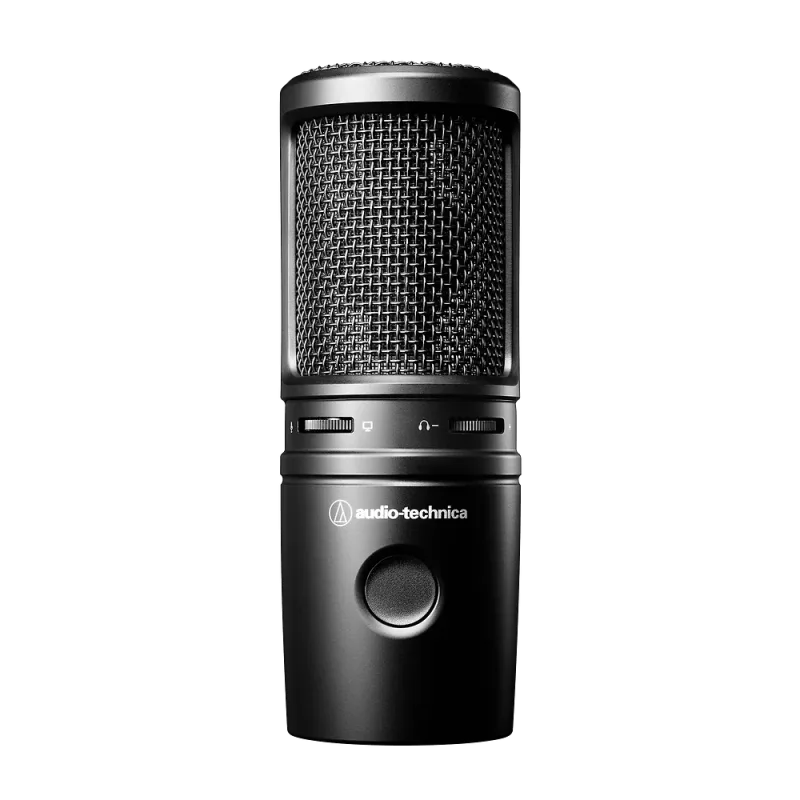 Audio-Technica AT2020USB-X Cardioid Condenser USB Microphone
8.9 out of 10
Check Price
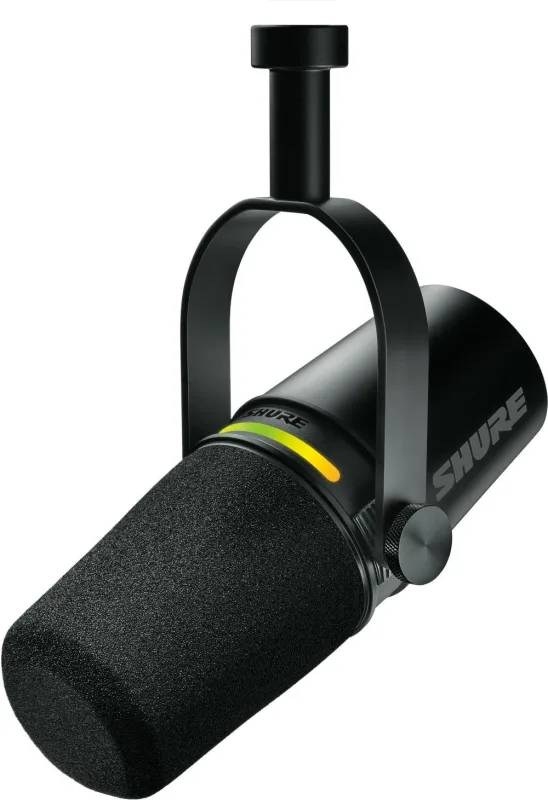 Shure MV7+ Podcast Microphone
8.8 out of 10
Check Price
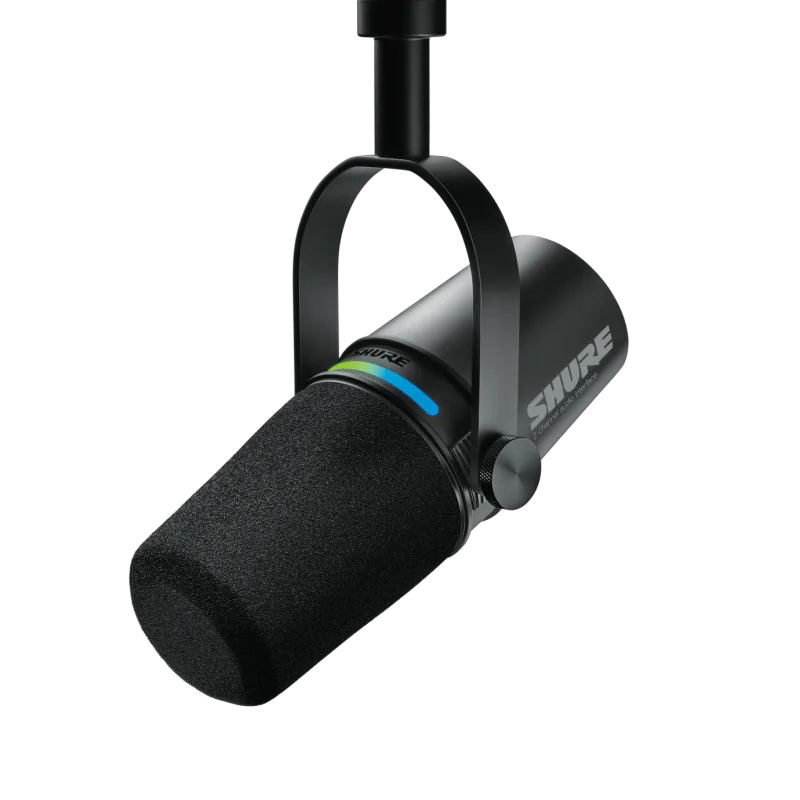 Shure MV7i Smart Microphone & Interface
8.4 out of 10
Check Price
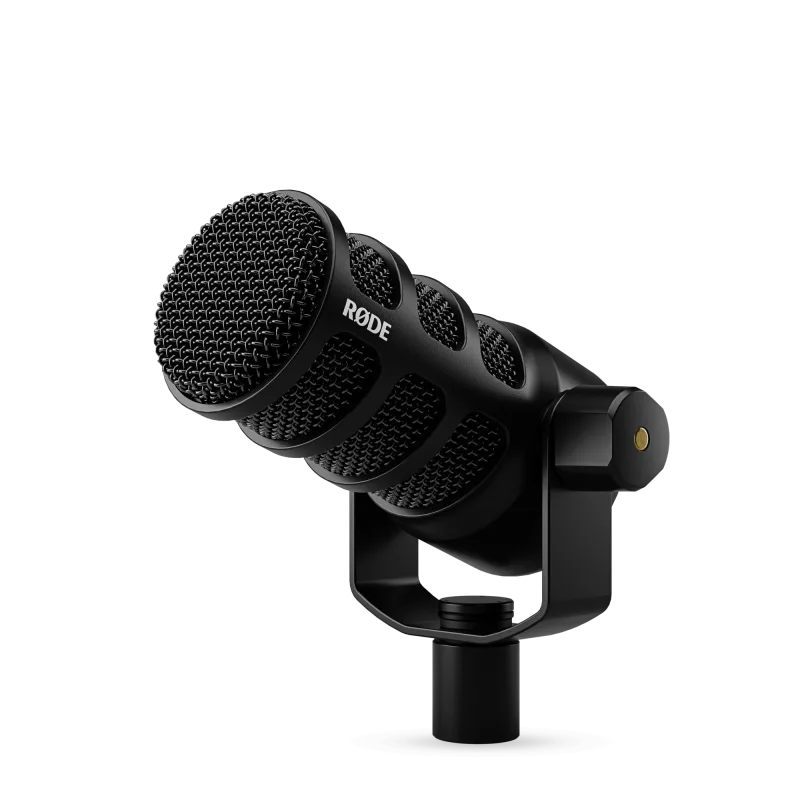 RODE PodMic USB
8.2 out of 10
Check Price
The FIFINE AmpliGame AM8 USB/XLR Dynamic Microphone (9.2) beats the Logitech Blue Yeti USB Microphone (9.1): owners are about as happy with both, and it is the newer design.
A budget dynamic mic with USB and XLR connections, RGB lighting and on-mic controls. It rejects room noise far better than a budget condenser.
Each bar shows its place in this guide, so a full bar is 1st of 10. How happy owners are counts for most of the score.
The long-running default USB condenser. Four pickup patterns and a front gain knob make it the easiest way to record a group around one mic.
Each bar shows its place in this guide, so a full bar is 1st of 10. How happy owners are counts for most of the score.
The RGB streaming mic with four pickup patterns and a tap-to-mute top. It works with PlayStation and the usual chat apps.
Each bar shows its place in this guide, so a full bar is 1st of 10. How happy owners are counts for most of the score.
An all-metal dynamic mic for podcasts and voiceover with USB and XLR connections. It adds a shock mount and boom-arm threads at a budget price.
Each bar shows its place in this guide, so a full bar is 1st of 10. How happy owners are counts for most of the score.
A streaming-focused cardioid condenser built around Elgato's Wave Link mixer. Clipguard keeps sudden loud peaks from distorting.
Each bar shows its place in this guide, so a full bar is 1st of 10. How happy owners are counts for most of the score.
A cheap metal-bodied cardioid condenser that plugs straight into a computer. It is a clear step up from a laptop or headset mic for calls and casual streaming.
Each bar shows its place in this guide, so a full bar is 1st of 10. How happy owners are counts for most of the score.
A studio-style cardioid condenser with a USB-C connection and a headphone jack. It suits a solo voice or instrument in a quiet room.
Each bar shows its place in this guide, so a full bar is 1st of 10. How happy owners are counts for most of the score.
A broadcast-style dynamic mic with both USB-C and XLR outputs. It rejects room noise well and suits a solo voice in an untreated room.
Each bar shows its place in this guide, so a full bar is 1st of 10. How happy owners are counts for most of the score.
A dynamic mic with a built-in interface that adds a combo XLR and quarter-inch input. It suits a host who wants to bring a guest mic or an instrument.
Each bar shows its place in this guide, so a full bar is 1st of 10. How happy owners are counts for most of the score.
A dynamic broadcast mic with USB-C and XLR. It is built for spoken word and comes with an external pop filter.
Each bar shows its place in this guide, so a full bar is 1st of 10. How happy owners are counts for most of the score.
Yes. A USB mic plugs straight into a computer, has its own analog-to-digital converter, and sounds clearly better than a laptop or headset mic. For a solo or two-person show, a USB dynamic such as the FIFINE AM8 or Shure MV7+ covers most needs. If you may add guests or an audio interface later, pick a model with XLR output too.
Condensers such as the Blue Yeti and Elgato Wave:3 are more sensitive and capture detail, but they also pick up keyboard clatter and room echo. Dynamics such as the Shure MV7+ and Rode PodMic USB reject background sound and suit untreated rooms, though you need to speak close to them. Choose a condenser for a quiet room or a group, a dynamic for a noisy one.
Either connection works with a computer, but check the cable. The MV7+, Wave:3 and PodMic USB use USB-C at the mic end, and the Blue Yeti uses an older mini-USB plug, so each needs the right cable or adapter for your port. USB-C mics are easier to use with an Android phone, tablet or recent iPhone, and some models still need a separate cable for that. Cable length varies, so check the listing.
Cardioid picks up sound from the front and rejects the sides and rear, which suits one person speaking or singing. Bidirectional picks up front and back for a two-person interview, omnidirectional picks up the whole room, and stereo records left and right. Most mics here are cardioid only. The Blue Yeti and HyperX QuadCast S offer all four, which helps for groups.
A pop filter softens plosive sounds like p and b and helps most with condensers and close speaking. The Rode PodMic USB includes one, and the MV7+ has a digital one. A boom arm frees desk space and cuts desk vibration, and it suits the heavier dynamics such as the PodMic USB and MV7+. A shock mount helps with bumps and thumps, and the QuadCast S and K688 include one.
Plug-and-play USB mics work on Windows and Mac with no driver, and most also work with PlayStation. Xbox does not allow most third-party USB mics, and FIFINE says its K669B and K688 do not work with it. For phones and tablets you need a USB-C or Lightning adapter cable, and the Shure MV7i does not work with iPhones and iPads that have Lightning ports. Companion software such as HyperX Ngenuity is Windows only, so check before you buy.
Every score here comes from our ranking model; no editor sets the order. We haven't read the review sites for this guide yet, so for now it is led by owners. It ranks products by how happy owners are, holding back any product few owners have rated until more agree. How many rated it and how new it is only settle close calls, and value for money earns its own badge rather than a higher place. We compared 20 models for this guide before settling on these ten.
Brands can't pay to be included or to move up. We last checked these picks in November 2026.
How we rank, in fullA budget dynamic mic with USB and XLR connections, RGB lighting and on-mic controls. 9.2 out of 10.