vetted ten.

Blue Yeti review

No. 1 of 10 in our USB microphones ranking · Updated · How we rank

Our verdict: The best USB microphone in 2027 is the Blue Yeti. It tops our ranking with 9.1 out of 10.

Blue Yeti

Blue Yeti

9.1/10Best Choice

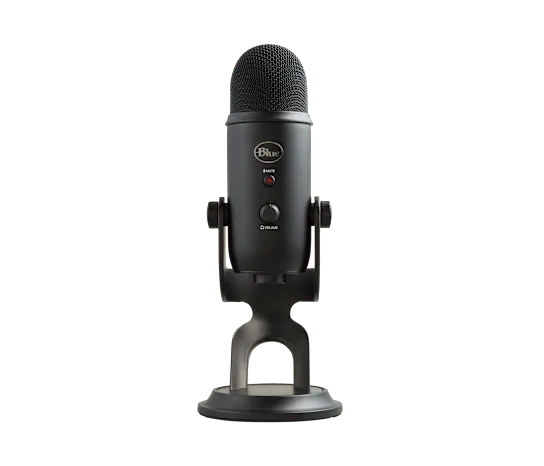
The Blue Yeti is a large USB desk microphone with three condenser capsules and four pickup patterns. It suits solo voice, group calls and interviews in a reasonably quiet room, and less well a noisy desk.

Check Price on Amazon

Why it's here

  • Four pickup patterns on a dial, from solo voice to a table of guests
  • Gain knob, mute button and a headphone jack on the body
  • Plug and play on PC and Mac with a stand and cable included
  • Blue VO!CE effects and EQ are optional rather than required

Keep in mind

  • As a condenser it hears keyboards, fans and a bare room clearly
  • Large and heavy, with a stand that takes up desk space
  • Blue VO!CE needs Logitech's G HUB software
Why the Blue Yeti scores 9.1

Each bar shows where it places among the 10 USB microphones in this guide, so a full bar is 1st of 10. How happy owners are counts for most of the score.

  • How happy owners are1st of 10
  • How many rated it1st of 10
  • How new it is7th of 10

Why No. 1 beats No. 2

The Blue Yeti (9.1) edges the RØDE NT-USB Mini (9.0) on the balance of all three parts.

About the Blue Yeti

The Yeti is a USB condenser microphone built around a three-capsule array, mounted in an internal shockmount. A dial on the body switches between cardioid, omnidirectional, bidirectional and stereo pickup. Cardioid picks up the person in front of it, and is the usual choice for voice-overs and podcasts. Omnidirectional suits a table of people. Bidirectional suits a two-person interview. Stereo suits music and ambience.

It connects over USB and needs no drivers for basic use on PC and Mac. The body has a gain control, an instant mute button and a headphone output for latency-free monitoring. It comes with a USB cable and a desktop stand, and it can also go on a boom arm.

Blue VO!CE voice effects and EQ are optional. They need Logitech's free G HUB software, so the mic works without it. Logitech bought Blue Microphones in 2018, and the Yeti now sits in Logitech G's range.

What owners report about the Blue Yeti

Owners like the sound and the simple set-up. The four patterns are the main draw, and the metal build and heavy base come across as solid. One UK owner describes the tone as rich and warm.

The most common complaint is sensitivity. The Yeti hears keyboards, mouse clicks, PC fans and knocks on the desk, and owners in forum threads say it can pick up typing louder than their voice. The fixes they suggest are to keep the mic in front of the keyboard, set the gain low, switch to cardioid, and use a boom arm with a shockmount. Even then, keyboard clicks can be hard to remove completely.

Smaller points come up too. Plosive sounds pop without a pop filter, the desk stand passes vibration into the mic, and the mic is big and takes up desk space. One UK owner found the mute button sometimes needed several presses. There is little owner feedback on long-term durability for this model.

Who the Blue Yeti suits

The Yeti suits people who want one mic for different jobs: solo voice, a call with several people in the room, an interview, or an acoustic instrument. It works best in a quiet room with a boom arm or a spare spot on the desk.

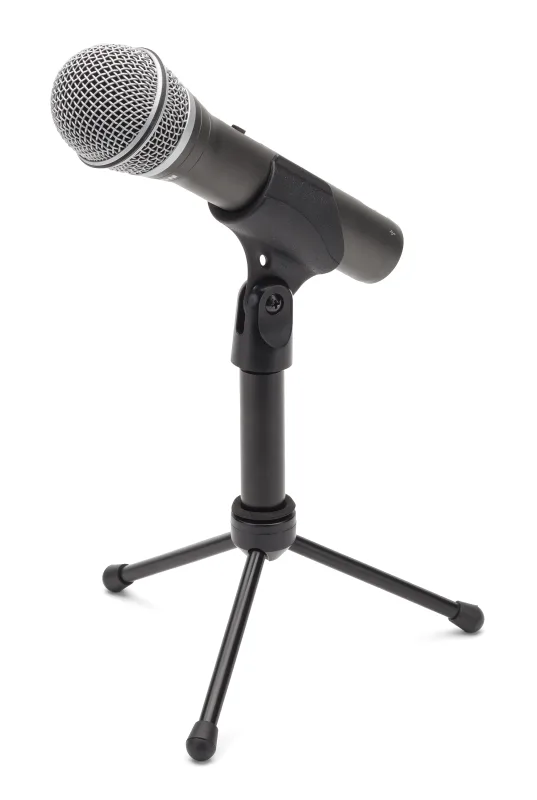
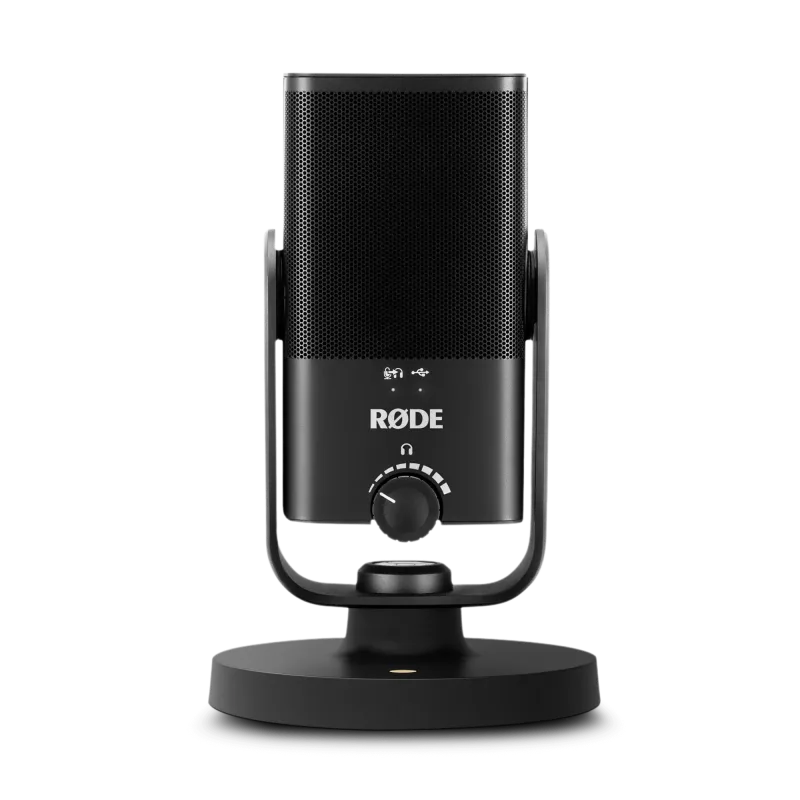
Look elsewhere if you type loudly while recording or your room is untreated. A dynamic mic such as the RØDE PodMic USB or the Samson Q2U hears much less of the room. For a smaller, lighter desk mic, the RØDE NT-USB Mini is the better fit.

Questions about the Blue Yeti

What is a Blue Yeti good for?

Podcasts, streaming, calls, interviews and voice-overs. Its four pickup patterns also let it record a group around a table or an acoustic instrument.

Is the Blue Yeti a bad mic?

No, owners like the sound and the easy set-up. The common complaint is that it picks up keyboards, fans and room noise, so it suits a quiet space best.

Was Blue Yeti always Logitech?

No. Blue Microphones created the Yeti, and Logitech announced it was buying Blue in July 2018. The Yeti now sits in Logitech G's range.

Do you need software to use the Blue Yeti?

No. It works over USB without drivers for basic use. The Blue VO!CE effects need Logitech's free G HUB software.

Other USB microphone picks

The other badge winners in our USB microphones ranking.

All 10 USB microphones, compared

  1. 1 Blue YetiThis reviewBest Choice 9.1 out of 10 Check Price
  2. 2 RØDE NT-USB Mini 9.0 out of 10 Check Price
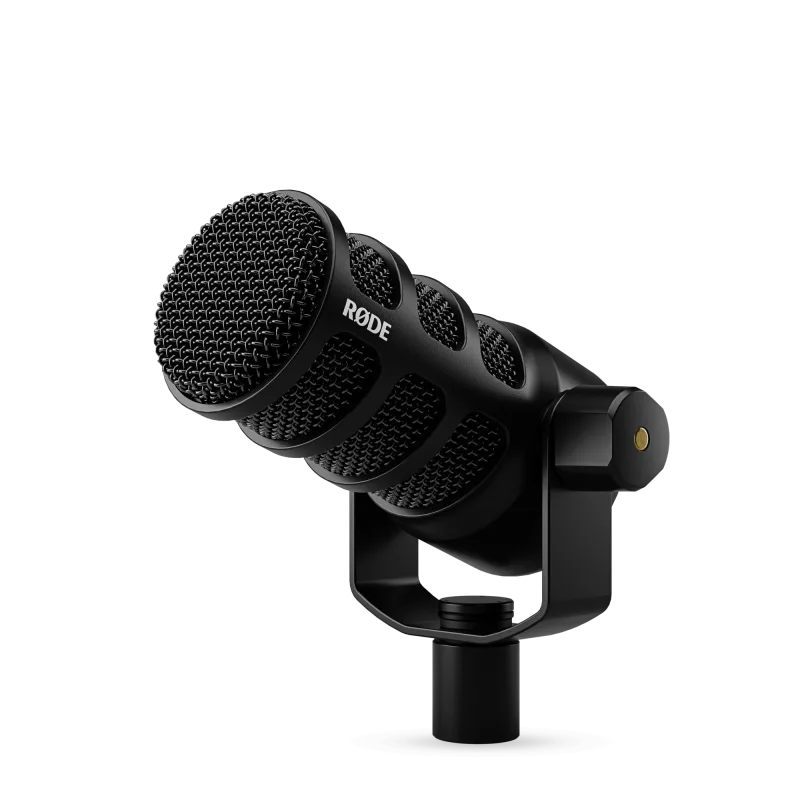
  3. 3 RØDE PodMic USBBest Premium 9.0 out of 10 Check Price
  4. 4 Samson Q2UValue for Money 8.9 out of 10 Check Price
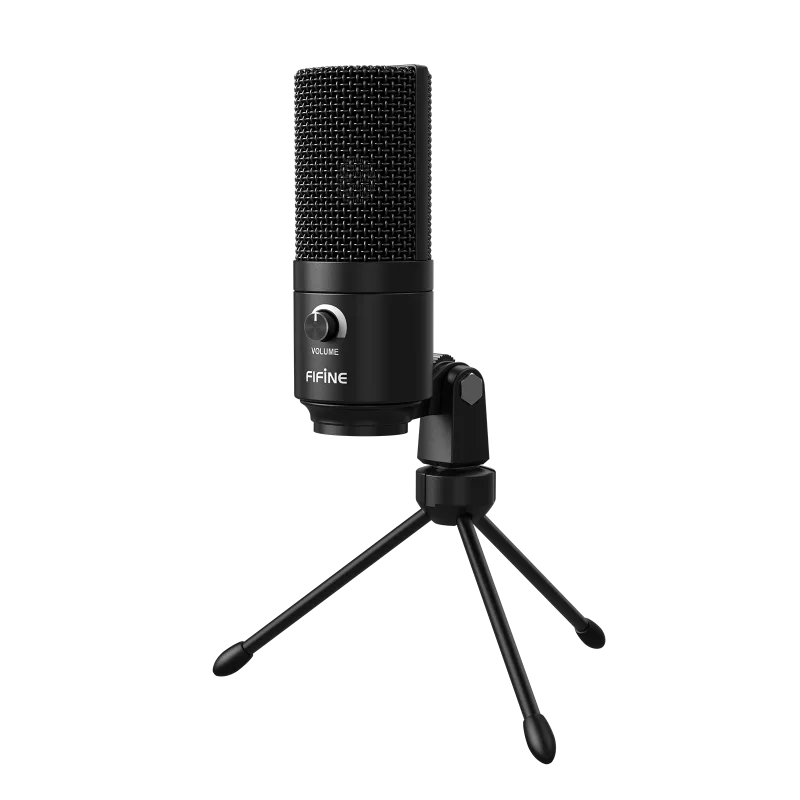
  5. 5 FIFINE K669B USB Condenser MicrophoneBest Budget 8.9 out of 10 Check Price
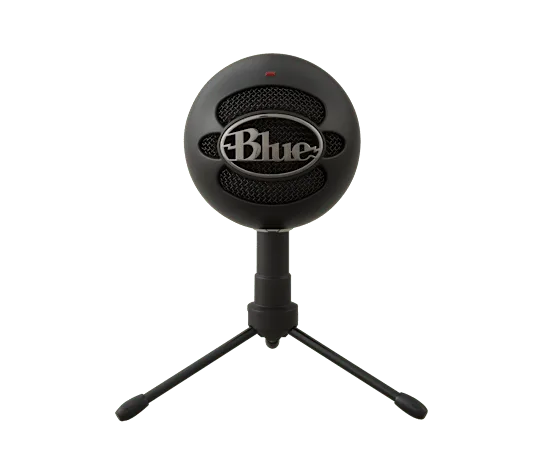
  6. 6 Blue Snowball iCE 8.9 out of 10 Check Price
  7. 7 Shure MV7+ 8.9 out of 10 Check Price
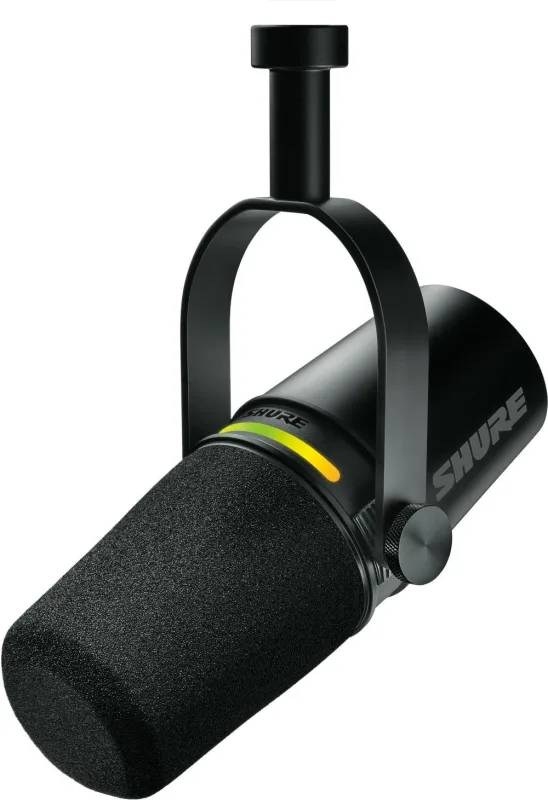
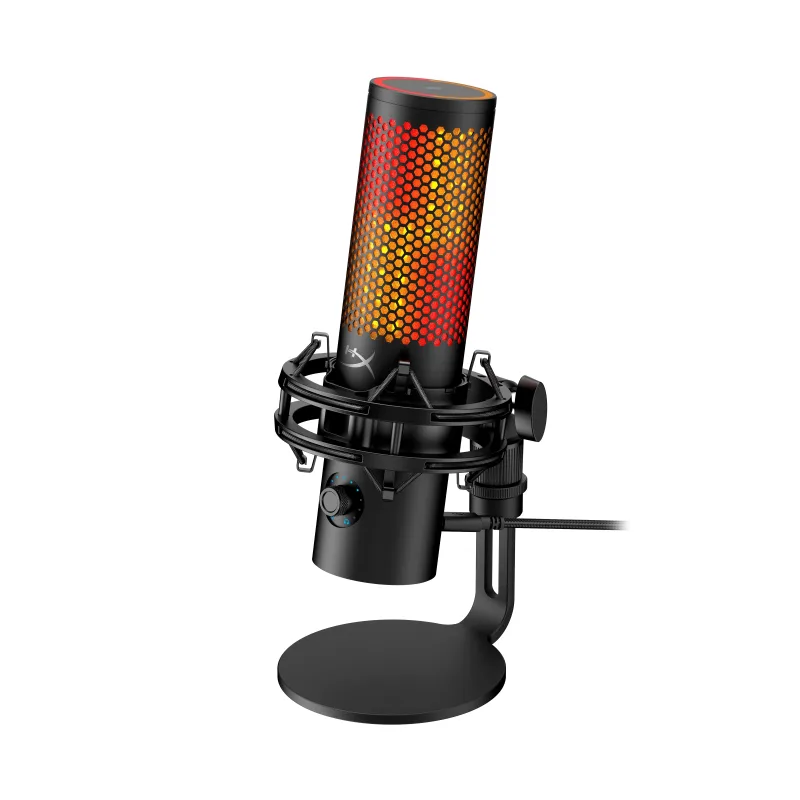
  8. 8 HyperX QuadCast 2 S 8.6 out of 10 Check Price
  9. 9 Shure MV7i 8.6 out of 10 Check Price
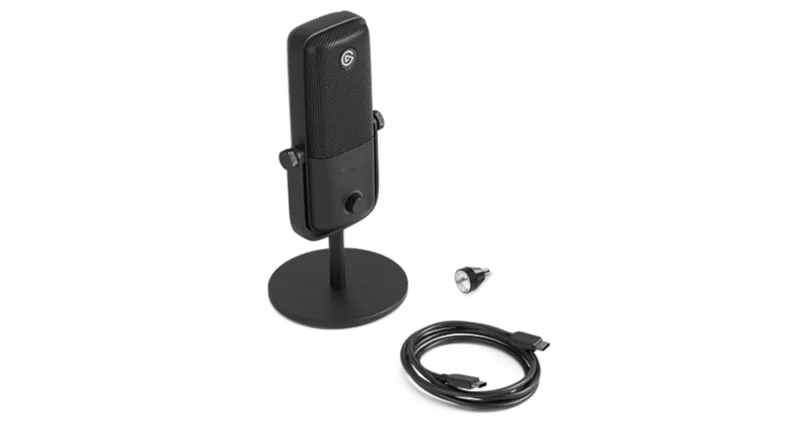
  10. 10 Elgato Wave:3 MK.2 8.6 out of 10 Check Price
See the full USB microphones ranking

The Blue Yeti on Amazon

Blue Yeti

The Blue Yeti is a large USB desk microphone with three condenser capsules and four pickup patterns. 9.1 out of 10.

Check Price on Amazon

How we score it

Every score here comes from our ranking model; no editor sets the order. We haven't read the review sites for this guide yet, so for now it is led by owners. It ranks products by how happy owners are, holding back any product few owners have rated until more agree. How many rated it and how new it is only settle close calls, and value for money earns its own badge rather than a higher place. We compared 15 models for this guide before settling on these ten.

Brands can't pay to be included or to move up. We last checked these picks in November 2026.

How we rank, in full