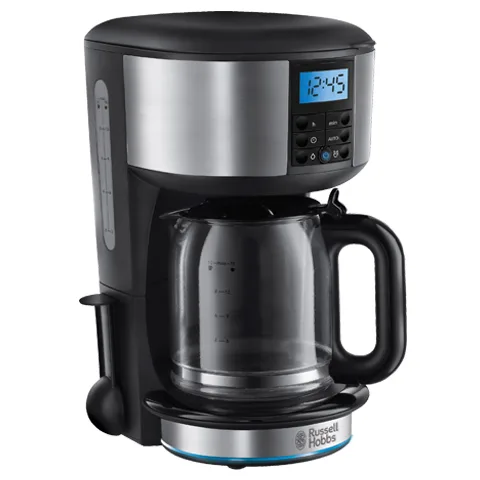
Russell Hobbs Buckingham 20680
A long-running budget glass-jug machine with a 24-hour timer and a permanent filter.
Check Price on AmazonOur verdict: The best filter coffee machine in 2026 is the Russell Hobbs Buckingham 20680. It tops our ranking with 9.2 out of 10.
A long-running budget glass-jug machine with a 24-hour timer and a permanent filter.
Check Price on Amazon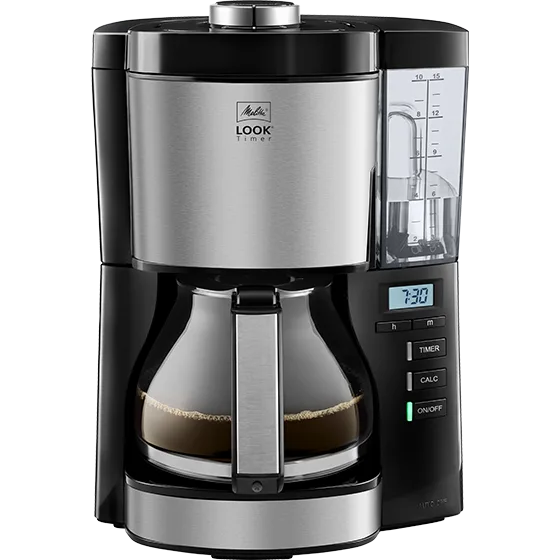
A mid-priced glass-jug machine with a 24-hour timer and a removable 1.25L tank.
Check Price on AmazonA recent budget machine with a 1.25L jug, a permanent filter and a drip-stop.
Check Price on Amazon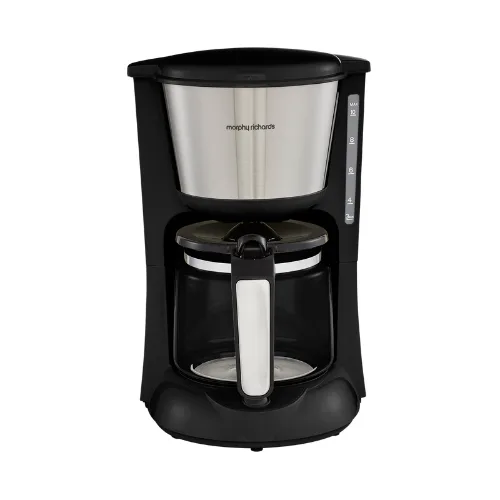
A compact, light 1.2L machine with a reusable filter and drip-stop.
Check Price on AmazonRanked by our score out of 10. Every product links to its full review below.
Russell Hobbs Buckingham 20680Best Choice
9.2 out of 10
Check Price
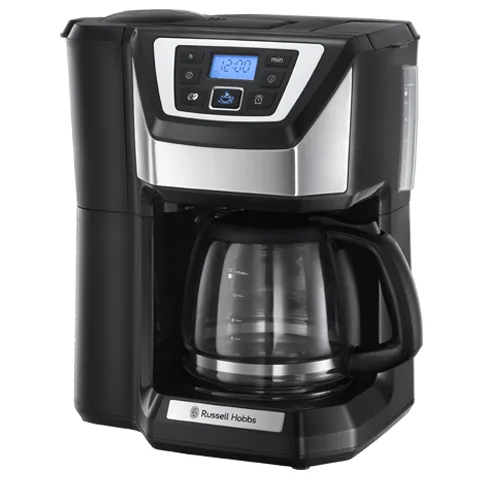 Russell Hobbs Chester Grind & Brew 22000
8.5 out of 10
Check Price
Morphy Richards Equip Filter Coffee Machine 162501Best Budget
8.3 out of 10
Check Price
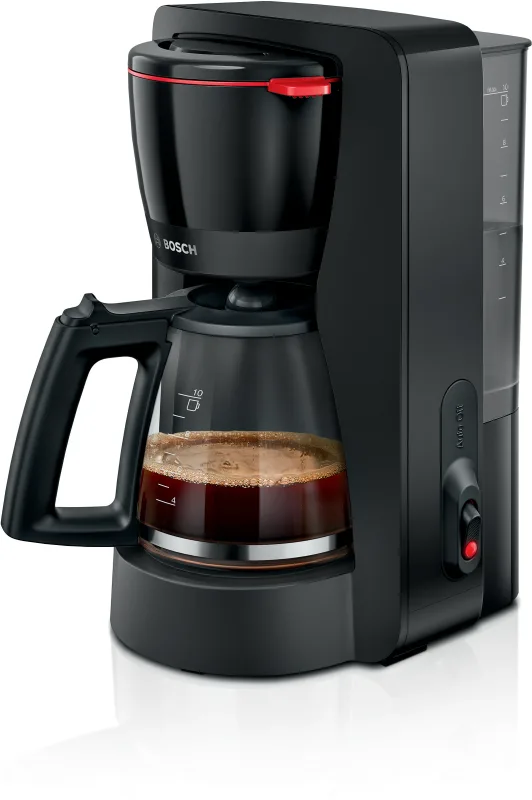 Bosch MyMoment TKA2M113GB
8.2 out of 10
Check Price
Melitta Look V Timer 6766591Best Premium
8.0 out of 10
Check Price
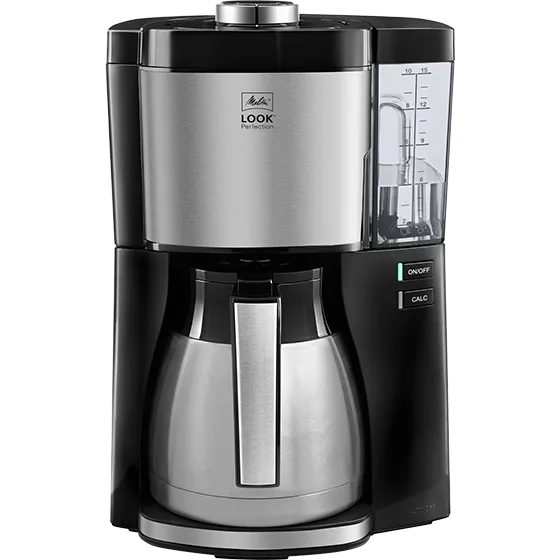 Melitta Look V Therm Perfection 6769050
7.9 out of 10
Check Price
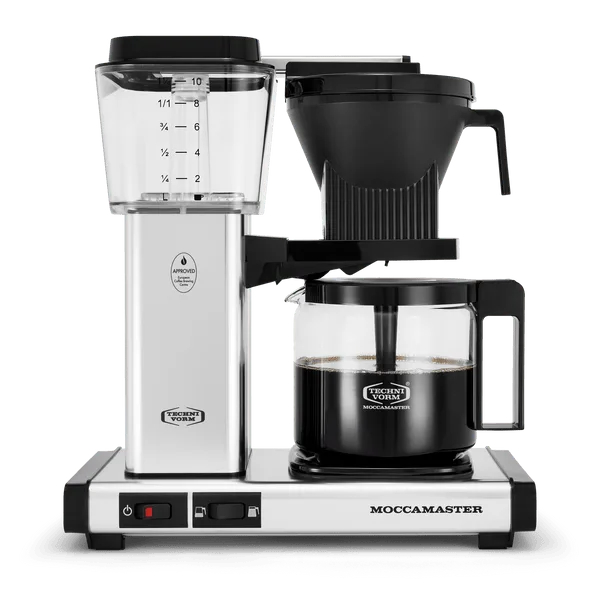 Technivorm Moccamaster KBG Select
7.3 out of 10
Check Price
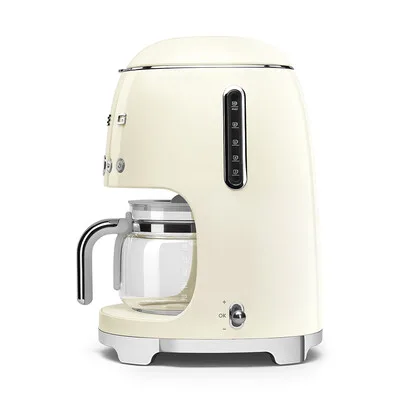 Smeg DCF02 Drip Filter Coffee Machine
7.2 out of 10
Check Price
A long-running budget glass-jug machine with a 24-hour timer and a permanent filter. Owners rate it highly for a plain, fast jug at a low price.
A budget grind-and-brew machine with a built-in grinder, a permanent filter and a 24-hour timer. It makes a drip brew from beans, not espresso.
A recent budget machine with a 1.25L jug, a permanent filter and a drip-stop. Plainly built, and sold in colours.
A compact, light 1.2L machine with a reusable filter and drip-stop. It suits one or two drinkers and a small worktop.
A plain, cheap 1.4L filter machine with a removable tank and a drip-stop. No timer, no frills.
A mid-priced glass-jug machine with a 24-hour timer and a removable 1.25L tank. It takes standard size 1x4 paper filters and brews a steady, unfussy jug.
A mid-priced thermal-jug machine with an aroma strength dial and automatic descaling reminders.
A plain glass-jug machine with a 1.25L tank, an aroma selector and a drip-stop. It has no timer and owners rate it as a dependable everyday brewer.
A hand-built Dutch brewer with a copper heating element and a half-jug selector. It does one job, makes a full jug quickly, and owners keep it for years.
The retro-styled option, sold in a range of colours. It has an auto-start timer, an aroma intensity selector and a 1.4L tank for up to 10 cups.
For coffee drunk over an hour or more, yes. A thermal jug holds heat for several hours without a hotplate, so the coffee does not scorch or turn bitter. A glass jug lets you see the level and is lighter and cheaper, but the hotplate keeps cooking what is left. Glass suits a jug that is drunk within half an hour.
They are different drinks. Filter gives a milder, longer cup you can drink by the mug, and the machine needs no technique. Espresso is stronger and suits milk drinks, but needs a grinder and practice, or a bean-to-cup machine. Pod and bean-to-cup are the lower-effort alternatives; the hub at /kitchen/coffee-machines/ compares all four types.
The cups on the box are small, about 100 to 125ml, so a 10-cup machine makes roughly four to six mugs. A 1L to 1.25L machine suits one or two people, and a 1.5L to 1.8L machine suits a family drinking several mugs each. Smaller machines are lighter and fit under cupboards more easily, while larger ones are taller.
If you want coffee ready when you get up, yes. You fill the tank and basket the night before and the machine starts itself. Check how long the keep-warm lasts and that the machine switches off by itself: most hotplates stop after about 40 minutes. A timer adds a modest amount to the price of most models.
Use a medium grind, a little coarser than table salt, and about 60g per litre of water as a starting point. A flat-bottomed paper filter or a permanent mesh filter both work; mesh lets more oils through and gives a heavier cup. Buy filter or all-purpose grind, not espresso grind, which clogs the basket. Check the filter size your machine takes, usually 1x4 or a size 4 cone.
It saves you buying a separate grinder, and freshly ground beans taste better than pre-ground. The trade-offs are noise, more cleaning and a bigger machine. A grind-and-brew machine still makes drip coffee, which is what separates it from a bean-to-cup machine. If you want more control, a separate burr grinder and a simple brewer are the better route. Hard water also matters: descale every month or two in a hard-water area.
Every score here comes from our ranking model, not from anyone's opinion. It weighs owner ratings by how many there are, how recent they are and how reliable they look, then factors in value. We compared 19 models for this guide before settling on these ten.
Brands can't pay to be included or to move up. We last checked these picks in October 2026.
How we rank, in fullA long-running budget glass-jug machine with a 24-hour timer and a permanent filter. 9.2 out of 10.
Each type is ranked against its own kind. Which type suits you?